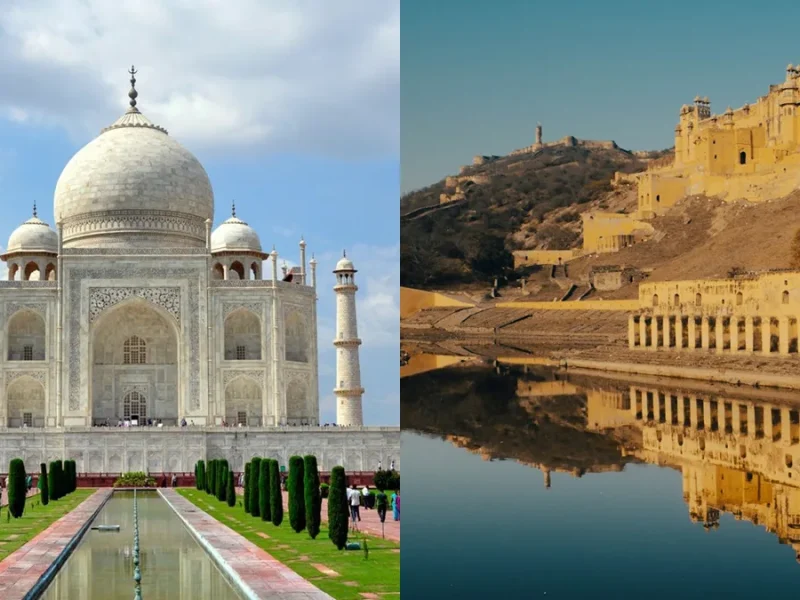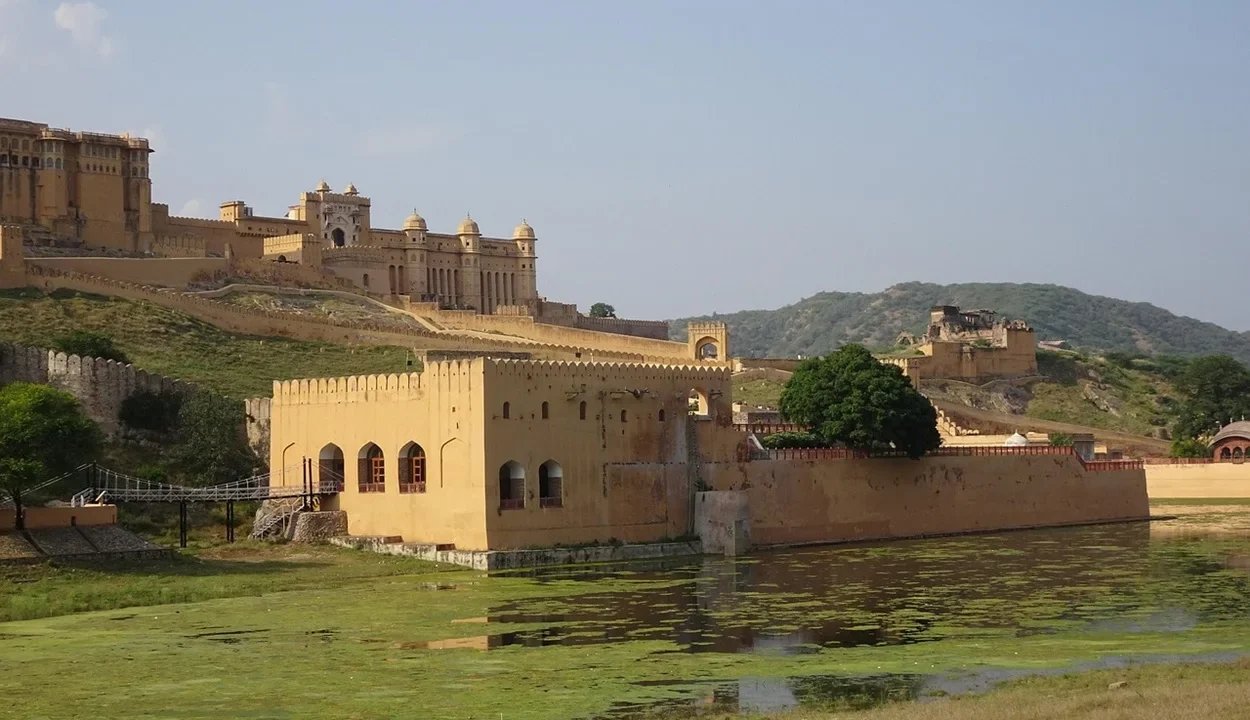
India’s history doesn’t just live in textbooks — it’s carved into hillside caves, standing in desert forts, and painted onto temple walls that are over a thousand years old. As of 2026, the country is home to 45 UNESCO World Heritage Sites, spanning cultural monuments, natural landscapes, and a handful of mixed sites that qualify as both. This guide walks through the most essential heritage places in India, organized by region, so whether you’ve got a week or a month, you can plan a route that actually makes sense geographically.
Quick Summary: Heritage Places in India
- Total UNESCO World Heritage Sites in India (2026): 45 — comprising 37 cultural, 7 natural, and 1 mixed site.
- Types of Heritage Sites: Cultural (forts, temples, palaces), Natural (national parks, biodiversity zones), and Mixed (sites recognized for both, like Khangchendzonga National Park).
- Top Heritage Circuits: The Golden Triangle (Delhi-Agra-Jaipur), the South India Temple Circuit, and the Central India UNESCO Circuit (Khajuraho, Sanchi, Bhimbetka).
Northern & Western India: Royal Palaces & Forts
1. Taj Mahal & Agra Fort, Uttar Pradesh
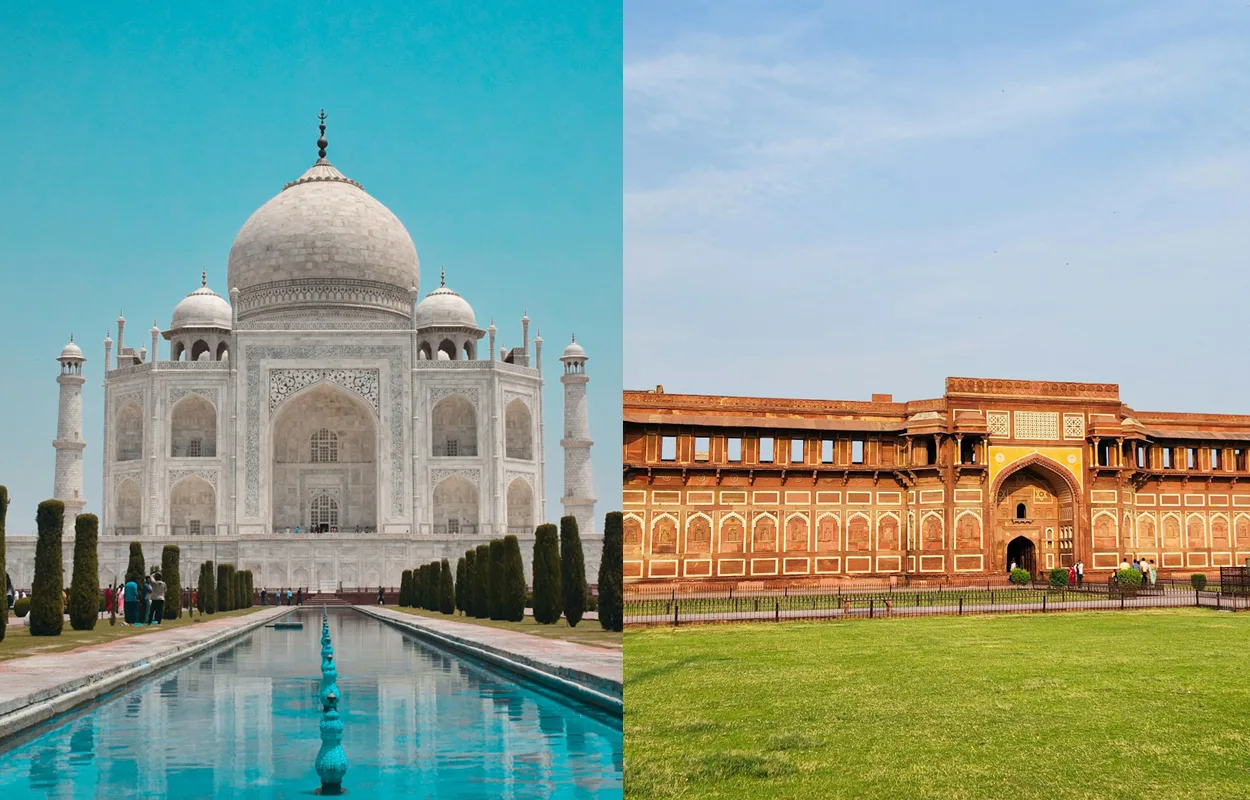
The Taj Mahal needs no introduction — a marble mausoleum built by Shah Jahan for his wife Mumtaz Mahal, and easily India’s most iconic monument. Just a few kilometers away, Agra Fort offers a different angle on Mughal history, with its massive red sandstone walls and views back toward the Taj across the river.
Best Time to Visit: October to March, ideally at sunrise when the marble takes on a soft pink-gold hue.
2. Amer Fort & the Hill Forts of Rajasthan (Jaipur, Chittorgarh, Jaisalmer)
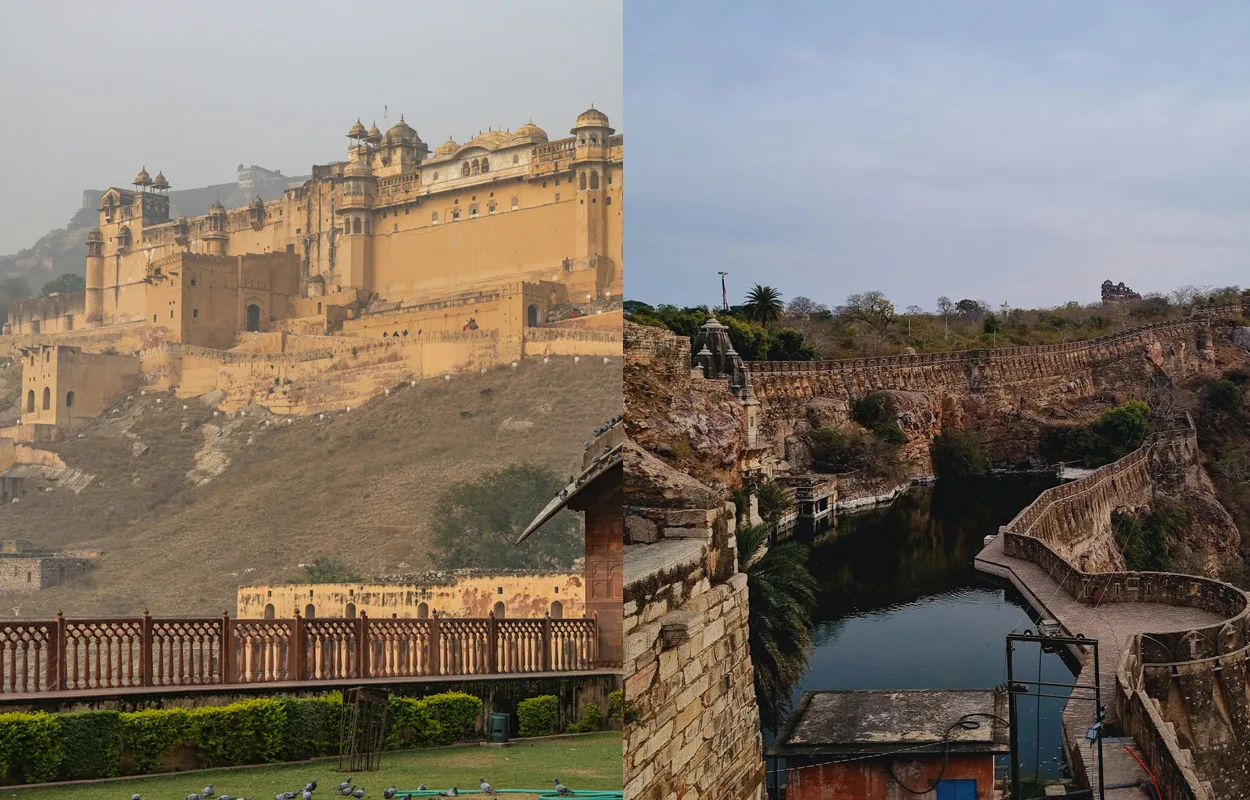
Rajasthan’s UNESCO-listed hill forts — including Amer Fort in Jaipur, Chittorgarh Fort, and Jaisalmer Fort — showcase the defensive engineering and architectural grandeur of Rajput dynasties. Each has its own character, from Amer’s mirrored Sheesh Mahal to Jaisalmer’s “living fort,” still inhabited by families within its walls.
Best Time to Visit: October to March, when desert heat has eased off enough for full days of exploring.
3. Ajanta & Ellora Caves, Maharashtra
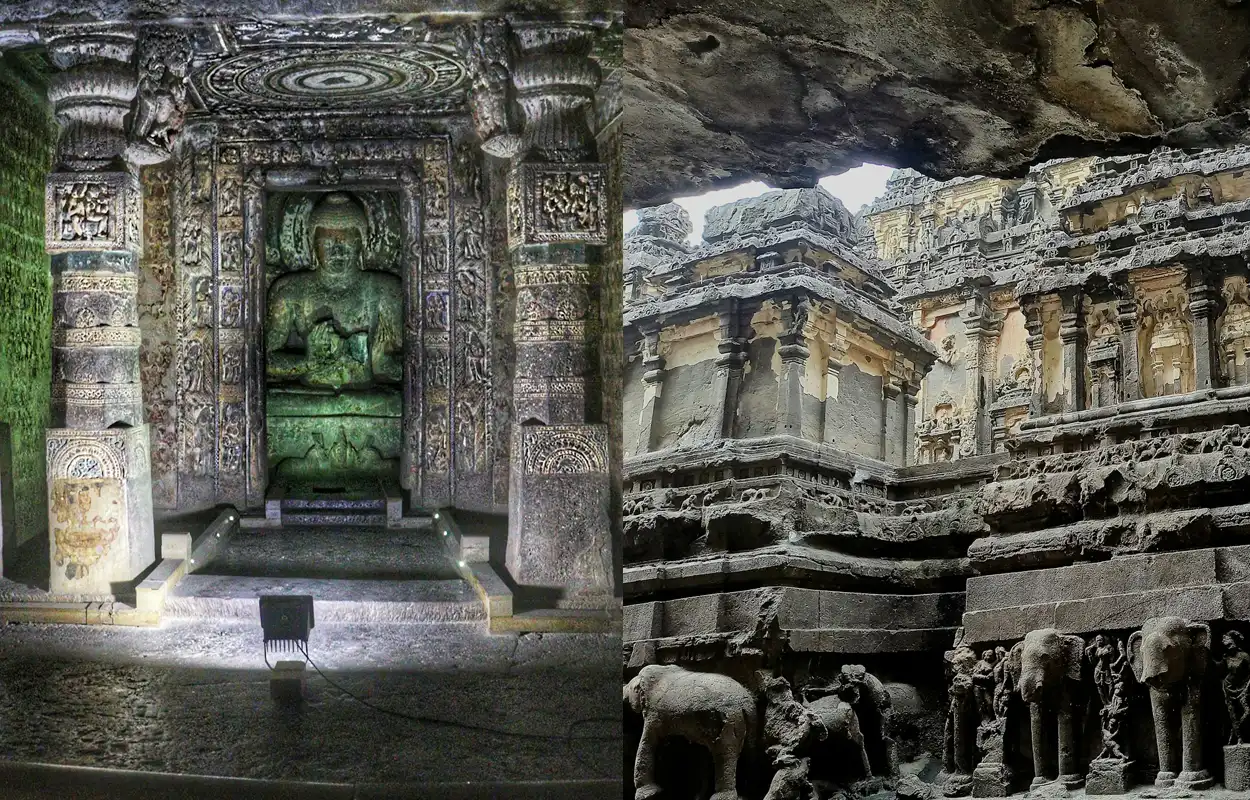
Two of India’s most remarkable rock-cut cave complexes — Ajanta preserves Buddhist paintings and monastery caves dating back over 2,000 years, while Ellora brings Buddhist, Hindu, and Jain monuments together in a single site, reflecting centuries of religious coexistence.
Best Time to Visit: October to March.
4. Qutub Minar & Humayun’s Tomb, Delhi
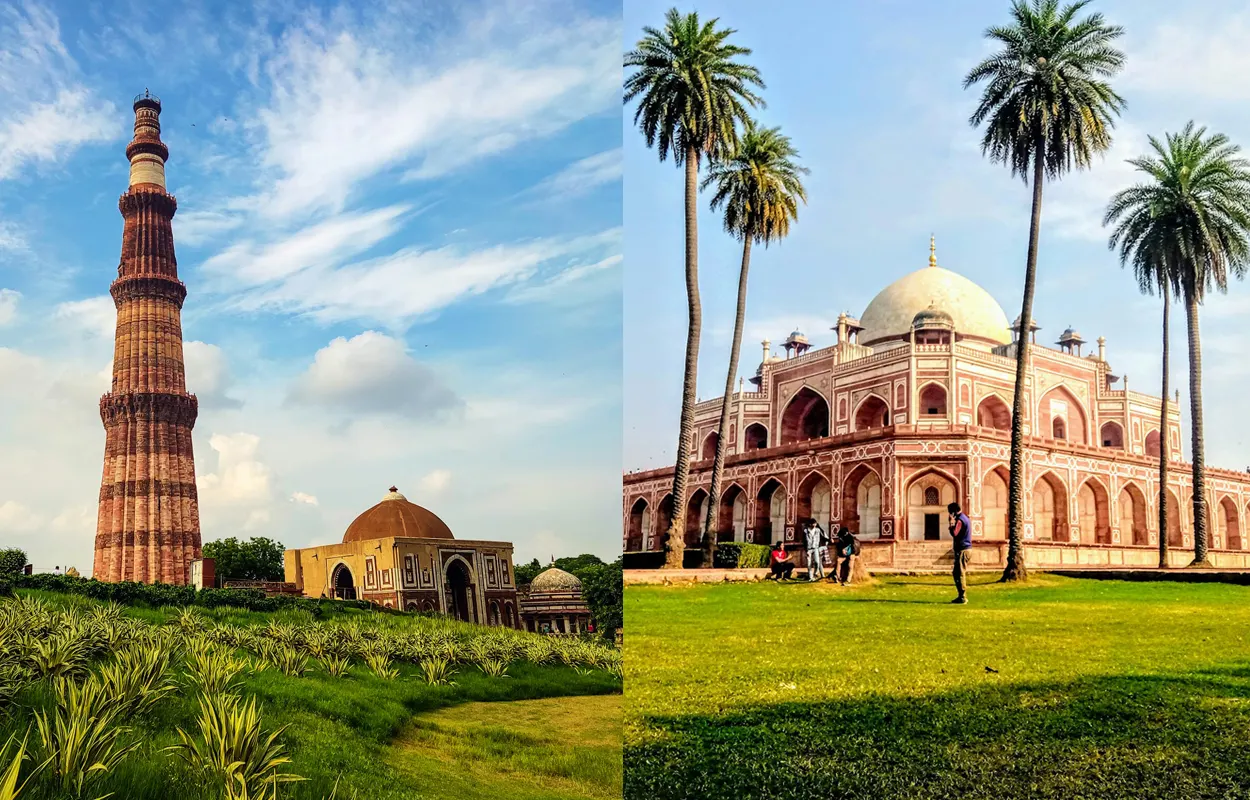
Delhi’s two most prominent UNESCO sites trace different chapters of the city’s layered history — Qutub Minar representing Delhi Sultanate architecture, and Humayun’s Tomb marking the beginning of grand Mughal garden-tomb design, later echoed in the Taj Mahal.
Best Time to Visit: October to March.
Southern India: Dravidian Temples & Ancient Ruins
5. Hampi, Karnataka
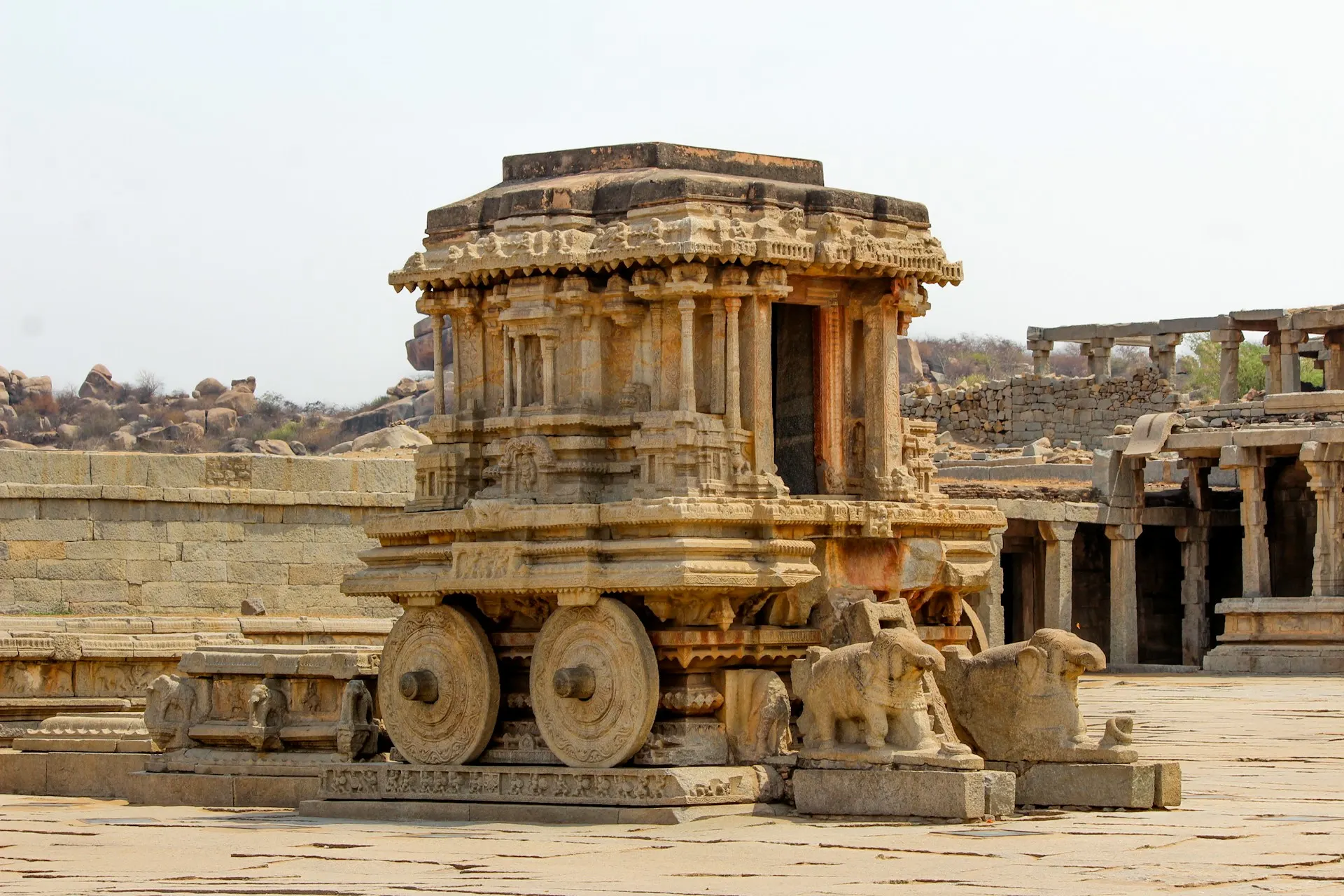
The ruins of the once-mighty Vijayanagara Empire spread across a surreal boulder-strewn landscape, making Hampi one of India’s most visually distinctive heritage sites — part ancient city, part otherworldly terrain.
Best Time to Visit: November to February.
6. Great Living Chola Temples (Brihadisvara Temple), Tamil Nadu
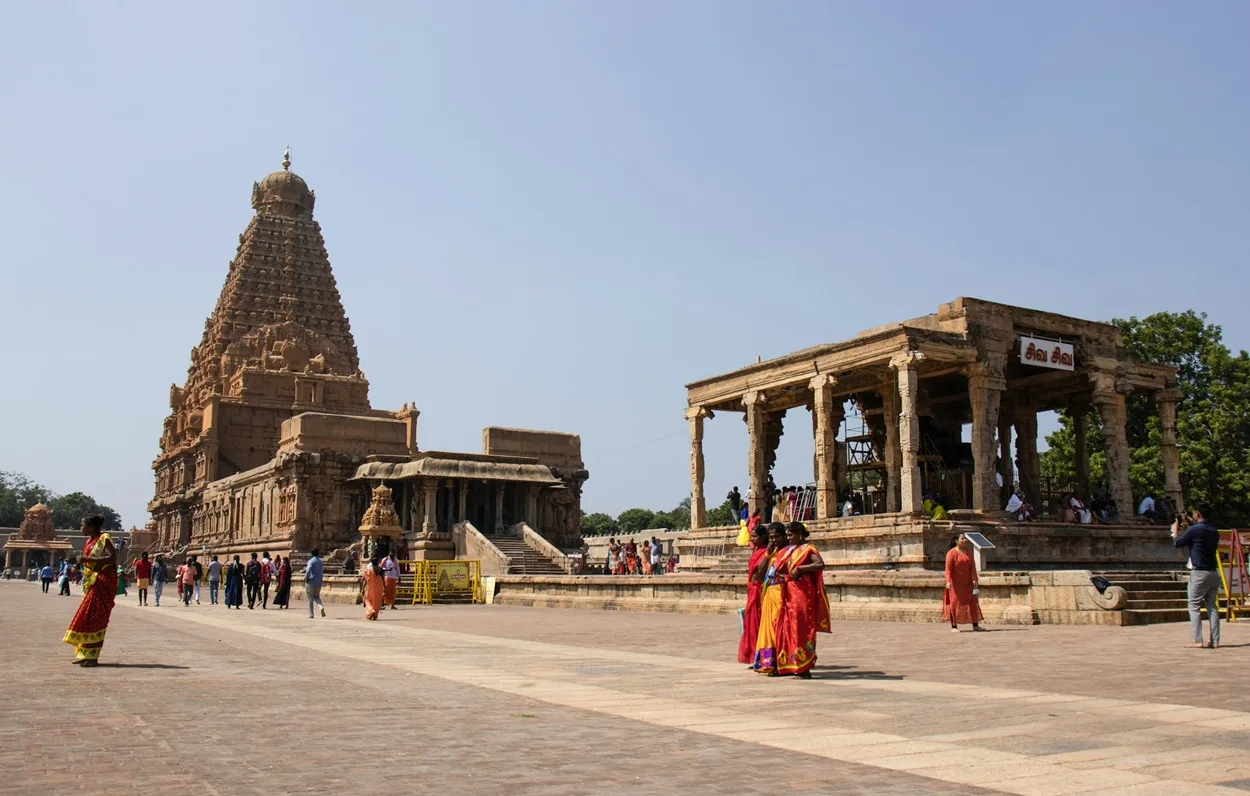
Built over a thousand years ago, the Brihadisvara Temple in Thanjavur remains an active place of worship and a masterclass in Dravidian temple architecture, with a soaring vimana (tower) that was among the tallest structures in the world at the time of its construction.
Best Time to Visit: November to February.
7. Group of Monuments at Mahabalipuram, Tamil Nadu
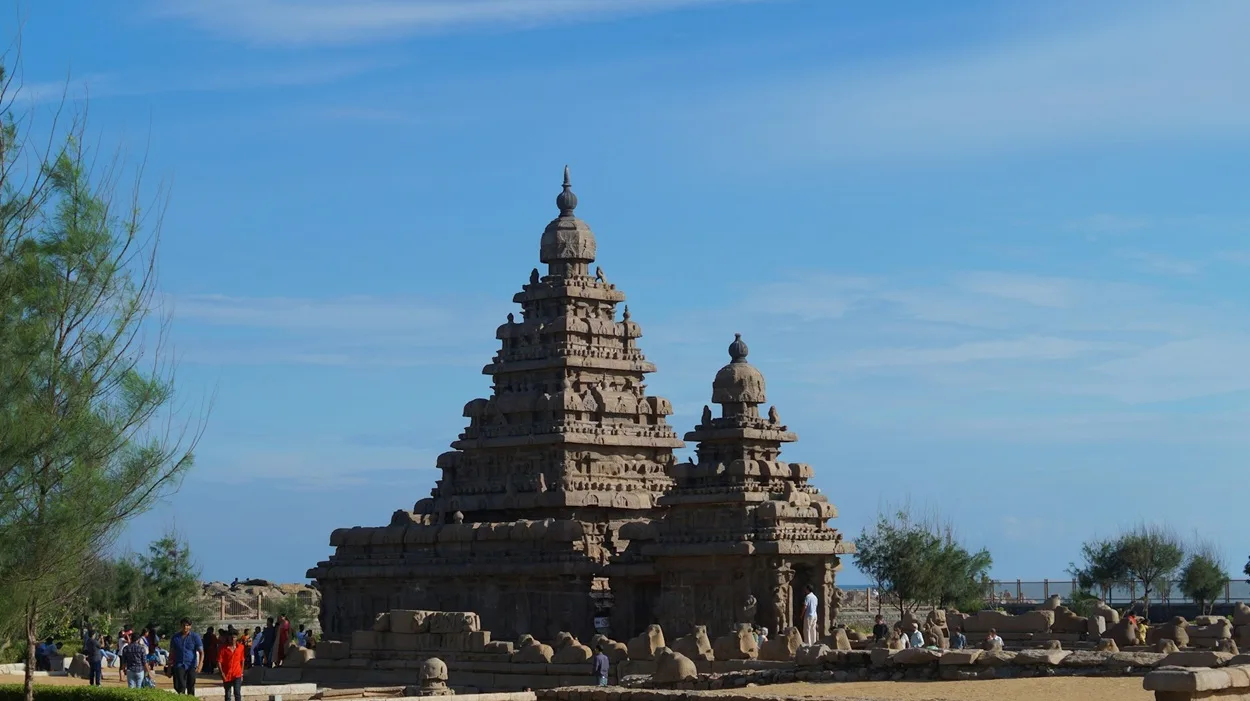
A coastal complex of shore temples and dramatic rock bas-reliefs carved directly into granite boulders, Mahabalipuram blends seaside scenery with some of South India’s finest ancient stone carving.
Best Time to Visit: November to February.
Central & Eastern India: Sculpture & Ancient Learning
8. Khajuraho Group of Monuments, Madhya Pradesh
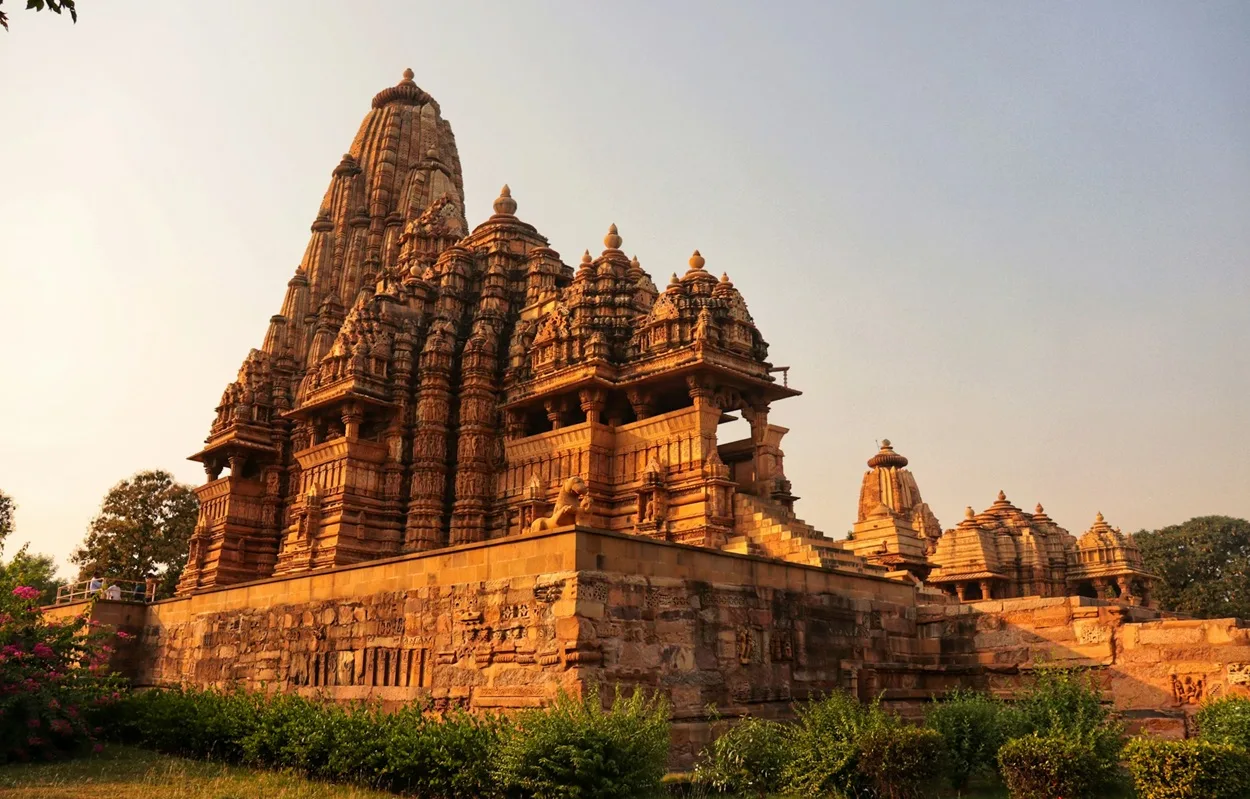
Famous for their intricate Nagara-style temple carvings, the Khajuraho temples represent one of the finest surviving examples of medieval Indian temple art and architecture.
Best Time to Visit: October to March.
9. Sun Temple, Konark, Odisha
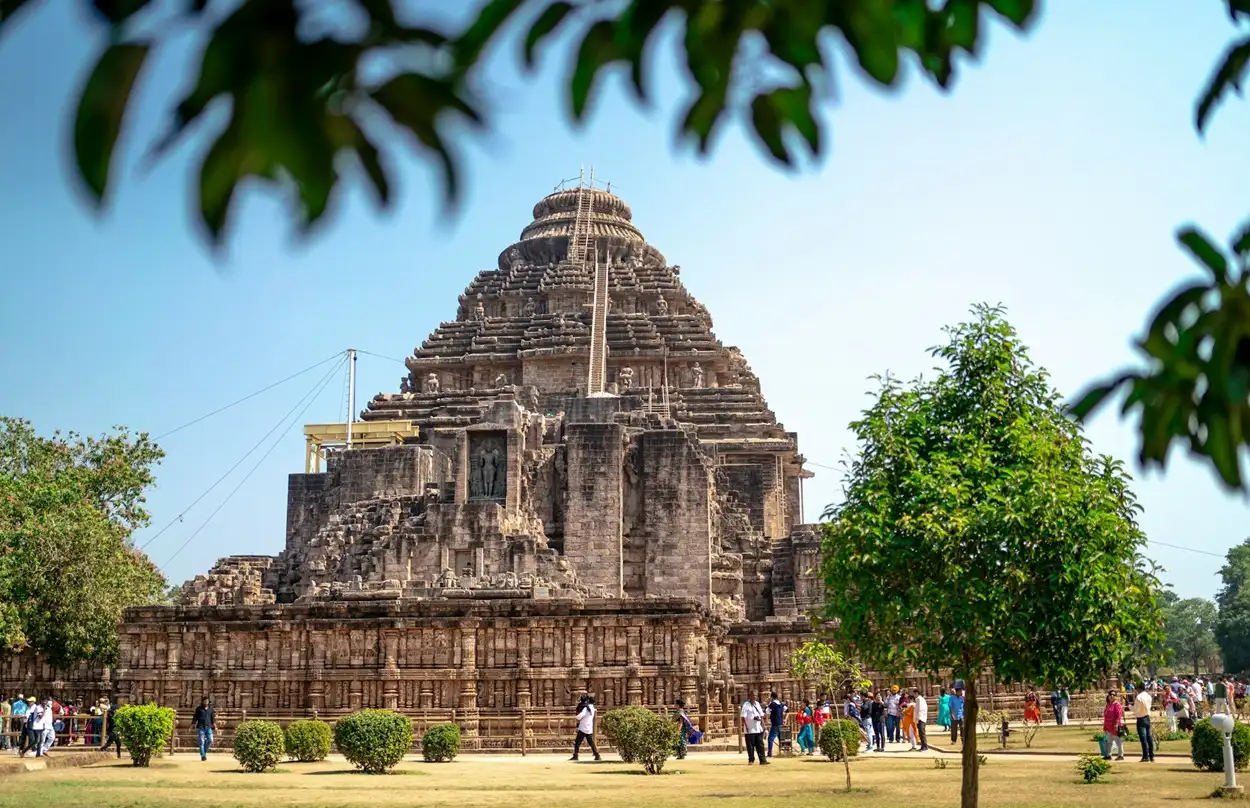
Designed as a colossal stone chariot dedicated to the sun god, complete with intricately carved wheels and horses, the 13th-century Konark Sun Temple remains one of India’s most architecturally ambitious monuments.
Best Time to Visit: September to March.
10. Nalanda Mahavihara, Bihar
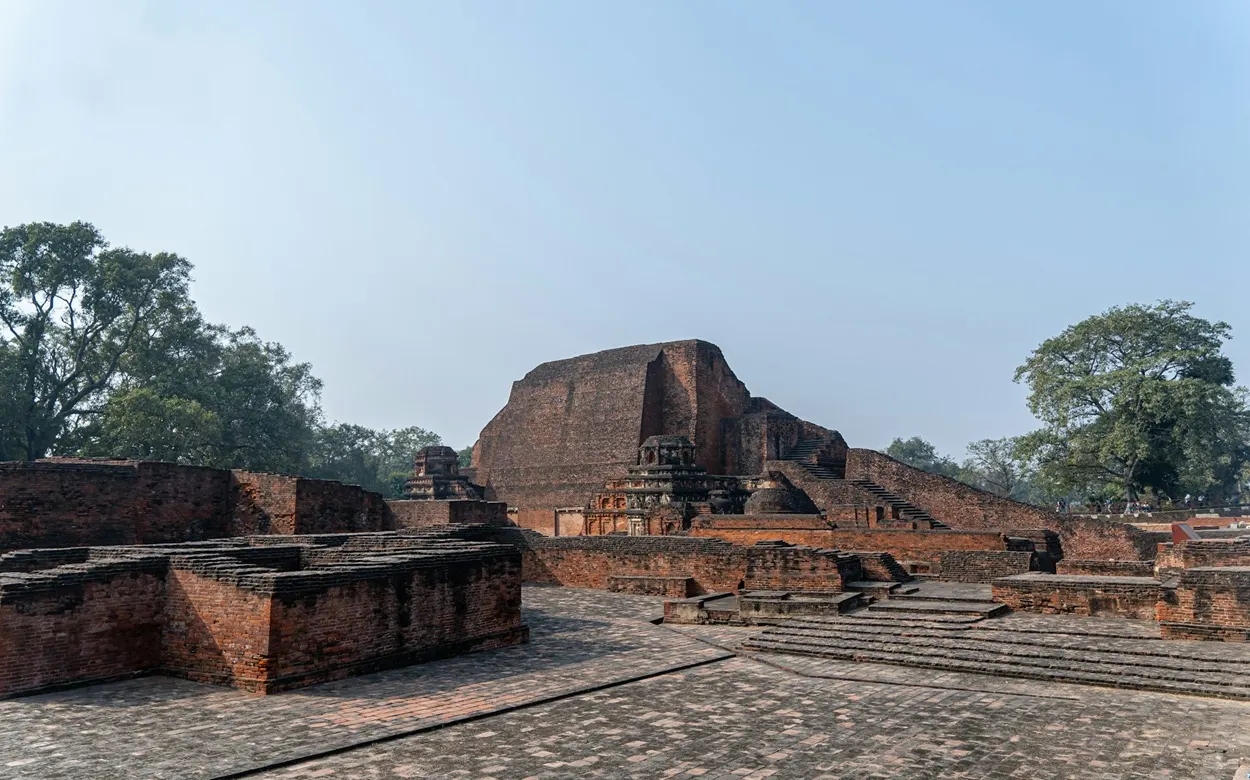
The ruins of what was once one of the ancient world’s great centers of learning — ancient Nalanda drew scholars from across Asia centuries before the concept of a “university” existed anywhere else.
Best Time to Visit: October to March.
Natural World Heritage Sites
- Kaziranga National Park, Assam: Home to the largest population of one-horned rhinoceroses in the world.
- Western Ghats: A biodiversity hotspot spanning several states, recognized for its exceptional levels of endemic species.
- Sundarbans National Park, West Bengal: The world’s largest mangrove forest and a critical tiger habitat.
Hidden & Underrated Heritage Places in India
- Rani ki Vav, Gujarat: An extraordinarily intricate stepwell built as a subterranean water temple, largely overlooked compared to Gujarat’s other attractions.
- Bhimbetka Rock Shelters, Madhya Pradesh: Prehistoric rock art and shelters dating back tens of thousands of years, offering a glimpse into some of the earliest human settlements in India.
- Champaner-Pavagadh Archaeological Park, Gujarat: A rare site combining hilltop fort, historic city ruins, and an active pilgrimage temple within a single archaeological park.
Quick Reference: Heritage Places in India
| Heritage Place | Location | Significance / Dynasty | Best Time to Visit |
|---|---|---|---|
| Taj Mahal | Agra, Uttar Pradesh | Mughal architecture / Shah Jahan | Oct–Mar |
| Hampi | Ballari, Karnataka | Vijayanagara Empire ruins | Nov–Feb |
| Amer Fort | Jaipur, Rajasthan | Rajput architecture | Oct–Mar |
| Ajanta & Ellora Caves | Chhatrapati Sambhajinagar, Maharashtra | Rock-cut cave temples | Oct–Mar |
| Konark Sun Temple | Puri, Odisha | 13th-century sun chariot temple | Sep–Mar |
Practical Travel Tips for Visiting Heritage Sites
Ticket Booking: Most Archaeological Survey of India (ASI)-protected monuments offer online ticket booking through the official ASI portal, which often works out cheaper and lets you skip long entry queues, especially at high-traffic sites like the Taj Mahal.
Photography & Dress Code: While most heritage monuments are relaxed about photography, active religious sites — particularly the Chola temples in Tamil Nadu — expect modest, respectful attire, and some restrict photography inside the inner sanctum.
Guide vs. Audio Guide: For sites with dense symbolism (Khajuraho, Ajanta-Ellora, Konark), a licensed local guide or official audio guide app adds significant context you’d otherwise miss just walking through.
Frequently Asked Questions
As of 2026, India has 45 UNESCO World Heritage Sites — 37 cultural, 7 natural, and 1 mixed site — making it the country with the sixth-highest number of sites globally.
Among UNESCO-listed sites, the Ajanta Caves (dating back over 2,000 years) and the Bhimbetka Rock Shelters (with art dating back tens of thousands of years) rank among the oldest, though Bhimbetka predates almost every other heritage site in the country by a wide margin.
The Golden Triangle — Delhi, Agra, and Jaipur — remains the most practical starting point, packing the Taj Mahal, Agra Fort, Qutub Minar, Humayun’s Tomb, and Amer Fort into a single, well-connected route, ideal alongside a broader Jaipur itinerary.
Yes, generally — online booking through the official ASI portal often avoids service fees charged at physical ticket counters and lets you skip the queue entirely at high-footfall sites.