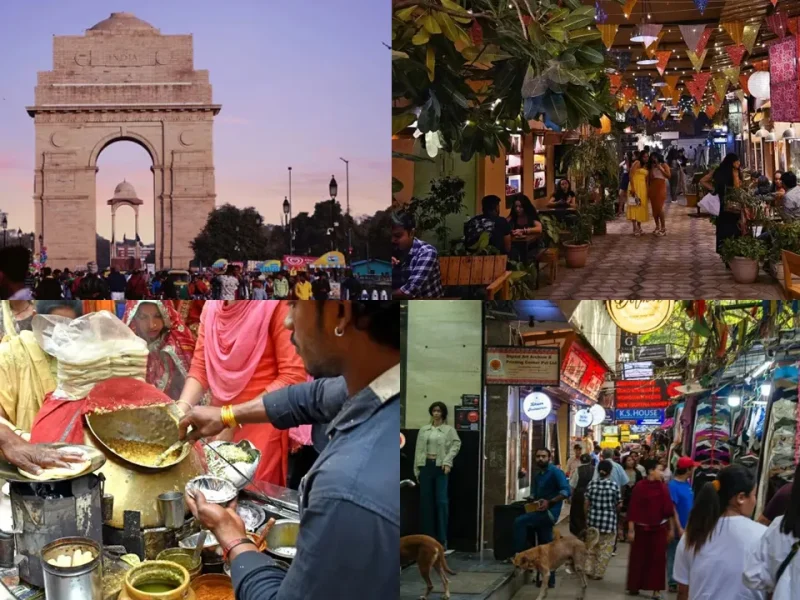
Delhi doesn’t do things by half — it’s got 800-year-old monuments sitting a few kilometers from glass office towers, and a food scene that swings from Mughal-era street stalls to third-wave coffee shops in the same afternoon. If you’re short on time (and most visitors are), the real question isn’t “what’s there to see in Delhi” — it’s “where does my time, money, and energy actually pay off?” This guide sorts Delhi’s best spots by exactly that: history, spirituality, nature, shopping, and the offbeat corners most tourists walk right past.
Historical & Iconic Monuments
These are Delhi’s headline attractions for a reason — skip these and you’ve genuinely missed the city’s core.
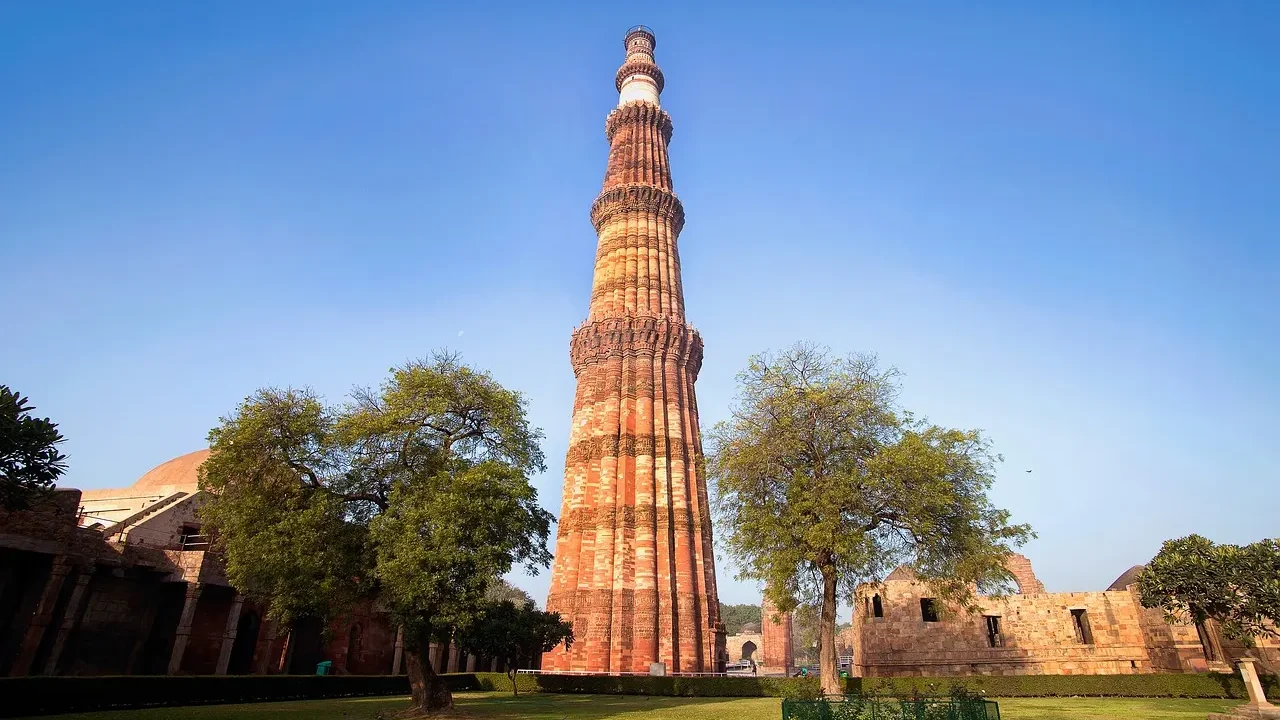
1. Qutub Minar & Mehrauli Archaeological Park
A UNESCO World Heritage Site and Delhi’s tallest minaret, surrounded by ruins that most visitors never bother exploring — Mehrauli Archaeological Park right next door is packed with lesser-known tombs and structures, and it’s free.
- Nearest Metro Station: Qutub Minar (Yellow Line)
- Best Time to Visit: Early morning or late afternoon (3 PM–5 PM), for softer light and thinner crowds
- Entry Fee: ₹35 (Indian) / ₹550 (Foreigner) — subject to periodic revision, confirm at the ASI counter
- Pro-Tip: Book the combined ticket online to skip the entry line, and walk into Mehrauli Archaeological Park afterward — it’s genuinely underrated.
2. Humayun’s Tomb
Often called the architectural blueprint for the Taj Mahal, this tomb’s symmetrical Mughal garden layout set the template Shah Jahan’s architects later refined.
- Nearest Metro Station: JLN Stadium / Jangpura (Violet Line)
- Best Time to Visit: Early morning or golden hour before sunset
- Entry Fee: ₹35 (Indian) / ₹550 (Foreigner), approximate
- Pro-Tip: Combine with Sunder Nursery right next door — the two together make for a full, unhurried morning.
3. Red Fort (Lal Qila) & Jama Masjid
The seat of Mughal power for two centuries, and still where India’s Prime Minister hoists the flag every Independence Day. Pair it with a walk to Jama Masjid and a proper Old Delhi food crawl.
- Nearest Metro Station: Lal Qila (Violet Line) / Chandni Chowk (Yellow Line)
- Best Time to Visit: Morning, right after opening — Old Delhi gets hot and crowded by midday
- Entry Fee: ₹35 (Indian) / ₹550 (Foreigner), closed Mondays
- Pro-Tip: Walk from here straight into Chandni Chowk for lunch — it’s a five-minute stroll into some of Delhi’s best street food.
4. India Gate & Kartavya Path
Delhi’s most photographed war memorial, and the lawns around it turn into a genuinely lively evening spot with food carts and families out for a walk.
- Nearest Metro Station: Central Secretariat (Yellow/Violet Line)
- Best Time to Visit: Evening, once it’s lit up
- Entry Fee: Free
- Pro-Tip: Skip the pricier restaurants nearby and grab kulfi or roasted corn from the street vendors along the lawns instead.
5. Agrasen Ki Baoli
A centuries-old stepwell tucked just off Connaught Place — steep symmetrical steps descending into cool, shaded stone, and one of the most photogenic spots in the city.
- Nearest Metro Station: Barakhamba Road (Blue Line)
- Best Time to Visit: Midday, when sunlight reaches down into the well
- Entry Fee: Free
- Pro-Tip: It only takes 20–30 minutes — pair it with a CP café stop right after.
Spiritual & Peaceful Retreats
Delhi’s chaos has an off-switch, and these three are it.
6. Gurudwara Bangla Sahib
Beyond the striking golden dome, the sarovar (holy pond) and the community langar — a free communal meal open to everyone, regardless of faith — make this one of Delhi’s most genuinely moving stops.
- Nearest Metro Station: Rajiv Chowk / Patel Chowk (Yellow/Blue Line)
- Best Time to Visit: Early morning or evening, for a quieter, more reflective visit
- Entry Fee: Free, open 24 hours
- Pro-Tip: Volunteer at the langar kitchen for even 15 minutes — it’s a humbling experience most tourists never think to try.
7. Akshardham Temple
An architectural spectacle built almost entirely of stone and marble, with an evening fountain and light show that adds sound and mythology into the mix.
- Nearest Metro Station: Akshardham (Blue Line)
- Best Time to Visit: Evening, to catch the water show after the temple complex
- Entry Fee: Temple entry free; exhibitions and water show ticketed separately
- Pro-Tip: Phones, cameras, and bags aren’t allowed inside — free lockers are available outside, so budget a few extra minutes for security.
8. Lotus Temple
The white, flower-shaped Bahá’í House of Worship welcomes all faiths for quiet meditation, and it’s genuinely peaceful inside regardless of your own beliefs.
- Nearest Metro Station: Kalkaji Mandir (Magenta/Violet Line)
- Best Time to Visit: Early morning or just before sunset, when light on the white petals looks best
- Entry Fee: Free, closed Mondays
- Pro-Tip: Photography is fine outside, but phones must stay away once you’re seated inside the prayer hall.
Nature, Parks & Aesthetic Chill Spots
For when the monument-hopping needs a break.
9. Sunder Nursery
A landscaped heritage park dotted with restored Mughal-era monuments, and one of Delhi’s most Instagrammed spots for a reason — it’s genuinely well-designed, with café options right inside.
- Nearest Metro Station: JLN Stadium (Violet Line)
- Best Time to Visit: Late afternoon into golden hour
- Entry Fee: Nominal ticket price, roughly ₹35
- Pro-Tip: Combine it with Humayun’s Tomb next door for a single, unhurried half-day.
10. Lodhi Gardens
Fifteenth-century tombs scattered across a genuinely peaceful landscaped park — a favorite for morning walkers and joggers as much as tourists.
- Nearest Metro Station: Jorbagh (Yellow Line)
- Best Time to Visit: Early morning, before the heat sets in
- Entry Fee: Free
- Pro-Tip: Pair with the Lodhi Art District nearby for a full aesthetic morning.
11. Garden of Five Senses & Hauz Khas Village
A 13th-century fort and lake sit right beside a lively strip of cafés and boutique stores — one of the few places in Delhi where heritage and nightlife genuinely coexist.
- Nearest Metro Station: Hauz Khas (Yellow/Magenta Line)
- Best Time to Visit: Sunset, for lake views before dinner
- Entry Fee: Free (fort and deer park); Garden of Five Senses has a nominal entry fee
- Pro-Tip: Walk through the fort ruins before dark — the deer park closes earlier than the café strip.
Shopping, Markets & Street Food Hubs
Delhi’s markets are less “shopping trip” and more “cultural experience with a receipt.”
12. Chandni Chowk
Asia’s largest spice market and one of India’s oldest, busiest bazaars — Old Delhi at its most chaotic and delicious, especially down Paranthe Wali Gali.
- Nearest Metro Station: Chandni Chowk (Yellow Line)
- Best Time to Visit: Late morning on a weekday to dodge peak crowds
- Entry Fee: Free to explore
- Pro-Tip: Go on foot or by cycle-rickshaw — cars simply can’t navigate these lanes.
13. Dilli Haat (INA)
A permanent open-air crafts and food bazaar bringing regional handicrafts and cuisines from across India together — Sikkimese momos next to a Naga thali stall next to Rajasthani puppets.
- Nearest Metro Station: INA (Pink/Yellow Line)
- Best Time to Visit: Evening, lively but not overcrowded
- Entry Fee: Nominal, roughly ₹20–30
- Pro-Tip: Go hungry — this is one of the best places in Delhi to try regional Indian food you won’t easily find elsewhere.
14. Khan Market & Connaught Place (CP)
Khan Market for high-end shopping and aesthetic cafés, CP for its colonial-era circular architecture and central location — both work as a base to fan out from.
- Nearest Metro Station: Khan Market (Violet Line) / Rajiv Chowk (Yellow/Blue Line)
- Best Time to Visit: Evening for CP’s lit-up architecture
- Entry Fee: Free to walk around
- Pro-Tip: CP’s inner and outer circles are easy to lose track of — use the metro station as your anchor point when navigating.
15. Sarojini Nagar & Lajpat Nagar
Delhi’s go-to spots for budget fashion — export-surplus clothing and accessories at prices that make haggling half the fun.
- Nearest Metro Station: INA (Pink/Yellow Line) for Sarojini; Lajpat Nagar (Violet/Pink Line) for the other
- Best Time to Visit: Weekday mornings for calmer bargaining
- Entry Fee: Free; closed Mondays for many shops
- Pro-Tip: Always negotiate — the first quoted price is rarely the final one.
Hidden Gems & Offbeat Spots
The places most tourists walk past without realizing they’re there.
16. Majnu ka Tilla (Little Tibet)
A neighborhood packed with Tibetan and Korean food stalls, thrifted fashion, and a completely different cultural vibe from the rest of Delhi.
- Nearest Metro Station: Vishwavidyalaya (Yellow Line)
- Best Time to Visit: Afternoon into evening
- Entry Fee: Free
- Pro-Tip: Try momos and thukpa from the smaller stalls rather than the bigger cafés — cheaper and often better.
17. Lodhi Art District
India’s first open-air public art district, with entire building walls turned into massive murals by artists from around the world.
- Nearest Metro Station: Jorbagh (Yellow Line)
- Best Time to Visit: Early morning (6–7 AM) for the best light and zero crowds
- Entry Fee: Free
- Pro-Tip: Visit Lodhi Garden right after — a great two-in-one aesthetic morning.
18. National Rail Museum & National Crafts Museum
Genuinely underrated for photography and history buffs — vintage locomotives at one, traditional Indian craftsmanship at the other.
- Nearest Metro Station: Chanakyapuri area (Rail Museum) / Pragati Maidan (Crafts Museum, both Blue Line-adjacent)
- Best Time to Visit: Weekday mornings for a quieter visit
- Entry Fee: Nominal, typically under ₹50
- Pro-Tip: Both are easy to combine with a Delhi Cantt or Pragati Maidan day if you’re already in the area.
Suggested Delhi Itineraries
1-Day Quick Tour
Red Fort → Chandni Chowk (lunch) → India Gate → Gurudwara Bangla Sahib → Qutub Minar (evening). A realistic full day covering Old and New Delhi’s biggest names without feeling rushed.
2–3 Day Relaxed Itinerary
Day 1 (Old Delhi): Red Fort, Jama Masjid, Chandni Chowk, Agrasen ki Baoli.
Day 2 (Central & South Delhi): Humayun’s Tomb, Sunder Nursery, Lodhi Gardens, Lodhi Art District, Hauz Khas Village in the evening.
Day 3 (Spiritual & Shopping): Akshardham, Lotus Temple, Dilli Haat, Sarojini Nagar or Khan Market.
Practical Survival & Local Tips
How to Travel Around
The Delhi Metro is genuinely the fastest and least stressful way to get around — a single token works for one-way trips, while a rechargeable travel card (available at any station) saves time if you’re using the metro across multiple days. Road traffic can turn a short distance into an hour-long crawl, so default to the metro wherever a station is nearby.
Best Time/Season to Visit
October to March offers pleasant, walkable weather for sightseeing. Summers (April–June) get uncomfortably hot for a full day outdoors.
Safety & Scam Advice
Use metered autos or app-based cabs (Uber, Ola, InDrive) rather than negotiating fares blind — unmetered autos near tourist spots routinely overcharge. Book monument tickets online where possible (Qutub Minar, Red Fort, Humayun’s Tomb all offer this) to skip both the queue and the touts who hang around ticket counters offering “help.”
Frequently Asked Questions
It’s workable if you prioritize — 2 days lets you comfortably cover Old Delhi’s monuments plus a handful of South Delhi or spiritual spots, though you’ll likely have to skip either the offbeat neighborhoods or one of the shopping districts.
Lodhi Gardens for a quiet walk, Hauz Khas Village for an evening out, and India Gate’s lawns for a relaxed sunset — all offer a slower pace than the busier monument circuit.
India Gate, Lodhi Gardens, Agrasen Ki Baoli, Gurudwara Bangla Sahib, Lotus Temple, and the Lodhi Art District are all free to enter, making a genuinely full day possible without spending on tickets.
Red Fort, Qutub Minar, Humayun’s Tomb, and India Gate cover Delhi’s historical range in a compact, well-connected circuit — the natural starting point for anyone visiting for the first time.