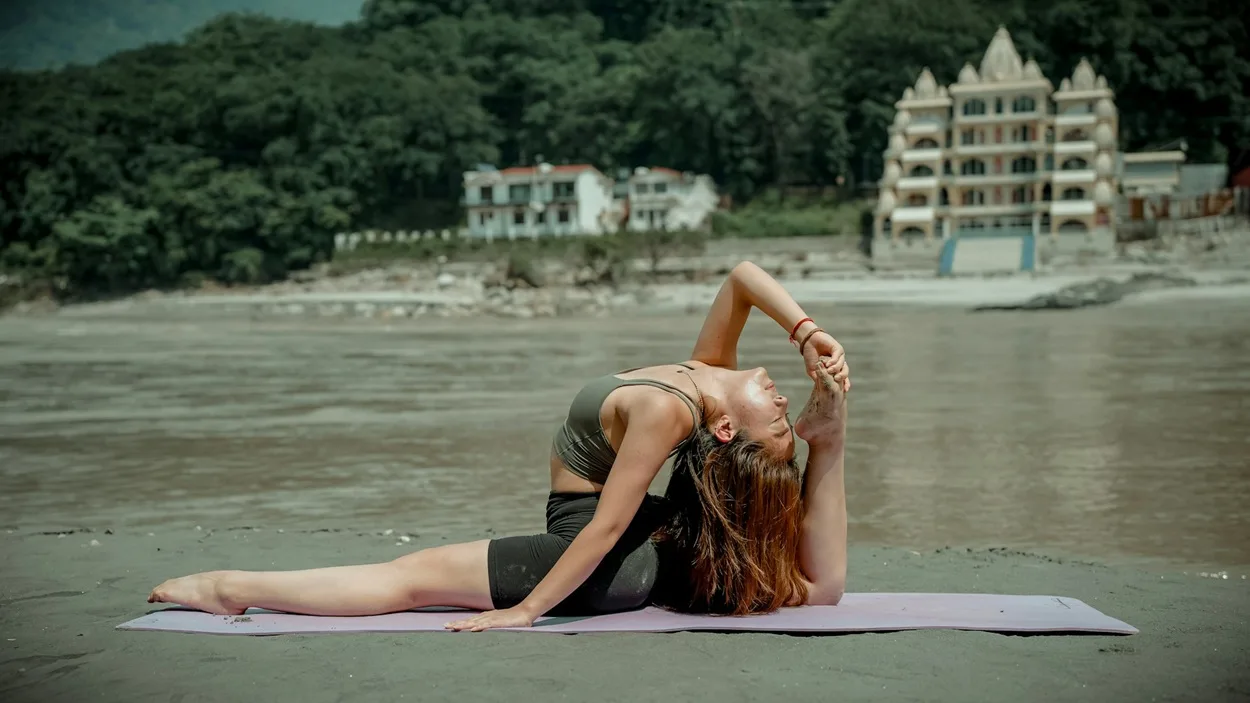
If you’ve searched this exact phrase, you’re probably holding two things at once — genuine excitement about India, and a real amount of anxiety fed by headlines, well-meaning warnings from relatives, and forum threads that skew toward worst-case stories. Both feelings are valid. This guide won’t pretend India is uniformly easy for women to travel through, and it won’t pretend it’s uniformly dangerous either. It’s written to give you the specific, practical information that actually changes how a trip goes — not generic reassurance, and not fear for its own sake.
Myth vs. Reality
Myth: “Women shouldn’t travel alone in India.”
Reality: Millions of women — Indian and foreign — travel solo across India every year. The trips that go smoothly tend to have three things in common: choosing regions and routes with strong existing traveler infrastructure, using vetted transport and accommodation rather than the cheapest unverified option, and avoiding isolated areas late at night. None of that requires giving up spontaneity entirely — it just means being deliberate about the calls that matter.
Setting Real Expectations: What Solo Travel in India Actually Feels Like
India will probably feel more intense than most places you’ve traveled, in both directions — more warmth and hospitality than you’re used to, and also more attention, noise, and unsolicited advice than you’re used to. Neither is necessarily a red flag; it’s just a different baseline.
The Staring & Attention Factor
In parts of North India especially, staring is common and isn’t always hostile — it’s often plain curiosity, particularly outside major tourist circuits where foreign or unaccompanied women are less common. That doesn’t make it comfortable, and you’re not obligated to engage with it. A neutral, unbothered expression and confident body language go further than most other tactics for defusing unwanted attention before it escalates into conversation you don’t want.
Unsolicited Help & Minor Scams
Touts offering “help” at train stations, unsolicited tour guides at monuments, and inflated auto-rickshaw quotes are common tourist-targeting patterns — not something specific to women, though solo women are sometimes seen as easier targets. A firm, short “no, thank you” without lingering explanation works better than a polite, drawn-out decline, which can read as an opening for more persuasion.
Safest Destinations for Solo Female Travelers in India
“Safe” isn’t binary or permanent, but some regions consistently see high volumes of solo women travelers, strong tourist infrastructure, and fewer reported issues than others.
The Himalayas: Relaxed, Backpacker-Friendly
Himachal Pradesh (Manali, Dharamshala, Bir, Jibhi), Uttarakhand (Rishikesh, Chopta), and Ladakh all see heavy solo and backpacker traffic, with a genuinely laid-back atmosphere and well-established hostel and homestay networks.
The South & Coastal Belts
Kerala (Munnar, Fort Kochi, Varkala), Puducherry, and Goa’s quieter stretches (Arambol, Palolem) are consistently among the most-recommended regions for solo women, with strong tourism infrastructure and a noticeably calmer public atmosphere than some northern cities.
Culture & Heritage Circuits
Rajasthan’s major tourist cities (Udaipur, Jaipur, Jaisalmer) see enough solo traveler traffic that hostels, guides, and transport operators are well set up for it — standard city-awareness precautions apply, as they would in any heavily touristed heritage city.
Northeast India
Sikkim and Meghalaya are frequently cited as among the most comfortable regions for women specifically, partly due to Meghalaya’s matrilineal Khasi and Garo societies, which shape a noticeably different social dynamic around women in public spaces than in much of the rest of the country.
Practical Dress Code & Cultural Etiquette
What you wear genuinely affects how much attention you draw, particularly outside beach towns and major cities.
- General rule: Loose, breathable cotton clothing that covers shoulders and knees works almost everywhere and blends in far better than fitted or revealing clothing, especially in smaller towns and rural areas.
- Temples & religious sites: Shoulders and knees covered is close to a hard requirement, not a suggestion — carry a scarf or dupatta specifically for this, since some sites won’t let you in without one.
- Goa & beach towns: Swimwear and shorts are normal and accepted at the beach itself, but walking through town in the same clothing draws more attention than it would back home — a light cover-up for the walk back is worth carrying.
- Layering: A scarf or dupatta is genuinely one of the most versatile items you can carry — sun protection, modesty coverage on demand, and warmth on air-conditioned trains and buses, all in one.
Transportation Safety
Trains
Indian Railways runs several classes, and the difference matters more for solo women than it might elsewhere. 2AC, 3AC, or Executive Chair Car are worth the extra cost over Sleeper Class for overnight journeys — better security, fewer strangers per compartment, and generally more women travelers in the same car. When booking, look into IRCTC’s Lady Quota, a reserved berth allocation specifically for women travelers on many routes. Choosing an upper berth on overnight trains also gives you more physical privacy and distance from the aisle.
Cabs & Autos
App-based cabs (Uber, Ola) are generally a safer default than flagging down an unmetered taxi, especially at night — the trip is logged, the driver is identified, and you can share your live trip status with someone in real time. Share your live location with a friend or family member for any late trip, and avoid arriving at remote bus or train stations between roughly 11 PM and 5 AM if you can plan your travel times around it — this is less about any single incident and more about the fact that isolated, poorly lit transit hubs late at night carry more general risk everywhere, not just in India.
Intercity Buses
For overnight intercity travel, Volvo AC buses are a meaningfully better choice than non-AC local buses — better security standards, assigned seating, and a more predictable travel experience overall.
Accommodation & Staying Safe
Where to Stay
Established hostel chains like Zostel, Hosteller, and Gostops offer verified female-only dorms in most major backpacker destinations, and tend to have a built-in community of other solo travelers, which itself adds a layer of comfort and safety.
Homestays & Guesthouses
Family-run homestays and boutique guesthouses are often a better choice than the cheapest available hotel, particularly one in a secluded or poorly reviewed location — the host relationship itself tends to add both safety and a genuinely richer cultural experience.
Quick Hotel Checklist
- Check recent reviews specifically mentioning solo women guests, not just overall ratings.
- Confirm the property is on a main road or well-lit area, not down an isolated alley — check this on the map before booking, not after arrival.
- Verify door and window lock quality once you check in, and don’t hesitate to ask for a room change if something feels off.
- Note the front desk’s 24-hour status — properties without round-the-clock staff are worth extra scrutiny for late arrivals.
Health, Emergency & Tech Tools
SIM Card & Connectivity
Pick up a local prepaid SIM (Airtel or Jio) on arrival, with data active from day one — reliable connectivity underpins almost every other safety tool on this list, from live location sharing to ride-hailing apps.
Useful Apps
- Google Maps: Download offline maps for each region before you travel, since network coverage drops out in more remote areas.
- Uber / Ola: For trackable, identified rides in cities where they operate.
- WhatsApp live location sharing: A simple, free way to keep someone informed of your movements in real time.
- 112 India app: The official emergency app tied to India’s national emergency number, letting you send an SOS with your GPS location directly to the nearest emergency response center.
Emergency Numbers Worth Saving Now
- 112 — India’s national emergency number, covering police, fire, and ambulance in one line.
- 1091 — Women’s helpline, for harassment, distress, or safety concerns specifically.
- 181 — Women’s helpline for domestic abuse—related distress.
- 1930 — National cybercrime helpline, useful for reporting online scams or fraud encountered while traveling.
Save these before you land, not after you need them — network issues or unfamiliar phone settings are the last thing you want to be dealing with in an actual emergency.
Period Hygiene & General Health
Sanitary pads are widely available in pharmacies and general stores even in smaller towns; tampons and menstrual cups are far less common outside major cities, so it’s worth carrying your own supply if you rely on either. Stick to bottled or properly filtered water throughout your trip, and check the seal on bottled water before drinking, since resealed counterfeit bottles are a known (if avoidable) issue in some tourist areas.
Sample 7-Day “Safe & Easy” First-Timer Itinerary
Two well-tested circuits for a first solo trip, both leaning on regions with strong traveler infrastructure:
- Kerala Circuit: Fort Kochi (2 days) → Munnar (2–3 days) → Varkala (2 days). Coastal, hill, and cliffside beach settings in one relaxed loop.
- Himachal Circuit: Dharamshala (2 days) → Bir (2 days) → Manali (3 days). A mountain-town circuit with an established backpacker trail the whole way through.
Packing Checklist for Solo Female Travel in India
- A portable door stopper/lock — genuinely useful in budget accommodation with basic locks
- A scarf or dupatta for temples, sun protection, and modesty on demand
- A power bank, given how much your phone will be doing (maps, ride apps, translation, location sharing)
- Offline maps downloaded for each region before you arrive
- Copies of your ID/passport stored separately from the originals
- Basic personal medication and a small first-aid kit
On pepper spray specifically: carrying it is legal for personal safety in India, but airline rules generally prohibit it in both carry-on and checked luggage, so if you’re flying internationally to get here, you’ll need to purchase it locally rather than bring it with you.
Frequently Asked Questions
Yes, for the large majority of trips — millions of foreign women travel India solo each year, particularly through well-established circuits like Kerala, Rajasthan, Goa, and the Himalayas. Safety here works the same way it does in most countries: it’s less about the country as a whole and more about specific choices — route, transport, timing, and accommodation.
There’s no single official ranking, but cities and regions with strong tourist infrastructure and heavy solo-traveler footfall — Kochi, Udaipur, Jaipur, and hill towns like Rishikesh and Dharamshala — consistently come up as among the more comfortable starting points for first-time solo travelers.
Loose, breathable clothing covering shoulders and knees works well almost everywhere, with a scarf or dupatta on hand for temples and religious sites. Beach towns like Goa are more relaxed about swimwear and shorts, though a cover-up for walking through town is a sensible middle ground.
Yes, with the right choices — 2AC, 3AC, or Executive Chair Car classes over Sleeper Class, an upper berth where possible, and IRCTC’s Lady Quota where available on your route. These steps don’t eliminate all risk, but they meaningfully reduce it compared to the cheapest unreserved option.