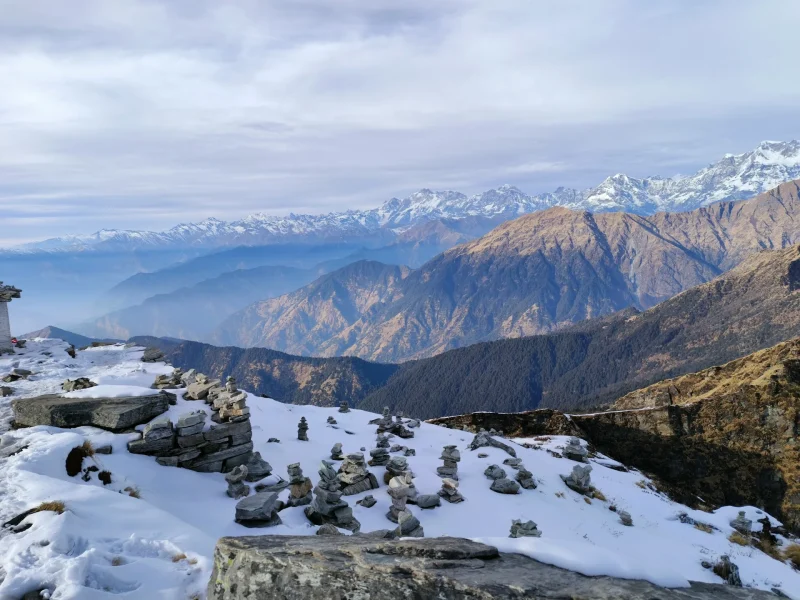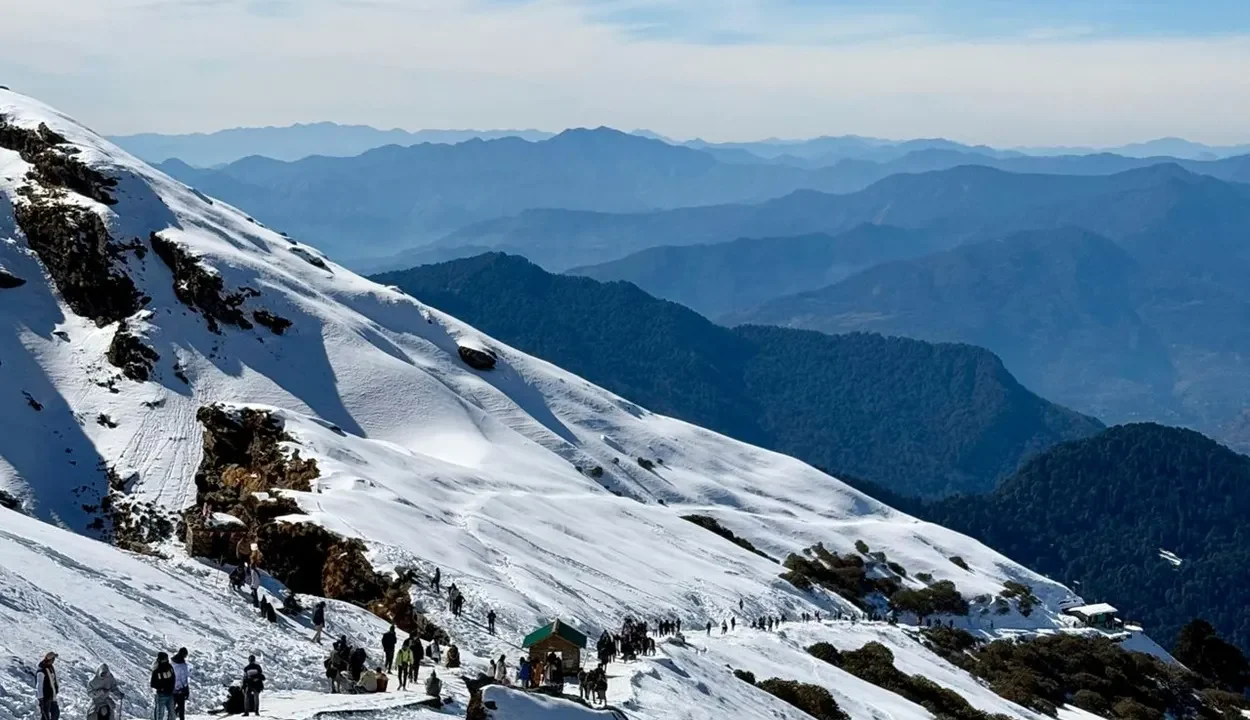
Say “hill station” in India and most people picture Shimla’s crowded malls or Manali’s traffic jams. Chopta hill station is the opposite of that. There are no malls, no traffic signals, and honestly, no real “town” to speak of — just rolling meadows, dense forest, and mountains that seem to surround you from every direction. It’s a quiet, eco-sensitive stretch of Uttarakhand that sits inside a wildlife sanctuary, which is exactly why it’s earned the nickname “Mini Switzerland of India.” If you’re looking for a hill station that still feels untouched, this guide will tell you everything you need to know before you go.
Planning a road trip from Delhi? Read our detailed Delhi to Chopta travel and budget guide for route details, fuel costs, and bus options.
Quick Fact Card: Chopta Hill Station
| State | Uttarakhand |
| District | Rudraprayag |
| Altitude | 2,680 m (approx. 8,790 ft) |
| Famous For | Tungnath Temple, Chandrashila Peak, Snow Treks, Alpine Meadows (Bugyals) |
| Nearest Airport | Dehradun (Jolly Grant Airport) |
| Distance from Delhi | Approx. 410 km |
| Distance from Rishikesh | Approx. 210 km |
| Ideal Duration | 3 Days / 2 Nights |
What Makes Chopta Hill Station Unique?
There’s more to Chopta than just pretty photos. A few things genuinely set this hill station apart from the usual Himalayan tourist circuit.
The Panch Kedar Connection
Chopta serves as the base camp for Tungnath Temple, the highest Shiva temple in the world, and one of the five sacred Panch Kedar temples. For a lot of visitors, this spiritual layer adds a completely different dimension to the trip beyond just scenery. Note: While the trekking route to Chopta remains accessible year-round, the doors (kapat) of Tungnath Temple close for the winter season from November to late April/May.
Kedarnath Wildlife Sanctuary
Chopta hill station sits right inside the Kedarnath Wildlife Sanctuary, which means the forests here are thick with rhododendron and deodar trees, and genuinely rich in wildlife. Birdwatchers come specifically hoping to spot the Himalayan Monal — Uttarakhand’s vividly colored state bird — and the sanctuary is also a protected habitat for the elusive Himalayan Musk Deer.
360° Himalayan Views
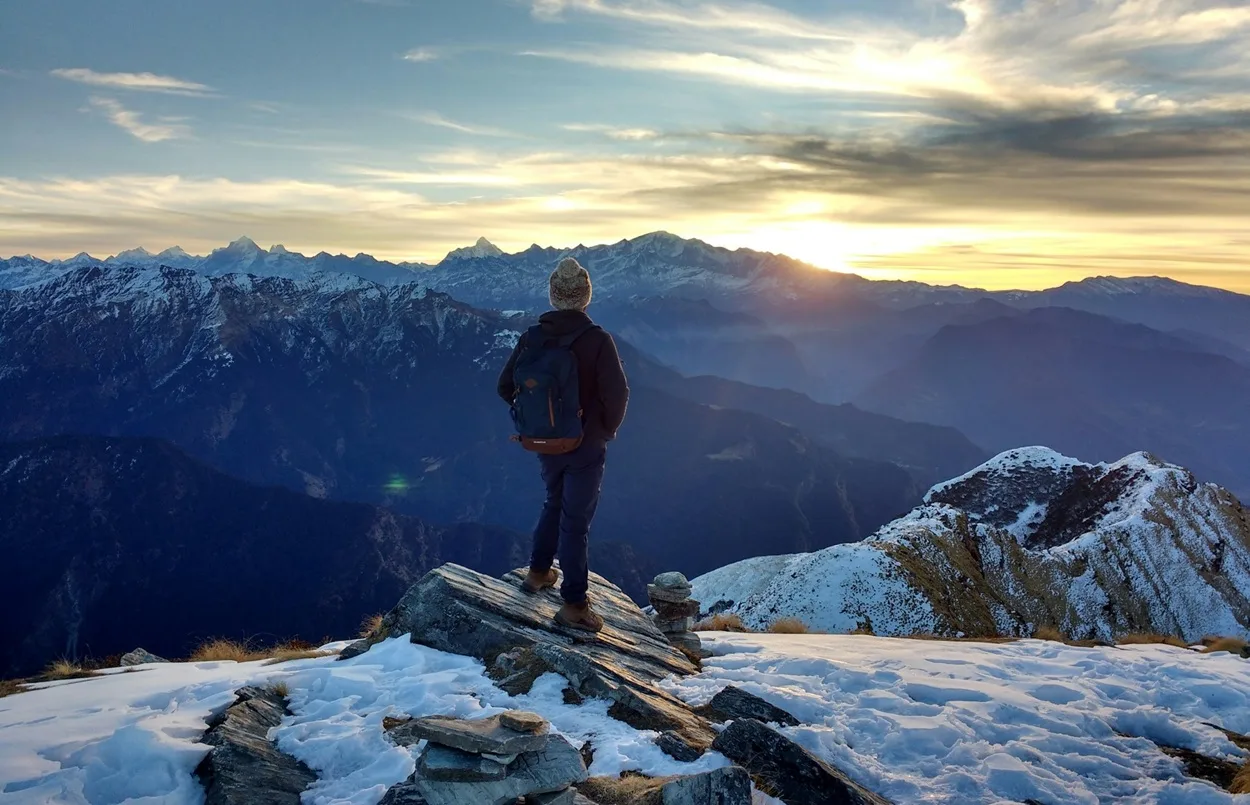
This is the part photos never quite capture. On a clear day, you get uninterrupted views of Nanda Devi, Chaukhamba, and Trishul all at once — no ridgelines or buildings blocking the horizon. It’s rare to find a viewpoint this open anywhere else in the region.
Top Things to Do at Chopta Hill Station
1. Tungnath & Chandrashila Peak Trek
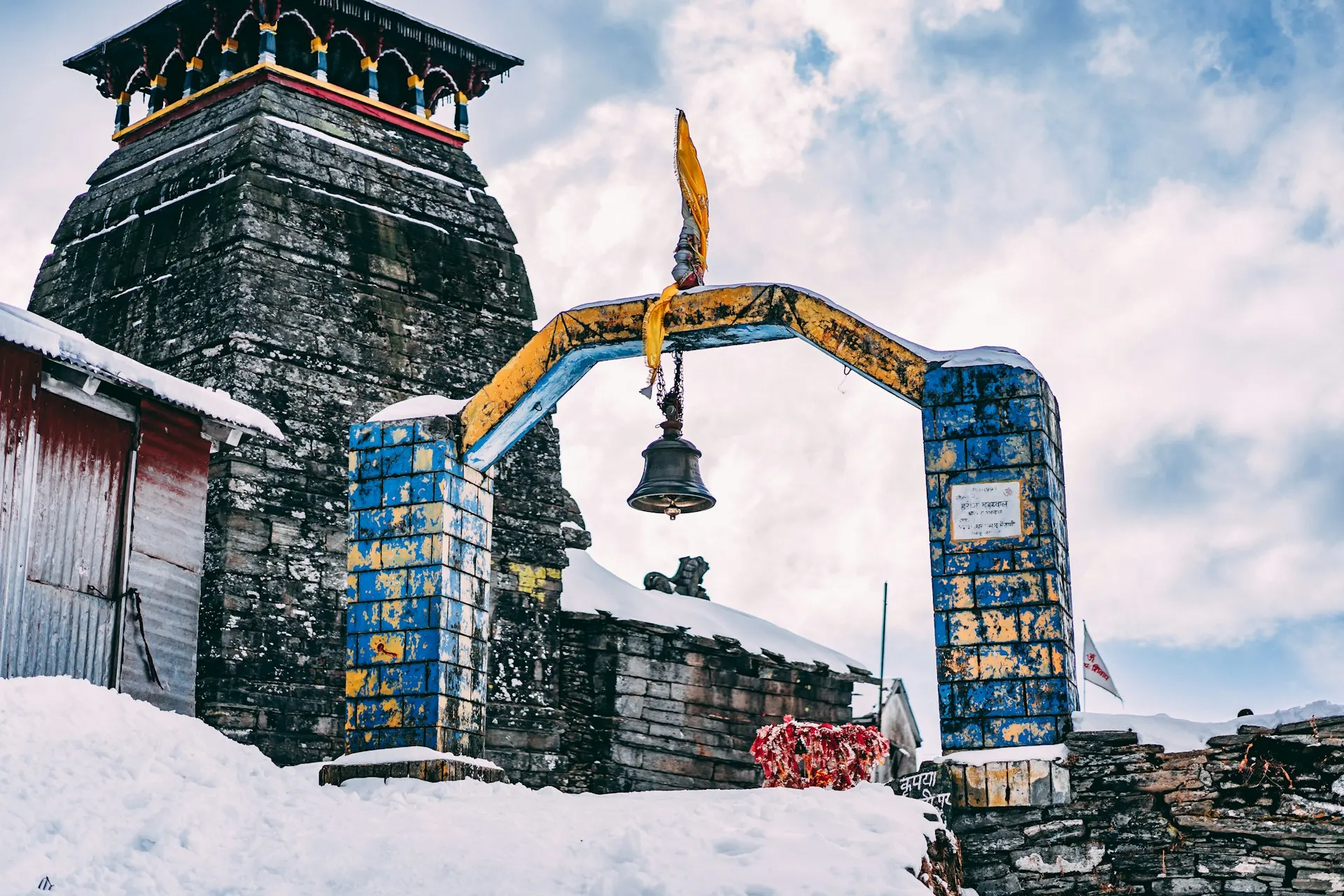
This is the flagship attraction and the reason most people visit. The Tungnath trek is about 3.5 km from Chopta, and from there, a steeper 1.5 km stretch takes you up to Chandrashila Peak, where the views genuinely feel like a reward for the climb.
2. Bird Watching & Photography
If you’re into birding, Chopta is close to paradise. The forests here are known for Himalayan Monal sightings, along with several other high-altitude bird species that are hard to spot elsewhere.
3. Camping & Stargazing
With almost zero light pollution, clear nights at Chopta turn into one of the best stargazing experiences you’ll have in India. Most camps set up bonfires, and honestly, the sky alone is worth staying up for.
4. Snow Activities & Snow Trekking
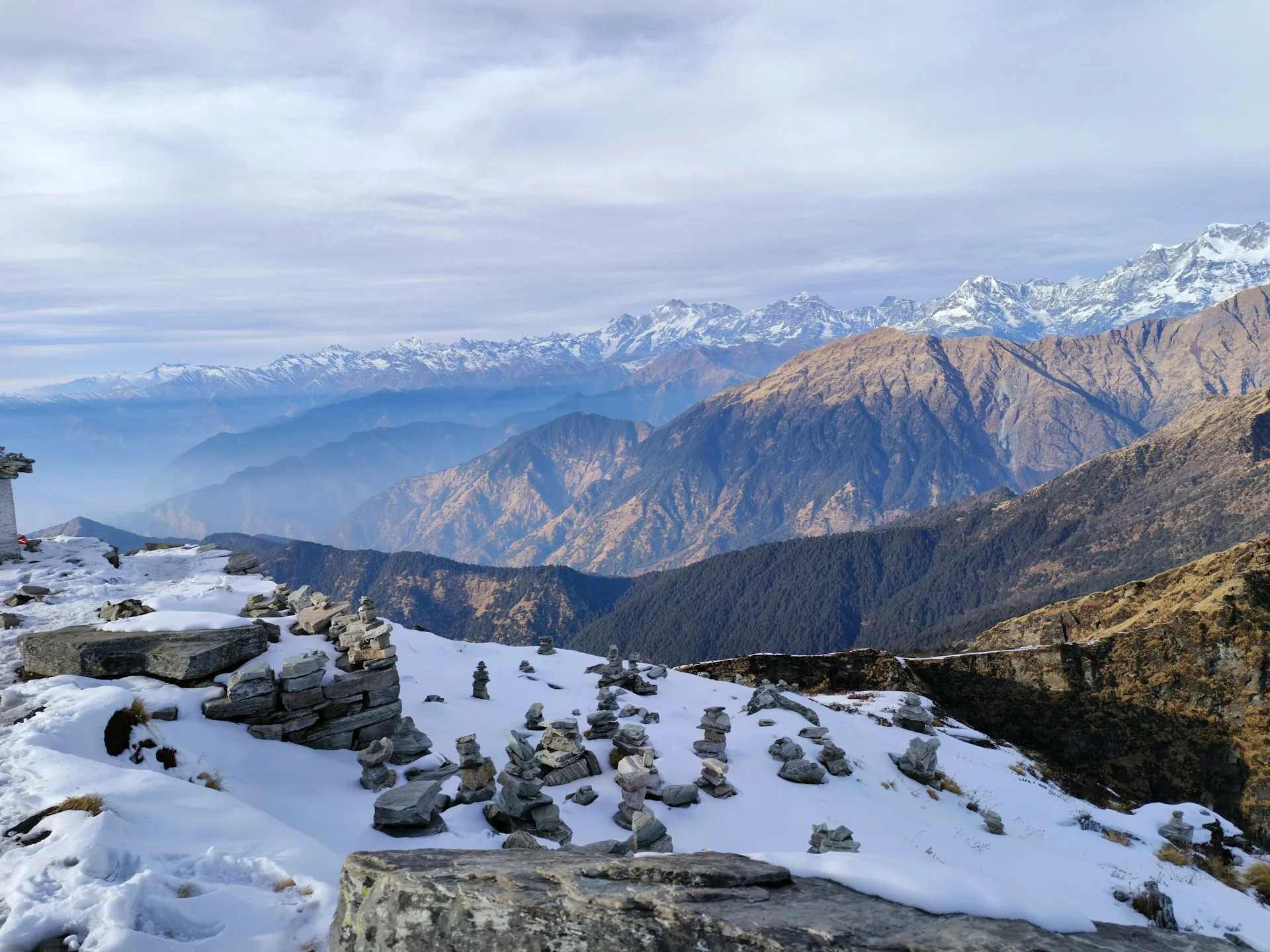
Between December and February, Chopta transforms into a snow-covered landscape. Snow trekking becomes a big draw during this window, though trails can occasionally close depending on snowfall intensity.
5. Trying Garhwali Food
Don’t skip the local dhabas here. Dishes like Aloo ke Gutke (spiced potatoes) and Mandua Roti (finger millet flatbread) are Garhwali staples, and eating them hot at a roadside dhaba in the cold mountain air is its own kind of experience.
Places to Visit Around Chopta Hill Station
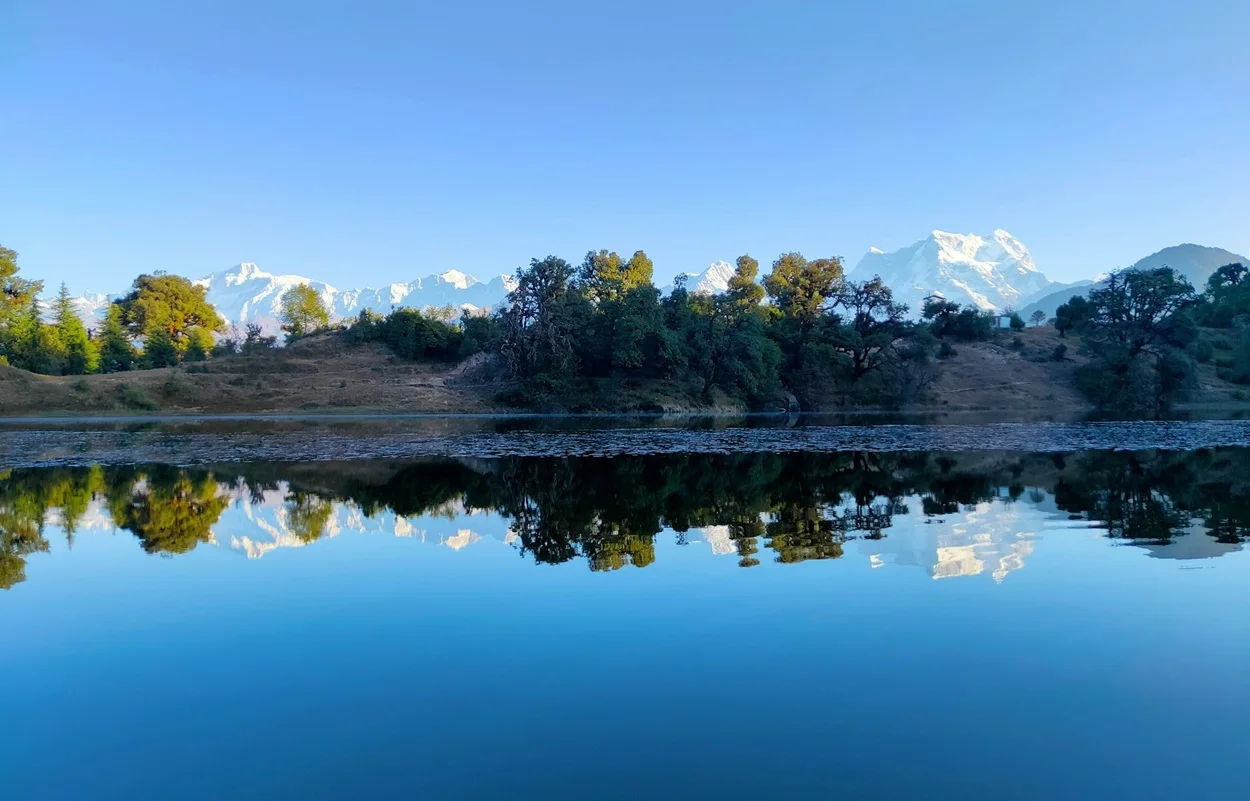
- Deoriatal Lake — famous for its near-perfect mirror reflection of Chaukhamba peak on clear mornings.
- Ukhimath — the winter seat of Lord Kedarnath, worth a visit for its temple and quieter pace.
- Kanchula Korak Musk Deer Sanctuary — a lesser-visited spot dedicated to conserving the Himalayan musk deer.
- Rohini Bugyal — a lesser-known meadow trek, good for travelers who want an alternative to the more crowded Tungnath trail.
Chopta Hill Station Weather & Best Time to Visit
Chopta’s weather changes dramatically by season, and the experience you get depends heavily on when you visit.
- Spring/Summer (March–June): Rhododendron flowers are in full bloom and the bugyals turn a deep green. This is generally considered the most pleasant window to visit.
- Monsoon (July–September): Everything gets lush and dramatic, but this season comes with real landslide risk on the hill roads. Best avoided unless necessary.
- Winter (October–February): This is when Chopta hill station sees snowfall, sub-zero temperatures, and the start of snow trekking season. Keep in mind that while you can still trek through the snow to Chandrashila, Tungnath Temple remains closed during these months. Roads can occasionally get blocked after heavy snow, so check conditions before heading out.
Practical Survival Info for Chopta Hill Station
- Electricity: Most stays run on solar power or generators, so don’t expect round-the-clock electricity like you would in a city hotel.
- Network & Connectivity: BSNL and Jio have the most reliable coverage in the area; other networks are patchy at best.
- ATM & Cash: The last dependable ATMs are in Ukhimath or Gopeshwar — withdraw what you need before heading further up.
- Forest Entry Fee: Chopta village itself is free to visit, but the Tungnath–Chandrashila trek runs through the Kedarnath Wildlife Sanctuary, so a nominal eco-entry fee (approx. ₹150 per person) applies at the forest check-post if you’re trekking. Carry a government photo ID.
How to Reach Chopta Hill Station & How Many Days Are Needed?
Chopta is roughly 410 km from Delhi, about 210 km from Rishikesh, and accessible via Dehradun’s Jolly Grant Airport for those flying in. Most travelers drive in via Rishikesh, Devprayag, Srinagar, Rudraprayag, and Ukhimath. For a trip that covers the main trek plus a bit of exploring without feeling rushed, 3 days and 2 nights is the ideal duration — enough time to acclimatize, do the Tungnath-Chandrashila trek, and still fit in a stop at Deoriatal Lake.
If you are travelling from Delhi, check out our detailed Delhi to Chopta route and budget guide.
Frequently Asked Questions
Chopta sits at approximately 2,680 meters (8,790 ft) above sea level, while Chandrashila Peak nearby goes up to over 4,000 meters.
Yes. Chopta typically sees snowfall between December and February, making it a popular winter and snow-trekking destination.
Chopta is approximately 210 km from Rishikesh, roughly a 6–7 hour drive depending on road conditions.
No, and that’s part of its appeal. Chopta is a quiet, eco-sensitive meadow and sanctuary region with no commercial “town” area, unlike the more built-up hill stations further north.