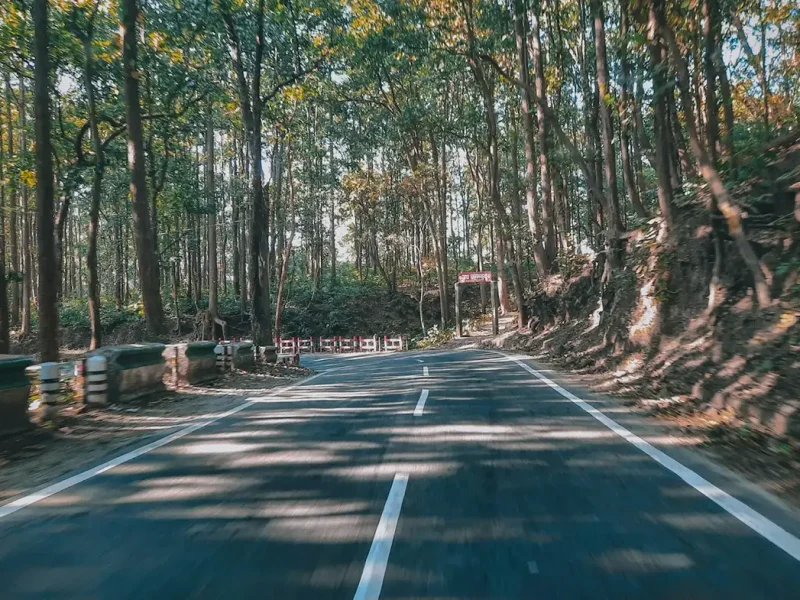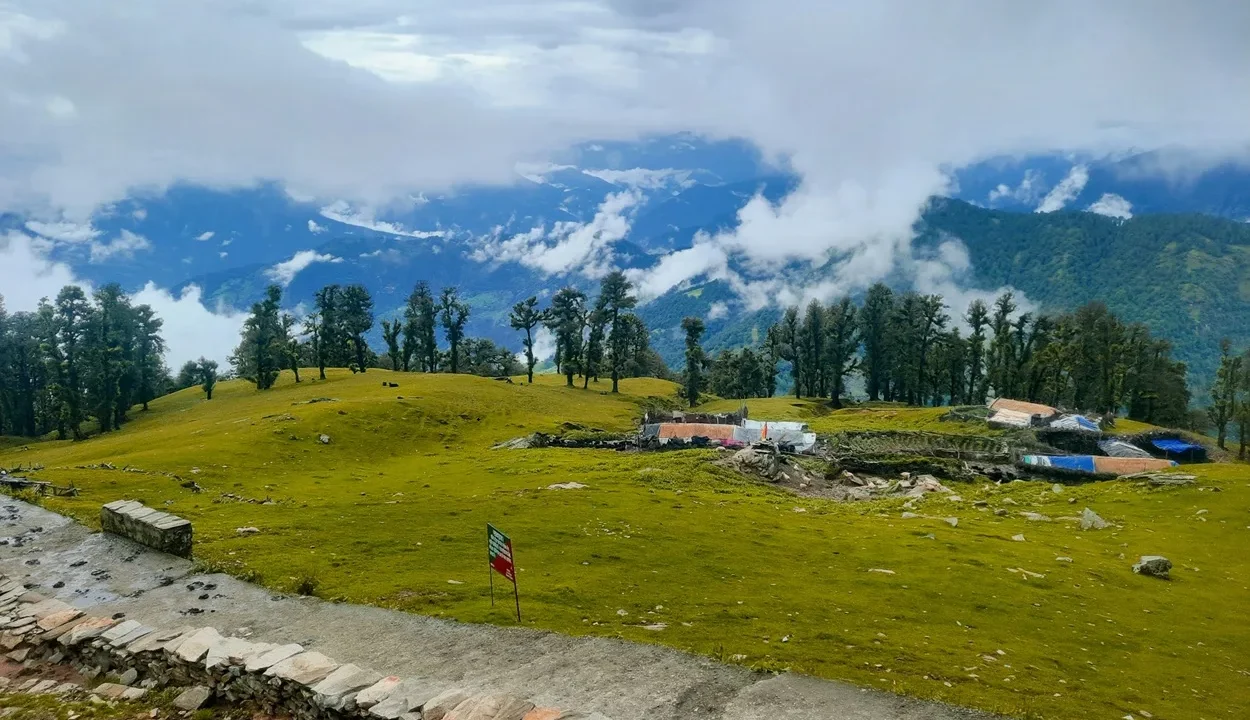
If you’ve been scrolling through Instagram reels of misty meadows and snow-capped peaks and wondering “where even is this place” — chances are you’ve stumbled onto Chopta. Tucked away in the Rudraprayag district of Uttarakhand, planning a trip from Delhi to Chopta is one of the best Himalayan road trips you can take. Rolling grasslands, pine forests, and views of Chaukhamba and Nanda Devi make the journey feel completely worth it.
This guide covers everything you’ll actually need — how to get there, when to go, what to pack, how much it’ll cost, and a day-by-day plan you can copy almost exactly.
Read our full guide on Chopta Hill Station for attractions & weather details.
Quick Summary: Delhi to Chopta at a Glance
| Distance from Delhi | Approx. 410 km |
| Travel Time (by road) | 11–13 hours |
| Best Time to Visit | April to June, and September to November |
| Ideal Trip Duration | 3 days, 2 nights |
| Nearest Railway Station | Rishikesh (Yog Nagari Rishikesh) |
| Nearest Airport | Jolly Grant Airport, Dehradun |
| Forest Entry Fee | Free to enter Chopta village/campsite; ~₹150 per person eco-fee applies only if trekking to Tungnath/Chandrashila (inside Kedarnath Wildlife Sanctuary) |
| Max Altitude (Chandrashila) | Approx. 13,000+ ft — acclimatization recommended |
| Budget (per person) | ₹4,000 – ₹8,000 depending on travel style |
How to Reach Chopta from Delhi
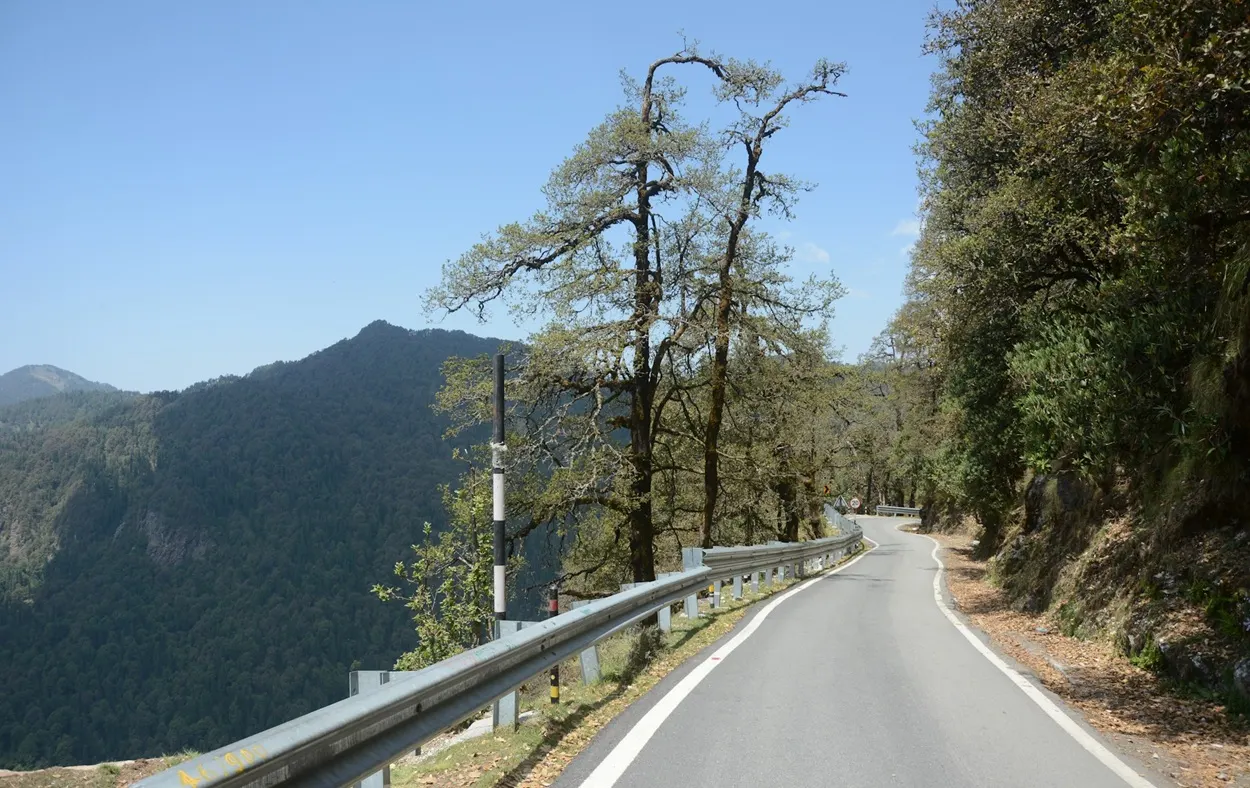
This is usually the first thing people search for, so let’s get straight into it — there are three realistic ways to get there.
By Road (Self-Drive, Bike, or Cab)
This is by far the most popular option, especially if you’re travelling with friends or family. The route looks like this:
Delhi → Haridwar → Rishikesh → Devprayag → Srinagar → Rudraprayag → Ukhimath → Chopta
It’s roughly 410 km and takes anywhere between 11 to 13 hours depending on traffic near Haridwar and road conditions past Rudraprayag. A lot of people choose to leave Delhi late at night so they wake up somewhere around Rishikesh or Devprayag — it cuts down on daytime traffic and you get to enjoy the mountain stretch in daylight. If you’re driving yourself, keep in mind that the roads get narrow and winding after Ukhimath, so night driving on that last stretch isn’t recommended, especially in monsoon or winter.
By Bus (Best for Budget Travellers)
If you don’t want to drive, you can catch a bus from Kashmiri Gate ISBT heading towards Rishikesh, Ukhimath, or Gopeshwar. From Ukhimath or Rudraprayag, shared taxis and jeeps run regularly to Chopta and are pretty easy to find near the local taxi stands.
By Train or Flight
The nearest railway station is Yog Nagari Rishikesh (Haridwar also works as a backup). If you’d rather fly, Jolly Grant Airport in Dehradun is your closest option. From either point, you’ll need to arrange a cab or shared taxi for the rest of the journey to Chopta.
Best Time to Visit Chopta
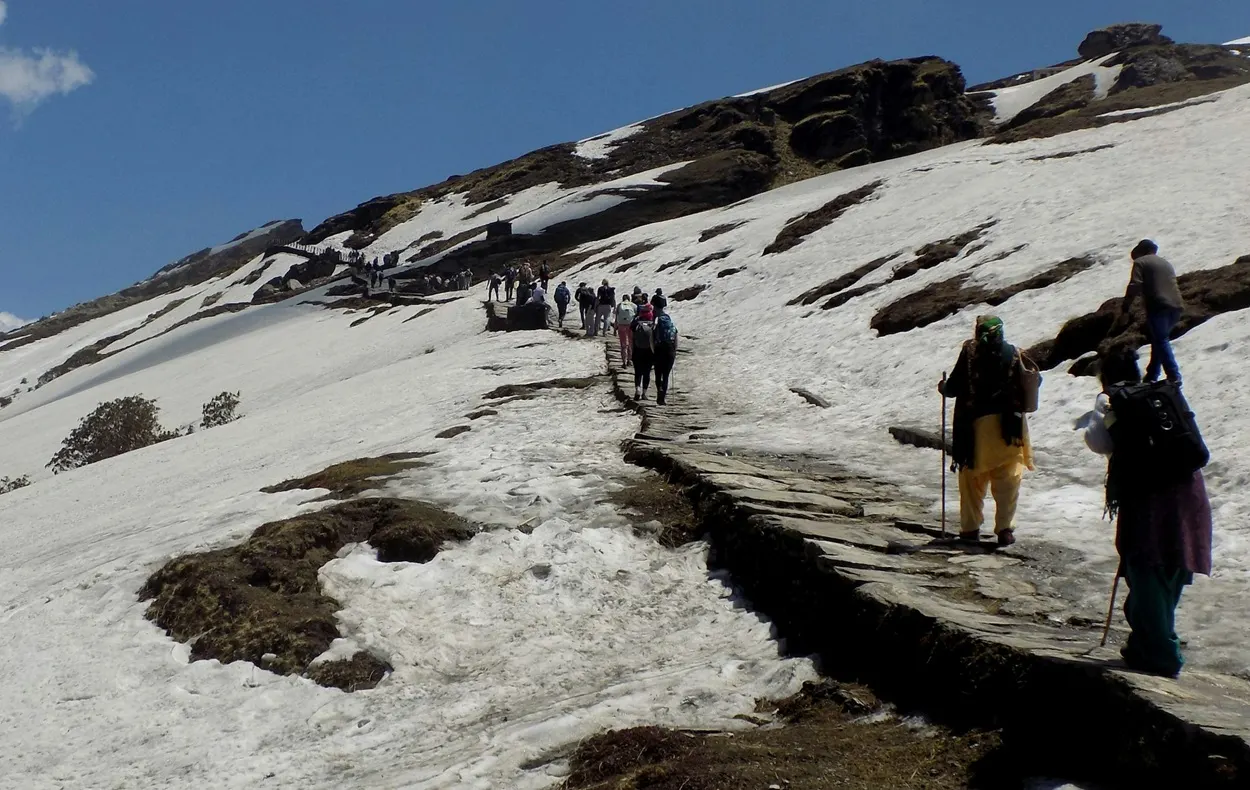
Chopta looks completely different depending on when you visit, so it really comes down to what kind of experience you’re after.
- Summer (April–June): This is peak season for a reason. The weather is pleasant, the meadows (locally called bugyals) are lush and green, and trekking conditions are at their best.
- Winter (December–March): If you’re chasing snow, this is your window. Chopta gets beautifully snow-covered, but be aware that roads beyond Ukhimath can get blocked after heavy snowfall, so always check conditions before you leave.
- Monsoon (July–September): Honestly, it’s best to just avoid this season. Landslides are common on the hill roads, and visibility during the trek can be poor. Not worth the risk unless you have no other option.
Ideal 3-Day Itinerary for Chopta
Day 1: Delhi to Chopta
Start your drive in the evening or late night from Delhi. Most people reach Chopta by afternoon the next day after a quick breakfast stop around Devprayag or Srinagar. Once you arrive, spend the evening relaxing, taking in the view, and getting used to the altitude before your trek the next day.
Day 2: Tungnath Trek and Chandrashila Peak
This is the highlight of the trip. The trek to Tungnath is about 3.5 km from Chopta and is fairly manageable even for beginners. From Tungnath, most trekkers continue further up to Chandrashila Peak for a full 360-degree Himalayan panorama — this part is steeper, so pace yourself. Head back down to Chopta by evening.
💡 Is there an entry fee for Chopta?
Strictly speaking, no — driving to Chopta, staying at a campsite, or just walking around the market and viewpoints doesn’t cost anything. That’s why most YouTube vlogs say “Chopta is free.” But the moment you start the actual Tungnath–Chandrashila trek, you’ll pass a Uttarakhand Forest Department check-post, because the trail runs through the Kedarnath Wildlife Sanctuary. There, you’ll pay a nominal eco-entry fee (approx. ₹150 per Indian national) and show a photo ID before proceeding.
⚠️ High-Altitude Note (AMS Warning):
Chandrashila sits at over 13,000 feet. If you’re driving directly from Delhi’s near sea-level elevation to Chopta in about 12 hours, your body doesn’t get much time to adjust. Drink plenty of water, avoid alcohol and smoking on the trek day, and don’t rush the uphill sections. If you experience a severe headache, dizziness, or nausea at any point, stop and descend rather than pushing through — altitude sickness gets worse, not better, if ignored.
Day 3: Deoriatal Lake and Return to Delhi
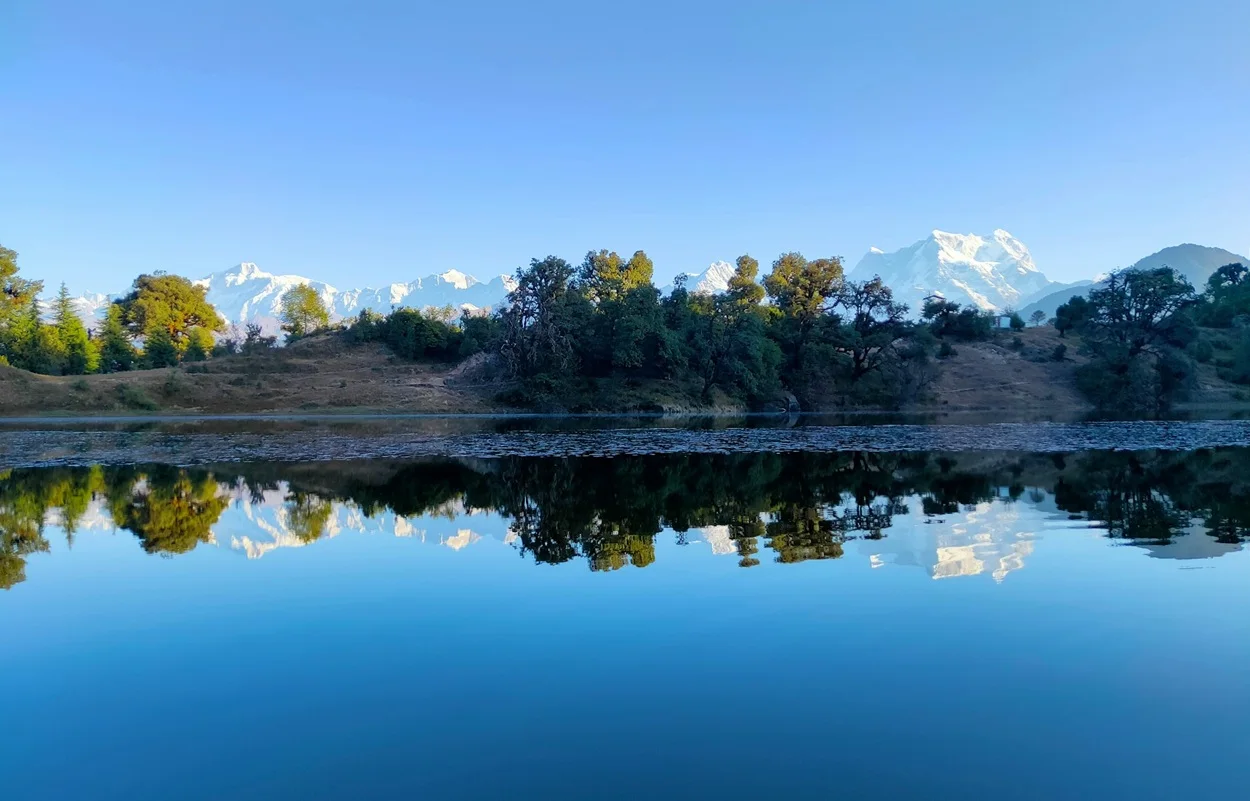
On your last day, take a detour to Deoriatal Lake via Sari Village. It’s a shorter, easier trek and the lake’s reflection of Chaukhamba peak on a clear morning is worth the early start. After that, begin your drive back to Delhi.
Places to Visit Near Chopta
- Tungnath Temple — the highest Shiva temple in the world, and one of the Panch Kedar temples.
- Chandrashila Peak — unmatched views of the Himalayan range from the top.
- Deoriatal Lake — a serene alpine lake near Sari Village, popular for camping too.
- Ukhimath — known as the winter seat of Lord Kedarnath and Madhmaheshwar.
- Kanchula Korak Musk Deer Sanctuary — a quieter spot for nature lovers, home to the elusive musk deer.
Where to Stay in Chopta
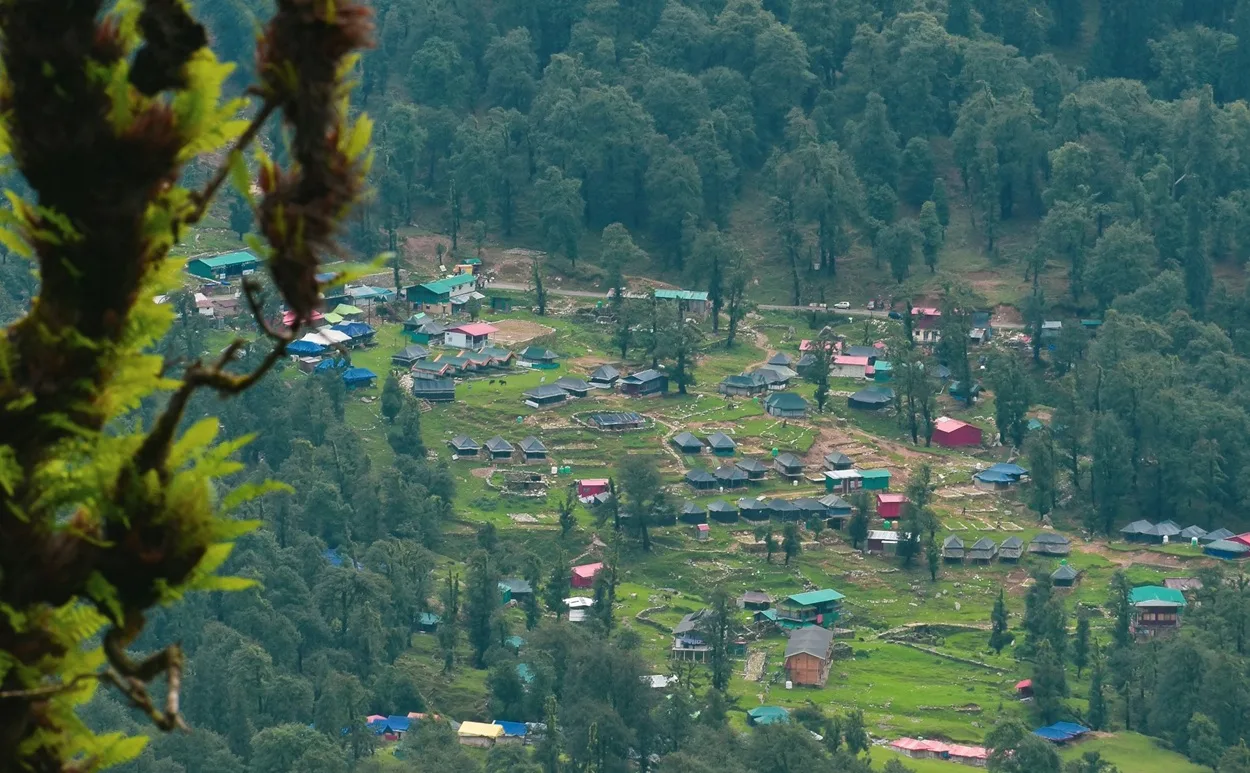
Accommodation in Chopta is fairly simple, and that’s part of its charm. You’ll mostly find Swiss tent camps, budget homestays, and a handful of eco-lodges. A quick heads-up before you book: electricity can be irregular, and mobile network is limited — BSNL and Jio work in patches, but don’t count on a strong signal throughout your stay. It’s a good excuse to disconnect for a couple of days, honestly.
Chopta Trip Budget Breakdown
| Expense | Solo Traveller | With Friends (Shared) |
|---|---|---|
| Transport (Fuel/Bus) | ₹2,500 – ₹3,500 | ₹1,200 – ₹2,000 per person |
| Stay (2 nights) | ₹1,500 – ₹2,500 | ₹800 – ₹1,500 per person |
| Food | ₹800 – ₹1,200 | ₹800 – ₹1,200 per person |
| Forest Entry Fee (trek only) | ~₹150 (per person, approx.) | ~₹150 per person (approx.) |
| Total (approx.) | ₹4,950 – ₹7,350 | ₹2,950 – ₹4,850 per person |
Essential Travel Tips and Packing List
- Network: BSNL and Jio work reasonably well; Airtel is unreliable in this region.
- Cash: The last dependable ATMs are in Ukhimath or Gopeshwar, so withdraw cash before heading further up — you’ll also need cash for the forest entry fee at the check-post if you’re trekking.
- ID proof: Carry a government-issued photo ID (Aadhaar card works) — it’s required at the forest check-post before you start the Tungnath trek.
- Packing essentials: Warm layers (even in summer, nights get cold), sturdy trekking shoes, a raincoat, a fully charged power bank, and basic medication including something for altitude discomfort.
- Toilets on the trek: Facilities are basic and limited to a few points near Tungnath temple — there’s nothing en route to Chandrashila, so plan accordingly before you start the climb.
- Garbage and eco-rules: The area falls under a protected wildlife sanctuary, so carrying plastic waste back down with you is expected, and littering can attract fines. Carry a small bag for your own trash.
- Fuel up: Fill your tank in Rudraprayag or Ukhimath — petrol pumps get scarce beyond that point.
Accessibility: Can Seniors or Kids Do This Trek?
Yes, with some planning. Ponies and mules are available at the Chopta base for the Tungnath trek, usually costing around ₹1,500–₹2,500 for a return trip, which makes it manageable for elderly travellers or younger kids. Keep in mind, though, that the last 1.5 km stretch from Tungnath to Chandrashila Peak is steep, rocky, and has to be done on foot — ponies can’t go that far. If reaching the peak itself isn’t essential, Tungnath temple alone is a satisfying trek for most fitness levels.
Ready to explore Chopta?
Chopta is one of the most rewarding and accessible Himalayan treks you can take from Delhi. If you have any questions about bus timings, road conditions, or stay options, drop a comment below and I’ll be happy to help!
Frequently Asked Questions
Yes, Chopta is generally considered safe, and it’s become a popular spot for solo travellers, including women. That said, standard precautions apply — inform someone of your itinerary, avoid trekking alone after dark, and book accommodation with good reviews.
Yes, but it depends on the snowfall. In heavy snow years, the trail can be closed for safety reasons or require proper winter gear and local guidance. It’s best to check with local homestay owners or the forest department before attempting it in peak winter.
It’s possible, but tight. Two days lets you do the Tungnath-Chandrashila trek comfortably, but you’ll likely have to skip Deoriatal Lake or rush through it. Three days gives you a much more relaxed experience.
You don’t need a formal inner-line permit to visit Chopta itself — the village, road, and campsites are free to access, which is why most vloggers say there’s no fee. But once you start the actual trek toward Tungnath and Chandrashila, you’ll pass through a Forest Department check-post since the trail lies inside the Kedarnath Wildlife Sanctuary. There, you’ll pay a nominal eco-entry fee (approx. ₹150 per person for Indian nationals) and need to show a government photo ID (Aadhaar works fine). Rates can change, so it’s worth confirming the exact amount at the check-post itself.
Anywhere from 2 to 6 people works well — it keeps travel costs low when shared and is manageable for accommodation and local transport in Chopta.