Rishikesh isn’t a place you just look at — it’s a place you do things in. Raft a rapid, jump off an 83-meter platform, sit through a sunrise you didn’t think was worth waking up for, or just drop into a yoga class you found five minutes ago. This guide skips the sightseeing-list approach and focuses entirely on experiences: what to actually do here, what it costs, how long it takes, and the one tip that makes each one go smoother.
Things to Do in Rishikesh: Quick Reference Table
| Activity | Best Time | Cost Range | Effort Level |
|---|---|---|---|
| White Water Rafting | Sept–Nov, Mar–May | ₹500–₹1,800 | Moderate |
| Bungee Jumping | Year-round (weather permitting) | ₹3,500–₹4,500 | High (mental), Low (physical) |
| Giant Swing / Flying Fox | Year-round | ₹1,500–₹3,000 | Moderate |
| Cliff Jumping | Sept–May | Often bundled with rafting | Moderate |
| Riverside Camping | Sept–May | ₹1,500–₹3,500/night | Low |
| Ganga Aarti (Triveni Ghat/Parmarth) | Year-round, sunset | Free | Low |
| Beatles Ashram Visit | Year-round | ₹150–₹600 | Low |
| Kunjapuri Sunrise Trek | Year-round (clearest Oct–Mar) | ₹1,500–₹2,500 (taxi) | Low |
| Neer Garh Waterfall Hike | Oct–Jun | Nominal entry | Low–Moderate |
| Rajaji National Park Safari | Nov–Jun (closed monsoon) | ₹2,500–₹4,500 | Low |
| Yoga/Meditation Drop-in Class | Year-round | ₹300–₹1,000/session | Low |
| Ayurvedic Massage | Year-round | ₹1,000–₹3,000 | Low |
| Sattvic Cooking Class | Year-round | ₹800–₹2,000 | Low |
| Café Crawl in Tapovan | Year-round | ₹500–₹1,000/meal | Low |
Adrenaline & Adventure Activities
1. White Water Rafting on the Ganges
Rishikesh’s signature activity, with three main stretches to choose from: Brahmpuri (9 km, beginner-friendly), Shivpuri (16 km, a solid mix of rapids), and Marine Drive (26 km, the longest and most varied run).
- Best For: Groups, thrill seekers, first-time rafters
- Estimated Cost: ₹500–₹1,800 depending on stretch length and operator
- Time Needed: 2–4 hours depending on the route
- Pro-Tip: Book a day ahead online — Saturday morning slots fill up fast in peak season (September to June; rafting is suspended during monsoon).
2. Bungee Jumping & Giant Swing at Mohan Chatti
India’s highest bungee platform at 83 meters, run by an established operator on the outskirts of town. The Giant Swing next door offers a similarly extreme drop with a different sensation — a pendulum swing rather than a straight fall.
- Best For: Thrill seekers, solo travelers ticking off a bucket-list item
- Estimated Cost: ₹3,500–₹4,500 for bungee; combo packages with Giant Swing and Flying Fox often work out cheaper than booking separately
- Time Needed: 2–3 hours including briefing and gear-up
- Pro-Tip: Check the operator’s weight and age restrictions before traveling out to the site — these are strictly enforced and pricing is periodically revised, so confirm current rates when booking.
3. Cliff Jumping & Ziplining Over the River
Available at several points along the Shivpuri riverbank, usually as an add-on during a rafting trip or camping stay — a shorter, sharper thrill than the full bungee experience.
- Best For: Rafting groups looking to extend the adventure
- Estimated Cost: Often bundled into rafting or camping packages; standalone pricing varies by operator
- Time Needed: 30–60 minutes
- Pro-Tip: Ask your rafting operator if cliff jumping is included in the route — it often is on the Shivpuri stretch specifically.
4. Camping Under the Stars in Shivpuri or Byasi
Riverside beach camps set up along the Ganga, with bonfires and genuinely good stargazing once you’re away from town lights.
- Best For: Couples, groups, anyone wanting to break up a rafting day
- Estimated Cost: ₹1,500–₹3,500 per night depending on camp quality and meal inclusions
- Time Needed: Overnight
- Pro-Tip: Pairing an overnight camp with a rafting trip the same day is more efficient than doing them as separate outings.
Spiritual & Cultural Experiences
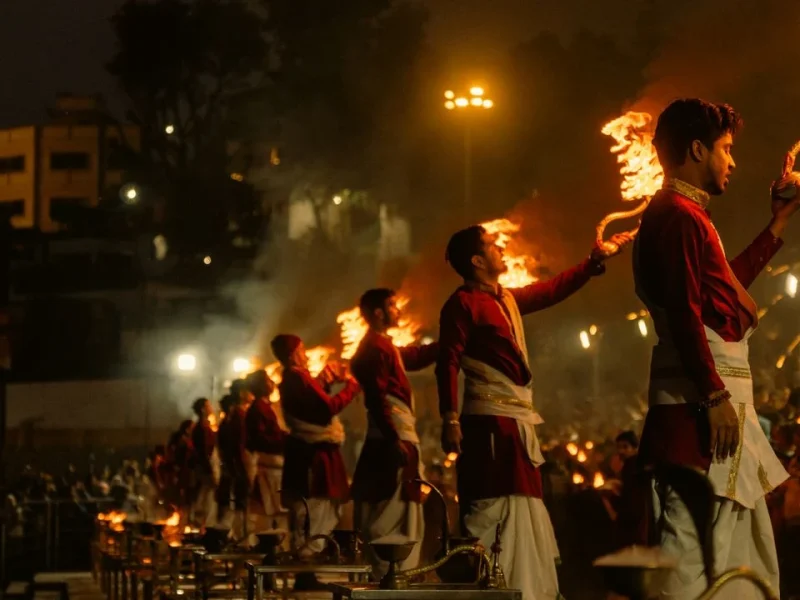
5. Attend the Sunset Ganga Aarti
Triveni Ghat’s Aarti is the bigger, more crowded, classically “iconic” version; Parmarth Niketan’s ashram-hosted Aarti is quieter and arguably more atmospheric, held on the ashram’s own private ghat.
- Best For: Everyone — genuinely works for solo travelers, couples, and families alike
- Estimated Cost: Free
- Time Needed: 1 hour
- Pro-Tip: Reach Triveni Ghat by 5:30 PM to get a good spot; if you’d rather skip the crowd, Parmarth Niketan is the calmer alternative.
6. Explore Street Art & History at Beatles Ashram
The abandoned ashram where the Beatles stayed in 1968, now covered in vivid graffiti and street art across its old meditation huts, set inside the edge of Rajaji National Park.
- Best For: Music history fans, photographers
- Estimated Cost: ₹150 (Indians) / ₹600 (foreigners), approximate — confirm current rates locally
- Time Needed: 1.5–2 hours
- Pro-Tip: Go early morning for the best light on the murals and far fewer people in your shots.
7. Cross the Iconic Suspension Bridges
Ram Jhula remains a fully working pedestrian bridge, Janki Jhula is the newer, more spacious crossing between Swarg Ashram and Muni Ki Reti, and Bajrang Setu — a newly built glass-floored bridge — now serves the crossing that Laxman Jhula used to, since Laxman Jhula itself has been permanently closed to the public for safety reasons.
- Best For: First-time visitors, photographers
- Estimated Cost: Free
- Time Needed: 1–1.5 hours to walk all three
- Pro-Tip: Don’t plan a trip around visiting the old Laxman Jhula — it’s closed. Bajrang Setu is the crossing to head for instead.
8. Meditate in Silence at Vashishta Gufa
A naturally cool cave on the riverbank, associated with the sage Vashishta, and genuinely one of the quietest spots in the entire Rishikesh area for a few minutes of stillness.
- Best For: Solo travelers, meditation practitioners
- Estimated Cost: Free
- Time Needed: 30–60 minutes
- Pro-Tip: It’s about 20 km out — combine it with a Byasi or Shivpuri stop since they sit along the same stretch of riverbank.
Wellness, Yoga & Self-Care
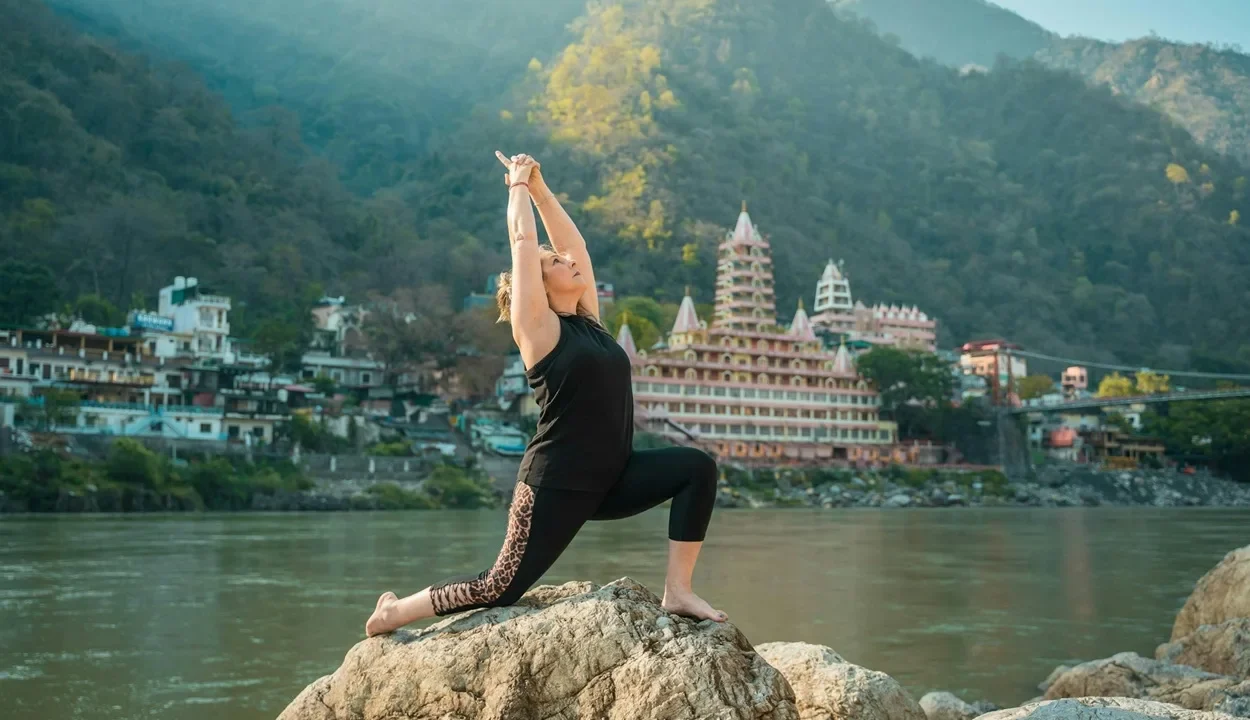
9. Drop-in Yoga & Meditation Classes in Tapovan
Rishikesh earned its “Yoga Capital of the World” title honestly — schools like Rishikesh Yog Peeth and Anand Prakash, alongside dozens of smaller local shalas, offer single-session drop-in classes with no long-term commitment needed.
- Best For: Solo travelers, wellness-focused visitors
- Estimated Cost: ₹300–₹1,000 per session depending on the school
- Time Needed: 1–1.5 hours per class
- Pro-Tip: Walk in the evening before to check class schedules — most shalas post them outside, and early morning sessions (6–7 AM) tend to be the least crowded.
10. Get a Traditional Ayurvedic Abhyanga Massage
A full-body herbal oil massage rooted in Ayurvedic practice, widely available across Tapovan and Swarg Ashram at everything from budget clinics to higher-end wellness centers.
- Best For: Anyone recovering from a trek or rafting session, or just wanting to slow down for an afternoon
- Estimated Cost: ₹1,000–₹3,000 depending on the center and session length
- Time Needed: 1–1.5 hours
- Pro-Tip: Ask about the practitioner’s training background before booking — quality varies significantly between budget parlors and dedicated Ayurvedic centers.
11. Join a Sattvic Cooking Class
A hands-on workshop, often run out of a local home or small café kitchen, teaching Rishikesh’s signature sattvic (pure vegetarian, no onion-garlic) cooking style.
- Best For: Food-curious travelers, couples
- Estimated Cost: ₹800–₹2,000 depending on class length and group size
- Time Needed: 2–3 hours
- Pro-Tip: Smaller, home-run classes tend to feel more personal and are often cheaper than café-hosted ones — worth asking around rather than booking the first listing you find.
Nature Escapes & Treks
12. Kunjapuri Temple Sunrise Trek
A short trek up to a hilltop temple with genuinely panoramic Himalayan views at sunrise — one of the most rewarding early mornings you can spend near Rishikesh.
- Best For: Early risers, photographers
- Estimated Cost: ₹1,500–₹2,500 for a round-trip taxi from central Rishikesh
- Time Needed: Half day (pre-dawn start, back by mid-morning)
- Pro-Tip: Hire a taxi by 4:30 AM to reach the top before dawn — cutting it closer risks missing the actual sunrise.
13. Hike to Neer Garh & Patna Waterfalls
Neer Garh is the more accessible, popular option with natural pools and roadside chai stalls along the trail; Patna Waterfall is the quieter, less crowded alternative nearby.
- Best For: Casual hikers, families
- Estimated Cost: Nominal entry fee, a few hundred rupees
- Time Needed: 2–3 hours
- Pro-Tip: Best visited post-monsoon (October onward), when water flow is strong but the trail isn’t slippery.
14. Jeep Safari in Rajaji National Park
A genuine wildlife safari right at the edge of Rishikesh, with chances of spotting wild elephants, tigers, and a wide range of Himalayan bird species.
- Best For: Wildlife enthusiasts, families
- Estimated Cost: ₹2,500–₹4,500 per jeep, shared among the group
- Time Needed: 3–4 hours
- Pro-Tip: Book the earliest available morning slot — sighting chances are consistently better than afternoon safaris, and the park closes entirely during monsoon (roughly mid-June to mid-November).
Café Hopping & Sunset Chill
15. Riverside Café Crawl in Tapovan
Little Buddha Cafe, Beatles Cafe, and Freedom Cafe anchor Tapovan’s café scene, each with river-facing seating that turns golden around sunset.
- Best For: Solo travelers, backpackers, sunset chasers
- Estimated Cost: ₹500–₹1,000 per meal
- Time Needed: 2–3 hours for a proper crawl
- Pro-Tip: Little Buddha Cafe’s rooftop fills up fast by sunset — arrive slightly before golden hour to get a table.
Eat Local Sattvic Thalis & Street Snacks
Chotiwala’s thali is a Rishikesh institution near the ghats, and simple aloo puri or fresh fruit lassi from a street stall is as much a part of the experience as any sit-down meal. Since Rishikesh is strictly vegetarian and alcohol-free, expect the entire food scene — from street stalls to the fanciest café — to follow that rule without exception.
2-Day Budget Breakdown
| Category | Backpacker | Mid-Range |
|---|---|---|
| Accommodation (2 nights) | ₹1,000–₹2,000 | ₹4,000–₹8,000 |
| Food | ₹800–₹1,200 | ₹2,000–₹3,000 |
| One Adventure Activity (rafting or bungee) | ₹800–₹1,800 | ₹1,800–₹4,500 |
| Local Transport | ₹300–₹500 | ₹800–₹1,500 |
| Approximate Total | ₹2,900–₹5,500 | ₹8,600–₹17,000 |
These are rough per-person estimates for two days — actual costs shift with season, choice of operator, and how many adventure activities you stack into the trip.
Do’s and Don’ts in Rishikesh
- Do dress modestly at ghats and temples — shoulders and knees covered is the general rule, for both men and women.
- Don’t expect to find alcohol anywhere in town — Rishikesh is a strictly dry, vegetarian holy town, no exceptions.
- Do carry a reusable water bottle and avoid single-use plastic near the riverbanks — this is actively discouraged and, in some areas, restricted.
- Don’t litter or leave waste at camping spots — the riverside camping culture here depends on visitors keeping it clean.
- Do book rafting and bungee slots a day or two ahead in peak season rather than assuming walk-in availability.
- Don’t plan your trip around the old Laxman Jhula — it’s permanently closed; Bajrang Setu is the current crossing.
Frequently Asked Questions
Attend the evening Ganga Aarti at Triveni Ghat, go white water rafting on the Brahmpuri or Shivpuri stretch, and walk through the Beatles Ashram — together they cover Rishikesh’s spiritual, adventure, and cultural sides in a single day if needed.
Yes, for the core experience — one day for rafting plus a waterfall or trek, and one day for the ghats, Beatles Ashram, and café-hopping. Add a third day if you want to fit in bungee jumping, a yoga class, or the Kunjapuri sunrise trek without rushing.
Rafting typically runs ₹500–₹1,800 depending on the stretch, while bungee jumping at Mohan Chatti costs roughly ₹3,500–₹4,500. Both are periodically revised, so confirm current pricing directly with operators when booking.
Options are genuinely limited given the dry-town policy and early-closing culture — the evening Ganga Aarti at sunset, a quiet riverside dinner in Tapovan, or simply sitting by the ghats are the realistic choices. This isn’t a nightlife destination, and that’s largely intentional.