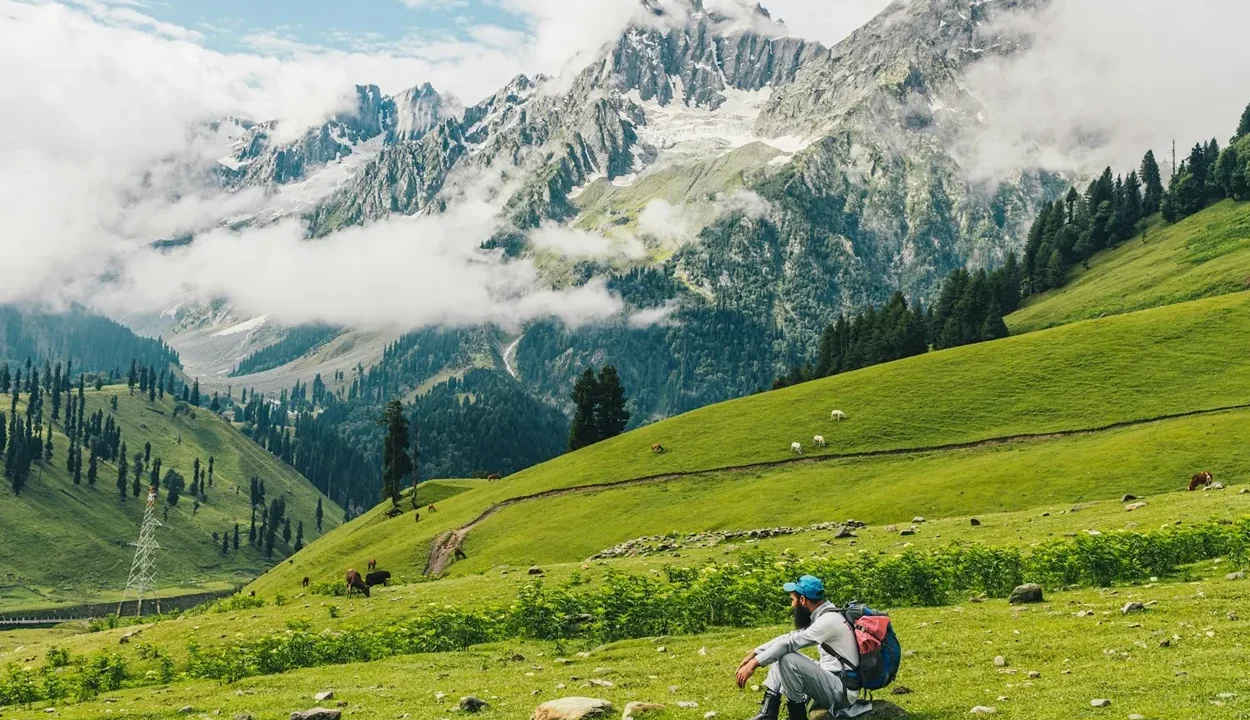
“Mountain places in India” is a bigger question than Shimla and Manali. The country’s ranges span three completely different mountain systems — the snow-capped western Himalayas, the tea-and-monastery hills of the northeast, and the misty, moderate-climate Western Ghats and Nilgiris down south. This guide covers all three, organized by region and by what kind of mountain trip you’re actually after: snow, trekking, or a quiet green escape.
Quick Guide: Best Mountain Places to Visit in India
| Mountain Destination | State/Region | Best Known For | Ideal Season |
|---|---|---|---|
| Gulmarg & Pahalgam | Jammu & Kashmir | Snow, skiing & gondola ride | Dec–Mar (snow), Apr–Jun (green) |
| Manali & Spiti Valley | Himachal Pradesh | Adventure sports, high-altitude desert | Mar–Jun, Sep–Nov (Spiti: Jun–Sep) |
| Auli & Chopta | Uttarakhand | Skiing, meadow treks, Himalayan views | Apr–Jun, Sep–Nov, Dec–Feb (snow) |
| Darjeeling & Kalimpong | West Bengal | Kanchenjunga views, Toy Train, tea gardens | Mar–May, Oct–Dec |
| Gangtok & Pelling | Sikkim | Sacred lakes, monasteries, mountain views | Mar–Jun, Oct–Dec |
| Tawang & Shillong | Arunachal Pradesh / Meghalaya | Offbeat passes, monasteries, tribal culture | Mar–Oct (Tawang), Oct–Apr (Shillong) |
| Munnar & Vagamon | Kerala | Tea plantations, Shola forests | Sep–Mar |
| Ooty & Coonoor | Tamil Nadu | Nilgiri Mountain Railway, pine forests, lakes | Sep–Jun |
| Coorg & Chikmagalur | Karnataka | Coffee estate hills, misty peaks | Oct–Mar |
Northern Himalayas: Snow, Glaciers & Adventure
1. Gulmarg & Pahalgam, Jammu & Kashmir — Snow Capital of India
Why Visit: Gulmarg is genuinely the best place in India for snow lovers and winter skiing, with sweeping views of the Pir Panjal range; Pahalgam adds a quieter valley setting nearby, popular for both scenery and gentler walks.
Top Mountain Experience: Ride the Gulmarg Gondola’s Phase 2 up to Apharwat Peak at 13,780 ft — one of the highest cable car rides in the world.
Best Time to Visit: December to March for heavy snow and skiing; April to June for lush green meadows once the snow melts.
How to Reach: Fly to Srinagar Airport (about 56 km away), then hire a taxi up to Gulmarg; Pahalgam is a further drive from Srinagar.
2. Manali & Spiti Valley, Himachal Pradesh
Why Visit: Manali covers the adventure-sports base most travelers expect — paragliding, rafting, and Solang Valley’s snow activities — while Spiti Valley, just beyond, delivers a stark, cold high-altitude desert landscape that feels closer to Ladakh than to the rest of Himachal.
Top Mountain Experience: The drive from Manali toward Spiti via Kunzum Pass, or a shorter Rohtang Pass excursion if time is limited.
Best Time to Visit: March to June and September to November for Manali; Spiti Valley is really only accessible June to September, once mountain passes clear of snow.
How to Reach: Nearest airport is Bhuntar (Kullu), well connected by Volvo buses from Delhi ISBT; Spiti requires an additional multi-day road journey from Manali or via Shimla-Kinnaur.
3. Auli & Chopta, Uttarakhand
Why Visit: Auli is India’s premier skiing destination with ropeway views that rival the Alps; Chopta, further south, is the base for the Tungnath-Chandrashila trek, one of the country’s most rewarding short hikes.
Top Mountain Experience: The Auli-Joshimath ropeway crossing snow-covered slopes, or the Tungnath-Chandrashila trek’s 360-degree Himalayan summit views at Chopta.
Best Time to Visit: April to June and September to November for both; December to February for snow-focused visits, though Tungnath Temple closes for winter during this window.
How to Reach: Nearest railway station for both is Rishikesh; nearest airport is Jolly Grant, Dehradun.
Planning specifically around Chopta? Our Chopta Hill Station guide and Delhi to Chopta route guide cover the full itinerary and budget breakdown.
Eastern & North-Eastern Himalayas: Tea Gardens & Monasteries
4. Darjeeling & Kalimpong, West Bengal
Why Visit: Darjeeling built its reputation on tea and views — Tiger Hill’s sunrise over Kanchenjunga is one of India’s classic mountain moments — while Kalimpong nearby offers a quieter, less touristy version of the same hill-station charm.
Top Mountain Experience: Sunrise at Tiger Hill, followed by a ride on the historic Darjeeling Himalayan Railway (the toy train).
Best Time to Visit: March to May and October to December, when skies are clearest for Kanchenjunga views.
How to Reach: Nearest airport is Bagdogra; nearest railway station is New Jalpaiguri (NJP), with the toy train connecting onward from Siliguri.
5. Gangtok & Pelling, Sikkim
Why Visit: Gangtok pairs monastery visits and sacred alpine lakes with a genuinely walkable, café-friendly town center; Pelling offers some of the most direct Kanchenjunga views in the region without Darjeeling’s crowds.
Top Mountain Experience: Tsomgo Lake (Changu Lake), a sacred glacial lake near Gangtok, alongside the Himalayan panorama visible from Pelling on a clear day.
Best Time to Visit: March to June and October to December.
How to Reach: Nearest airport is Bagdogra (or Pakyong Airport nearer Gangtok, with more limited flight connectivity); road journey required from either.
6. Tawang & Shillong, Arunachal Pradesh & Meghalaya
Why Visit: Tawang is one of India’s most offbeat high-altitude destinations, home to one of the largest Buddhist monasteries in the country and dramatic mountain passes; Shillong offers a completely different northeastern experience — cooler, café-driven, and shaped by Meghalaya’s distinct Khasi culture.
Top Mountain Experience: Sela Pass en route to Tawang, and Tawang Monastery itself; in Shillong, Ward’s Lake and the surrounding pine-forested hills.
Best Time to Visit: March to October for Tawang (winter brings heavy snow and road closures); October to April for Shillong’s most pleasant weather.
How to Reach: Nearest airport for both is Guwahati, followed by a long road journey — Tawang specifically requires permits for both domestic and foreign travelers, arranged in advance.
Western Ghats & Nilgiris: Misty, Green & Moderate Climate
7. Munnar & Vagamon, Kerala
Why Visit: Munnar’s rolling tea estates are among the most photographed hill landscapes in South India; Vagamon nearby adds Shola forest patches and a quieter, less commercial pace.
Top Mountain Experience: A walk through the tea plantations at Kolukkumalai, among the highest tea estates in the world.
Best Time to Visit: September to March, when the weather is coolest and clearest.
How to Reach: Nearest airport is Kochi (about 130 km); regular buses and cabs connect from Kochi and Ernakulam.
8. Ooty & Coonoor, Tamil Nadu
Why Visit: Ooty remains the Nilgiris’ most iconic hill station, with the UNESCO-listed Nilgiri Mountain Railway connecting it to quieter, greener Coonoor nearby.
Top Mountain Experience: The Nilgiri Mountain Railway’s toy-train journey between Mettupalayam and Ooty, passing through Coonoor along the way.
Best Time to Visit: September to June, avoiding the heaviest of the southwest monsoon months.
How to Reach: Nearest airport is Coimbatore (about 90 km); nearest railway station is Mettupalayam, connected onward by the toy train.
9. Coorg & Chikmagalur, Karnataka
Why Visit: Karnataka’s two coffee-growing hill regions — Coorg for its misty estates and Kodava culture, Chikmagalur for Mullayanagiri, the state’s highest peak, and a slightly wilder, trek-friendlier landscape.
Top Mountain Experience: A sunrise trek up Mullayanagiri in Chikmagalur, or a working coffee estate stay in Coorg.
Best Time to Visit: October to March.
How to Reach: Nearest airport for both is Mangalore; nearest railway station is Mysore.
Best Mountain Places by Season
- Best for Winter Snow: Gulmarg, Auli, Manali.
- Best for Summer Escape: Darjeeling, Ooty, Munnar, Gangtok.
- Best for Monsoon Greenery: Coorg, Munnar, Chikmagalur.
Essential Mountain Travel Tips in India
Acute Mountain Sickness (AMS)
High-altitude destinations like Leh, Spiti Valley, and Tawang carry a real risk of altitude sickness. Spend at least a full day acclimatizing before pushing to higher passes or lakes, stay hydrated, and avoid heavy exertion on your first day at elevation. If you experience persistent headache, dizziness, or nausea, descend rather than push through.
Packing List
Thermal layers for snow and high-altitude destinations, UV-protective sunglasses (glare intensifies at elevation), sturdy hiking shoes with good grip, and altitude sickness medication if recommended by your doctor for high-altitude routes.
Road Safety
Hire an experienced local driver familiar with mountain roads rather than self-driving on tight hairpin bends, especially in snow-prone regions like Gulmarg, Auli, and the Manali-Spiti route — conditions change fast, and local experience with ice and switchbacks matters more than general driving skill.
Where Should You Actually Go?
- If you want snow and skiing → Gulmarg or Auli.
- If you want a stark high-altitude desert → Spiti Valley.
- If you want trekking with genuine payoff → Chopta’s Tungnath-Chandrashila trek.
- If you want tea gardens and toy trains → Darjeeling or Ooty.
- If you want monasteries and offbeat culture → Tawang or Gangtok.
- If you want misty coffee hills → Coorg or Chikmagalur.
Frequently Asked Questions
Dras in Ladakh is widely cited as one of the coldest inhabited places in India, with winter temperatures dropping well below freezing. High-altitude zones in Spiti Valley and Leh see similarly extreme winter cold.
Ooty and Munnar are the most beginner-friendly options — well-maintained roads, comfortable weather, and minimal high-altitude strain compared to Himalayan destinations.
Rohtang Pass near Manali and Zero Point near Yumthang Valley in Sikkim typically retain patches of snow into early summer, though exact conditions vary year to year and are worth checking closer to your travel dates.