Monsoon scares off a lot of travelers in India, and honestly, some of that caution is fair — landslide-prone hill roads and flooded beaches aren’t worth the risk. But writing off the entire season means missing some of India’s most dramatic scenery: tea gardens buried in mist, waterfalls at full roar, lakes filling back up after a dry summer, and one UNESCO valley that’s only open during these exact months. This guide covers 10 destinations that genuinely work for monsoon travel, plus the practical safety details that matter more this season than any other.
Quick Guide: Best Places to Visit in Monsoon in India
| Destination | State | Monsoon USP | Best For |
|---|---|---|---|
| Munnar | Kerala | Mist-covered tea gardens & waterfalls | Couples & nature lovers |
| Coorg | Karnataka | Fresh coffee aromas & roaring waterfalls | Weekend getaway, relaxation |
| Valley of Flowers | Uttarakhand | Hundreds of rare alpine flowers blooming | Trekkers & adventure |
| Lonavala & Mahabaleshwar | Maharashtra | Green carpet hills & overflowing dams | Road trips from Mumbai/Pune |
| Udaipur | Rajasthan | Lakes filling up, cool palace vibes | Heritage & royal monsoon vibe |
| Cherrapunji & Shillong | Meghalaya | Highest rainfall, living root bridges & Nohkalikai Falls | Rain lovers & photography |
| Spiti Valley / Leh-Ladakh | Himachal / Ladakh | Minimal rain — rain-shadow zone, dry roads | Bikers & high-altitude travelers |
| Goa (Hinterlands) | Goa | Dudhsagar Falls in full flow, spice plantations | Offbeat beach & nature |
| Kodaikanal | Tamil Nadu | Cloud-kissed lakes & pine forests | Peace seekers |
| Orchha & Khajuraho | Madhya Pradesh | Betwa river in full flow, green heritage sites | Cultural & offbeat monsoon |
1. Munnar, Kerala (The Emerald Paradise)
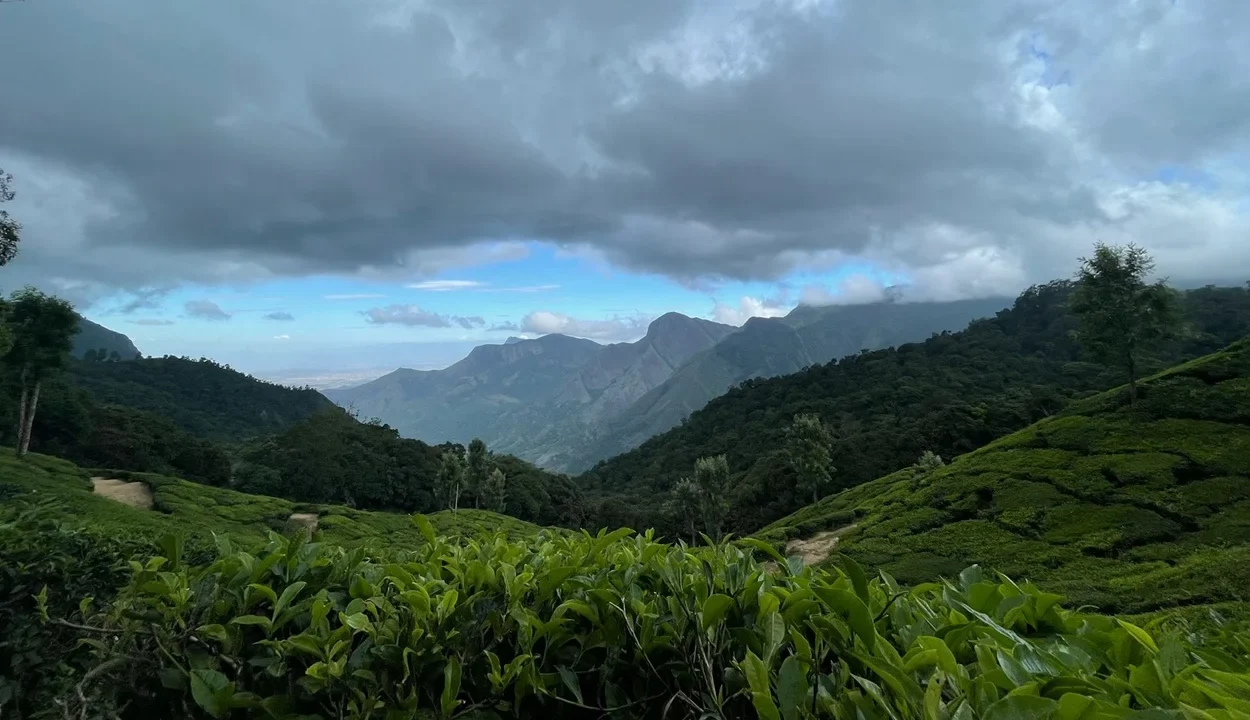
Why Visit in Monsoon: Munnar’s tea gardens disappear into rolling mist, and Attukal and the region’s other waterfalls run at full capacity — this is genuinely when the plantations look their most dramatic.
Top Things to Do: Tea estate walks, monsoon-season Ayurvedic massages, and a visit to Eravikulam National Park when conditions allow.
How to Reach: Kochi Airport (about 110 km) or Ernakulam Railway Station, followed by a scenic road journey up into the hills.
Safety Alert: Hill roads get slick fast during heavy downpours — drive cautiously and avoid pushing on if visibility drops.
2. Coorg (Kodagu), Karnataka
Why Visit in Monsoon: Coffee plantations turn a deep, saturated green, the air smells like wet earth and blooming flowers, and Abbey Falls and Iruppu Falls hit their most majestic form of the year.
Top Things to Do: Coffee plantation tours (many estates offer covered walking paths even in rain), and river rafting on the Barapole river when water levels and safety conditions permit.
How to Reach: Nearest airport is Mangalore (about 135 km); nearest railway station is Mysore (about 120 km).
Safety Alert: Confirm rafting operator status before booking — some sessions get suspended during peak flow for safety reasons.
3. Valley of Flowers, Uttarakhand
Why Visit in Monsoon: This UNESCO World Heritage Site is only open during monsoon (roughly July to September), when over 300 species of alpine flowers come into bloom — visiting outside this window simply isn’t possible.
Top Things to Do: The Valley of Flowers trek itself, often paired with the nearby Hemkund Sahib trek from the same base at Ghangaria.
How to Reach: Nearest railway station is Rishikesh; nearest airport is Jolly Grant, Dehradun — both followed by a long road journey to the trek’s starting point at Govindghat.
Pro-Tip: Check the weather forecast before setting out — the Joshimath approach route is genuinely landslide-prone during heavy monsoon spells, and this is a real trek with elevation gain, not a casual walk.
If you’re starting your journey from the capital, see our guide on long weekend trips from Delhi.
4. Lonavala & Mahabaleshwar, Maharashtra
Why Visit in Monsoon: The Western Ghats turn into an unbroken green carpet, Bhushi Dam overflows dramatically, and Tiger Point at Lonavala disappears into rolling fog — this is peak season for the classic Mumbai-Pune monsoon road trip.
Top Things to Do: Bhushi Dam viewing, Tiger Point and Lion’s Point for the fog-and-valley views, and the short drive between Lonavala and Khandala for waterfall stops along the way.
How to Reach: Well connected by road and rail from both Mumbai and Pune, making it one of the most accessible entries on this list.
Safety Alert: These hills get genuinely crowded on monsoon weekends, and slippery rocks near waterfalls are a real hazard — stick to marked viewing areas rather than climbing out onto wet rocks for photos.
Planning to travel solo this rainy season? Read our complete guide on places for solo trip in India.
5. Udaipur, Rajasthan
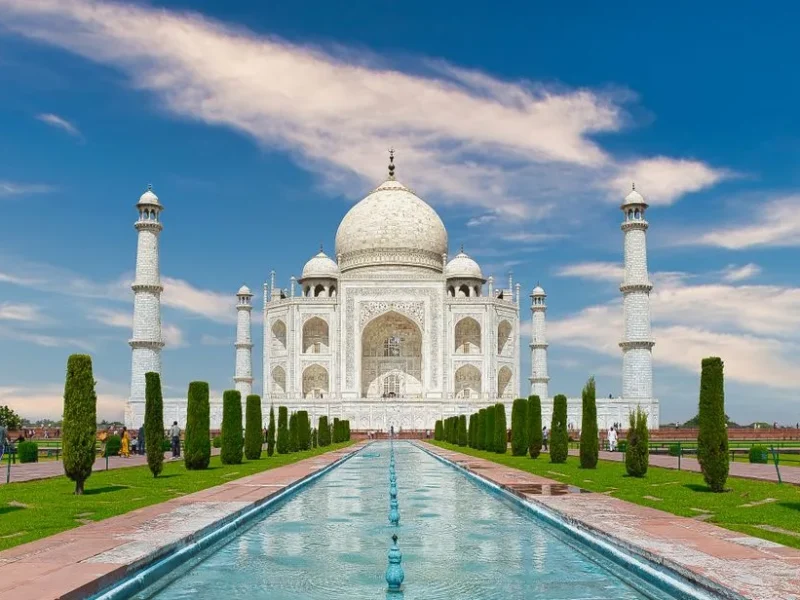
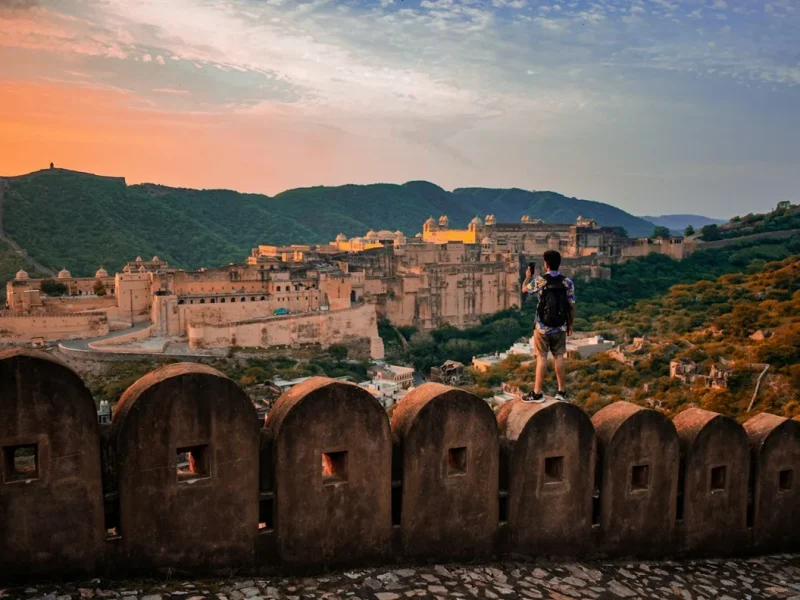
Why Visit in Monsoon: Despite being a desert state, Udaipur transforms in monsoon — Lake Pichola and Fateh Sagar fill back up after the dry season, and the surrounding Aravalli hills turn a surprising shade of green against the white palaces.
Top Things to Do: A boat ride on a fuller-than-usual Lake Pichola, rooftop dining with monsoon cloud views, and the Monsoon Palace (Sajjangarh) for a genuinely different perspective on the city.
How to Reach: Udaipur has its own airport (Maharana Pratap Airport) and direct train connections from Delhi and other major cities.
Safety Alert: Generally one of the safer, lower-risk monsoon destinations on this list, given it’s not in a landslide-prone mountain region.
If you are combining Rajasthan’s heritage cities, check out our list of top places to visit in Jaipur.
6. Cherrapunji & Shillong, Meghalaya
Why Visit in Monsoon: Cherrapunji holds records as one of the wettest places on Earth, and monsoon is when Nohkalikai Falls and the Seven Sisters Falls hit their full, thundering flow — a spectacle that simply doesn’t exist in drier months.
Top Things to Do: Nohkalikai Falls viewpoint, the living root bridges near Cherrapunji (though the trek gets more physically demanding in wet conditions), and Shillong’s café scene as a dry-day backup plan.
How to Reach: Nearest airport is Guwahati (about 170 km to Shillong), followed by a road journey to Cherrapunji.
Safety Alert: This is genuinely the wettest region on this list — expect near-constant rain, pack accordingly, and be prepared for road delays given how much water the region receives.
7. Spiti Valley & Leh-Ladakh (The Rain-Shadow Escape)
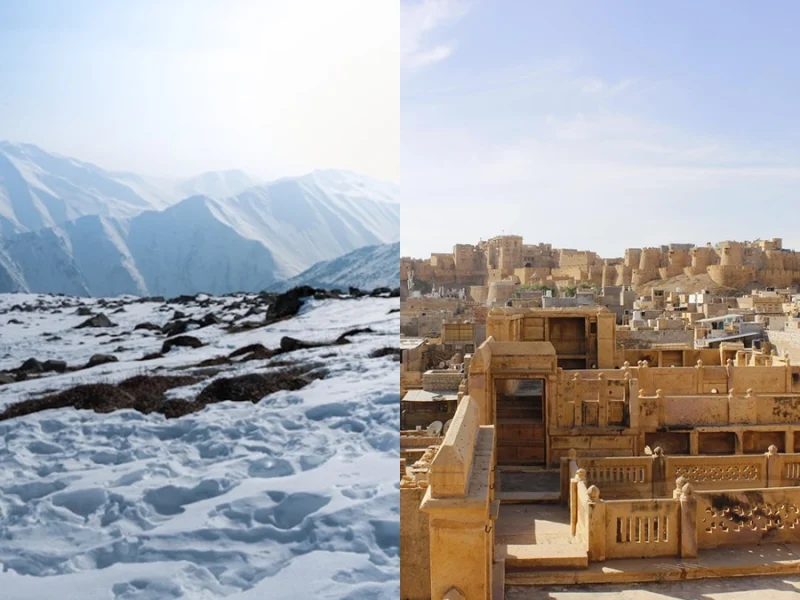
Why Visit in Monsoon: If you want to travel during monsoon without actually dealing with rain, Spiti Valley and Leh-Ladakh are the answer — both sit in the Himalayan rain-shadow zone, where monsoon clouds rarely reach, keeping roads dry and skies mostly clear.
Top Things to Do: Road-tripping through Spiti’s stark valleys, Pangong Lake and Nubra Valley in Ladakh, and monastery visits across both regions.
How to Reach: Leh has its own airport; Spiti is typically reached by road via Shimla-Kinnaur or Manali (the Manali route depends on pass conditions).
Safety Alert: Ironically, the approach roads to these rain-shadow regions (particularly through Kinnaur or Manali) can still see monsoon-related landslides even though the destinations themselves stay dry — check road conditions for the approach route specifically, not just the destination.
8. Goa (Hinterlands & Waterfalls)
Why Visit in Monsoon: Beach swimming gets red-flagged for safety during monsoon, but Goa’s hinterland comes alive — Dudhsagar Falls runs at a genuinely unbelievable volume, spice plantations turn lush, and both flights and stays get noticeably cheaper in the off-season.
Top Things to Do: Dudhsagar Falls (via jeep safari, since the trek route often closes in heavy rain), spice plantation tours, and wildlife sanctuary visits at Bhagwan Mahaveer.
How to Reach: Goa’s own international airport (Dabolim/Manohar), or direct trains from major cities.
Safety Alert: Sea swimming and water sports are genuinely dangerous during monsoon due to strong currents — respect posted red flags and lifeguard warnings without exception.
9. Kodaikanal, Tamil Nadu
Why Visit in Monsoon: Known as the “Princess of Hill Stations,” Kodaikanal’s lake and pine forests take on a genuinely dreamy quality under monsoon clouds — boating on Kodai Lake and walking Coaker’s Walk through drifting fog are both distinctly better experiences in this season than in dry months.
Top Things to Do: Boating on Kodai Lake, Coaker’s Walk, and Pillar Rocks viewpoint on clearer days between showers.
How to Reach: Nearest railway station is Kodai Road, followed by a scenic drive up; nearest airport is Madurai.
Safety Alert: Fog can reduce visibility sharply on viewpoint roads — go slow and avoid pushing to the furthest lookout points if conditions worsen.
10. Orchha & Khajuraho, Madhya Pradesh
Why Visit in Monsoon: Central India rarely makes monsoon travel lists, but it should — the Betwa river runs full through Orchha, and rain-heavy skies over Khajuraho’s ancient temple carvings make for a genuinely different, less-photographed version of both sites.
Top Things to Do: Orchha’s riverside cenotaphs and fort complex, and a quieter, less crowded visit to Khajuraho’s UNESCO temple groups than you’d get in peak winter season.
How to Reach: Khajuraho has its own airport and railway station; Orchha is a short drive or train ride from Jhansi.
Safety Alert: A genuinely low-risk monsoon destination compared to the mountain regions on this list — the main consideration is simply carrying rain gear for outdoor heritage site visits.
Monsoon Travel & Safety Tips
Footwear
Waterproof trekking shoes are worth the investment for hill and trek destinations; quick-dry sandals work well for flatter, wetter destinations like Goa or Kerala’s backwaters. Regular sneakers and flip-flops both become genuine hazards on wet stone steps and muddy trails.
Gear Essentials
A waterproof backpack cover, a proper rain poncho (more reliable than an umbrella on windy hill roads), and dry bags or waterproof pouches for phones and cameras are worth packing for any destination on this list, even the drier rain-shadow regions where weather can still shift.
Landslide & Road Warnings
Mountain regions — Uttarakhand, Himachal Pradesh, and Meghalaya specifically — see genuine landslide risk during monsoon. Check road conditions the morning of travel rather than relying on older information, and avoid night driving on hill roads during this season entirely.
Health Precautions
Carry insect repellent, particularly for the Western Ghats (Munnar, Coorg, Lonavala), where mosquitoes and leeches are common during monsoon. Stick to bottled or properly filtered water throughout, regardless of destination.
Budget & Duration Overview
| Trip Type | Destinations | Approximate Budget (per person) |
|---|---|---|
| Short Weekend Trips (2–3 Days) | Lonavala & Mahabaleshwar, Coorg, Udaipur | ₹5,000–₹10,000 |
| Long Expeditions (5–7 Days) | Meghalaya, Valley of Flowers, Spiti Valley | ₹15,000–₹28,000 |
Where Should You Actually Go?
- If you want misty hills and tea gardens → Munnar or Coorg.
- If you want a UNESCO experience only possible this season → Valley of Flowers.
- If you want an easy road trip → Lonavala & Mahabaleshwar.
- If you want dramatic waterfalls and record rainfall → Cherrapunji & Shillong.
- If you want to avoid rain entirely → Spiti Valley or Leh-Ladakh.
- If you want a quieter, offbeat heritage trip → Orchha & Khajuraho.
Frequently Asked Questions
Udaipur, Kodaikanal, and South Goa are relatively low-risk compared to high-altitude, landslide-prone zones like Uttarakhand or Meghalaya’s hill roads — none of these three sit in areas with significant landslide exposure.
Sea swimming and water sports are red-flagged for safety during monsoon due to strong currents, but Goa is still genuinely worth visiting for the Dudhsagar Falls jeep safari, spice plantations, wildlife sanctuaries, and noticeably cheaper off-season stays.
Spiti Valley and Leh-Ladakh are the best options, since both sit in the Himalayan rain-shadow region where monsoon clouds rarely reach — just check conditions on the approach roads, which can still see landslide activity even though the destinations themselves stay largely dry.
It depends heavily on the trek — the Valley of Flowers trek is specifically designed around this season and is well-managed for it, while casual waterfall treks in the Western Ghats (Munnar, Lonavala) require real caution given slippery rocks and swollen streams. Always check current trail conditions before setting out, regardless of destination.