The short answer: October to March is the best overall time to visit India, when most of the country enjoys cool, dry, and pleasant weather. But India is big enough that “best time” really depends on where you’re going — the ideal month for a Rajasthan desert trip is the worst possible time to visit Ladakh, and vice versa. This guide breaks it down season by season, region by region, so you can time your trip to whatever experience you’re actually after.
Quick Answer: Best Time to Visit India at a Glance
- Peak Season (October–March): Cool, dry, and pleasant weather across most of the country — ideal for first-time visitors looking to explore the most famous places in India across multiple regions.
- Shoulder Season (April–June): Hot in the plains, but this is prime time for hill stations, Ladakh, and wildlife safaris.
- Low/Monsoon Season (July–September): Rainy across most of the country, but excellent for Ladakh’s rain-shadow landscape, lush green hill regions, and budget travel deals.
Season-by-Season Breakdown
☀️ Winter (October to March) — The Best Overall Time
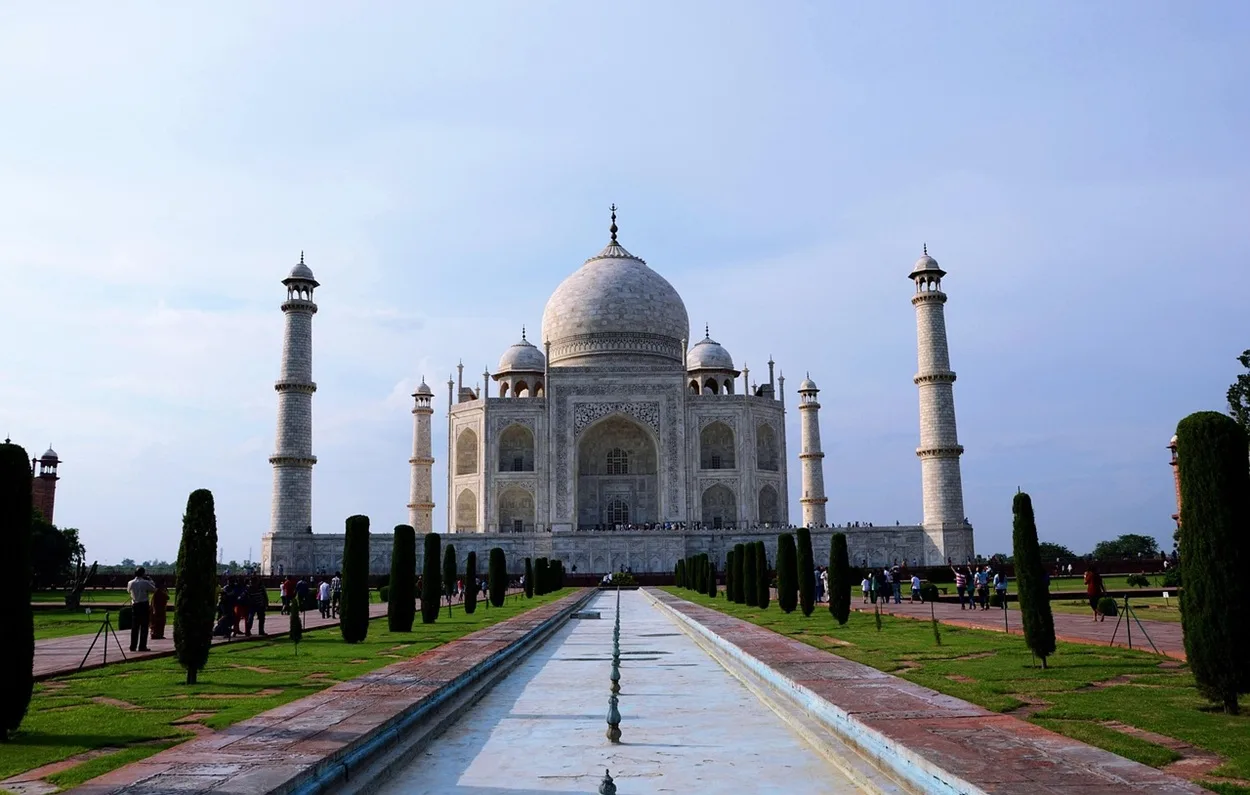
This is peak tourist season for a reason. Skies stay clear across most of the country, temperatures are comfortable for full days of sightseeing, and it’s the one stretch of the year when nearly every major region — from the northern plains to the southern coast — is pleasant simultaneously.
Weather: Mild and dry across most of India, with genuinely cold nights in the north (Delhi, Rajasthan) and comfortably warm days in the south.
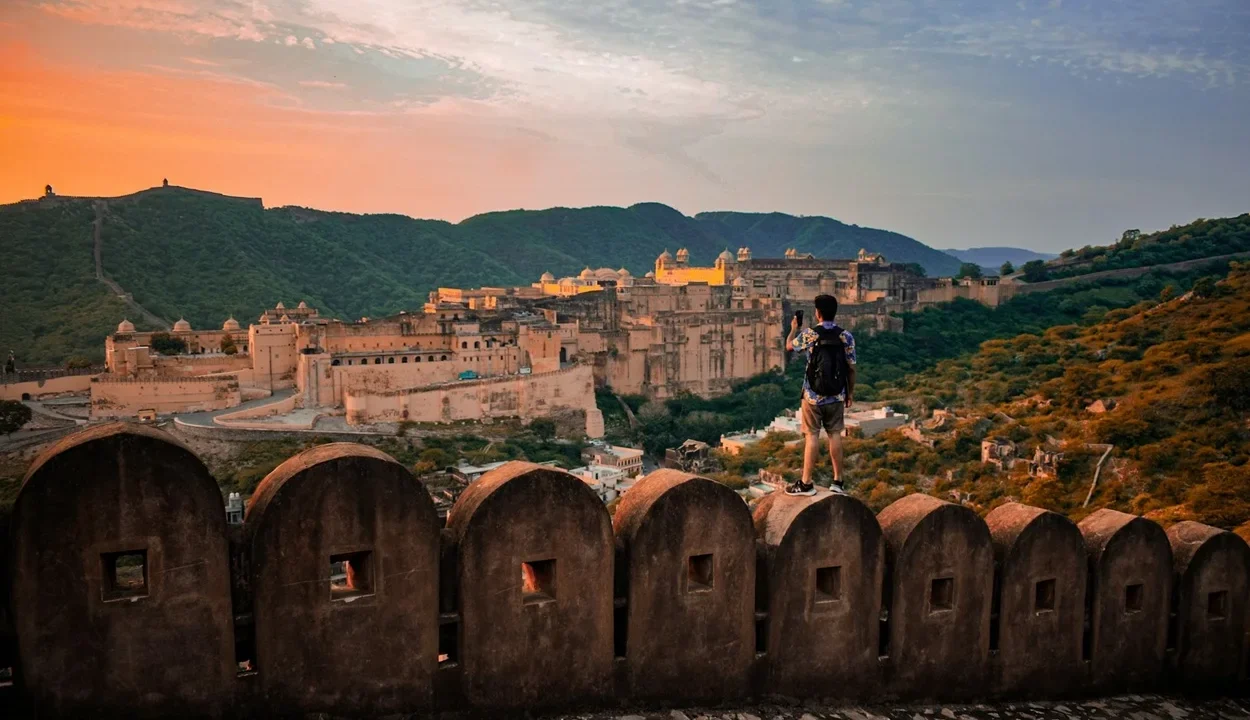
Best Regions to Cover: Rajasthan, Delhi, Agra (the Golden Triangle), Kerala, Goa, Tamil Nadu.
Highlights: Sightseeing at heritage monuments without the summer heat, beach holidays down south, and desert camping in Rajasthan under cool night skies.
🔥 Summer (April to June) — Hill Stations & Wildlife
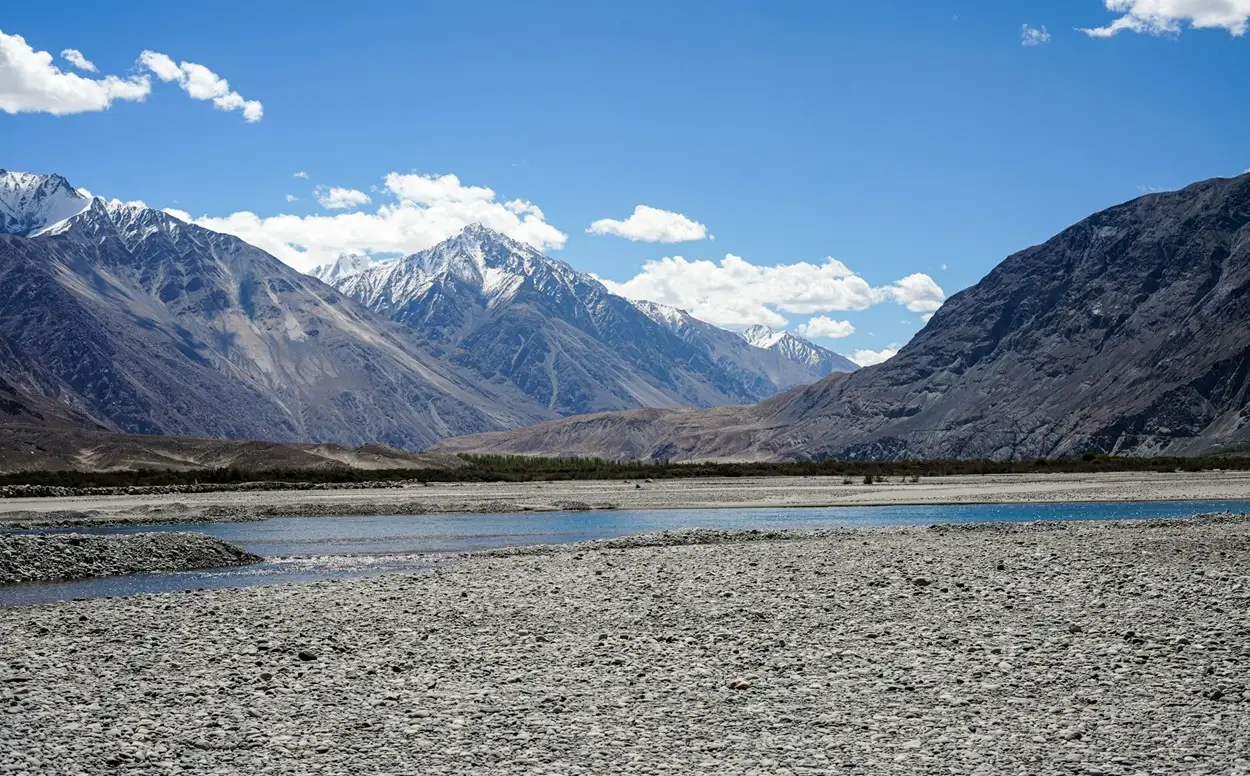
Summer in the plains gets brutal, but this is actually when two of India’s best experiences hit their peak — mountain escapes and wildlife sightings.
Weather: Hot in the plains, often between 35°C and 45°C, but noticeably cooler and more comfortable at higher elevations.
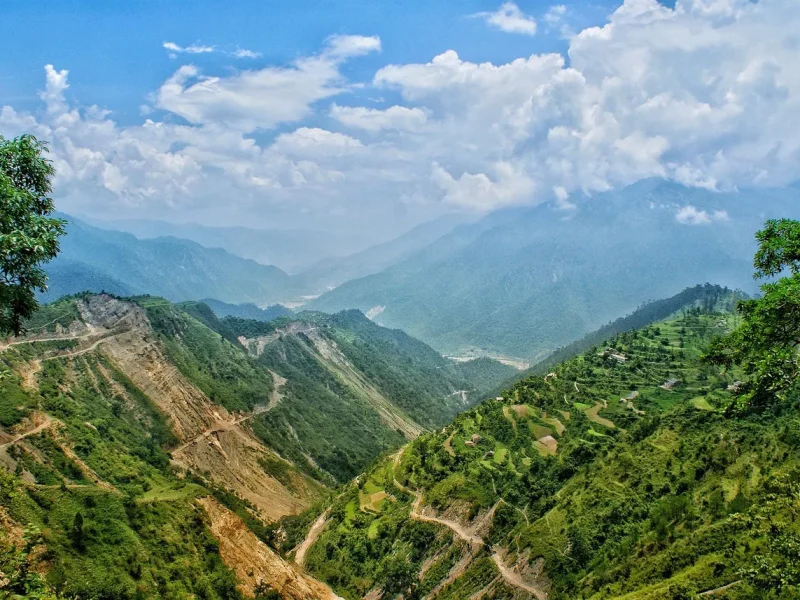
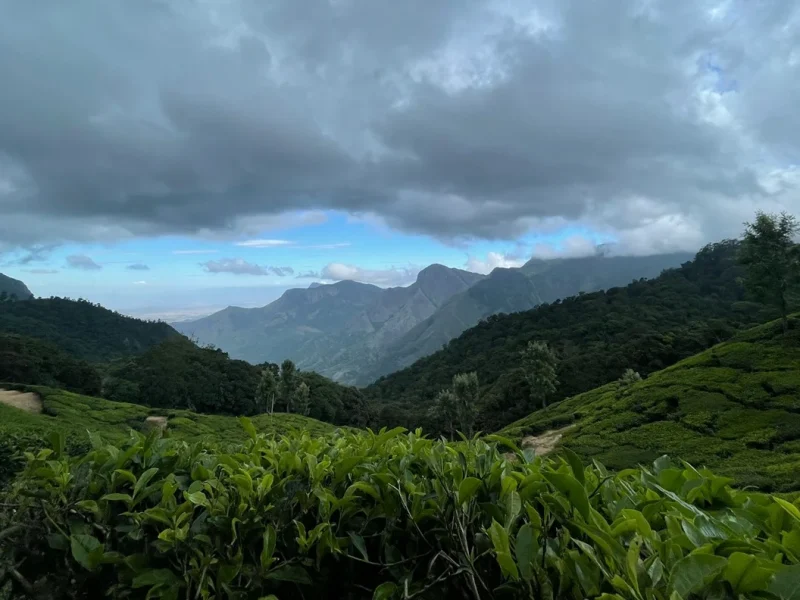
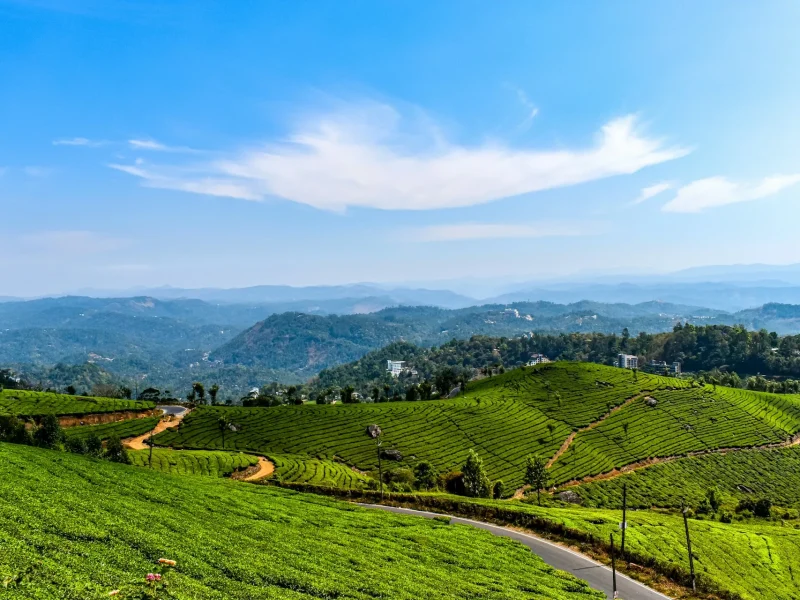
Best Regions to Cover: Himachal Pradesh, Uttarakhand, Ladakh, Sikkim, and Munnar in Kerala.
Highlights: Wildlife safaris at national parks like Ranthambore, Jim Corbett, and Kanha — tiger sightings tend to be highest near water holes as animals seek relief from the heat — plus the classic hill station escape to cooler mountain towns.
🌧️ Monsoon (July to September) — Lush Greenery & Budget Travel
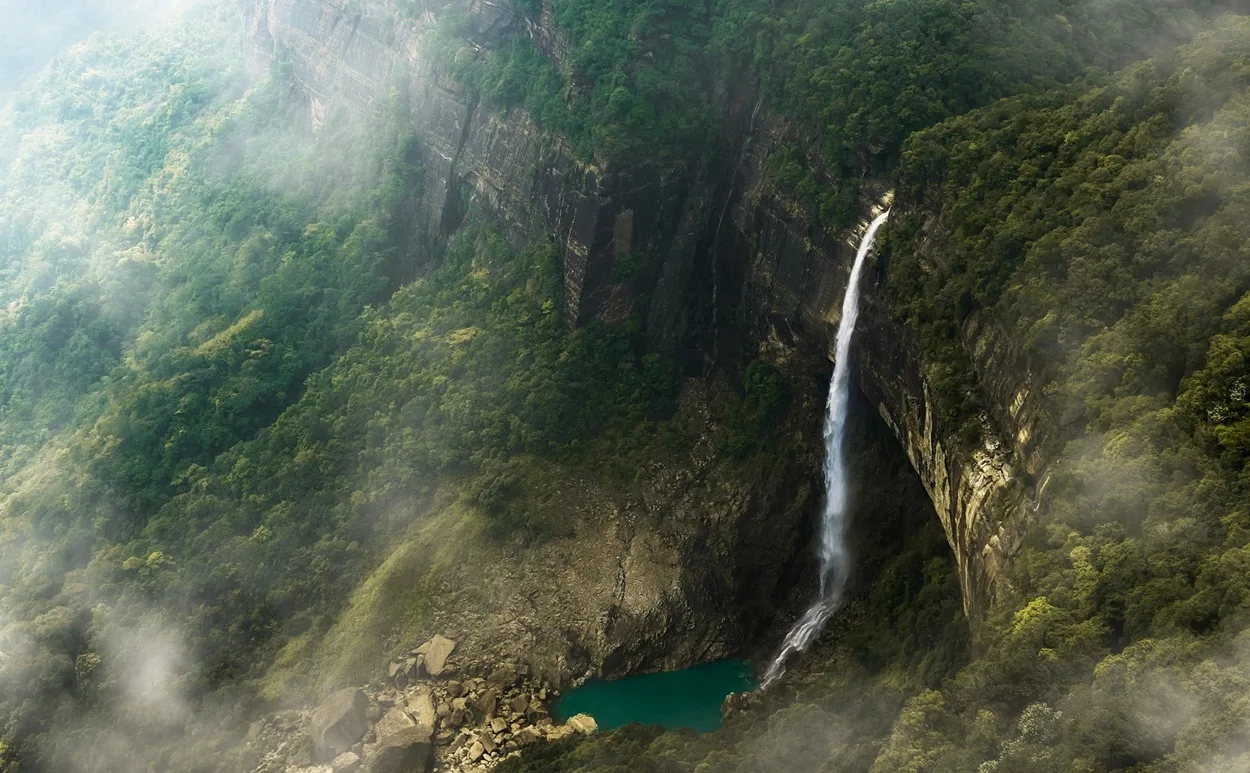
Monsoon isn’t the obvious choice, but it’s genuinely underrated for a few specific destinations, and it’s easily the best time to travel on a tighter budget.
Weather: Heavy rainfall along the western and southern coasts and across the plains, though some regions stay dry due to their geography.
Best Regions to Cover: Ladakh and Spiti Valley (both sit in a rain-shadow zone and stay largely dry), Udaipur and Meghalaya for their monsoon scenery, and the Valley of Flowers, which is only in full bloom during this season.
Highlights: Steeply discounted luxury hotels, dramatically lush waterfalls and landscapes, and Ayurvedic treatment packages in Kerala, which are traditionally recommended during the monsoon months.
Region-Wise Guide: Best Time by Destination
Because India’s climate varies so drastically by geography, it genuinely helps to think about timing region by region rather than picking one blanket answer for the whole country.
- North India (Delhi, Agra, Rajasthan): October to March, when the intense summer heat has passed and the desert nights turn pleasantly cool.
- Himalayas & Ladakh: May to September, once high-altitude passes like Rohtang Pass and Khardung La open up and become accessible by road.
- South India (Kerala, Tamil Nadu, Karnataka): November to March, avoiding both the summer humidity and the heaviest monsoon rains.
- Goa & Coastal Beaches: November to February, the driest and most pleasant stretch for beach days and water activities.
- East & North-East India (Meghalaya, Assam, Sikkim): October to April, though Meghalaya specifically also rewards a monsoon visit for its dramatic waterfalls.
Best Time to Visit India by Travel Interest
Best Time for Festival Lovers
October/November is prime time for Diwali, India’s biggest festival of lights, while March brings Holi, the vibrant festival of colors — both transform cities and towns into genuinely unforgettable experiences if your trip timing allows it.
Best Time for Wildlife & Tiger Safaris
March to May, right before the monsoon breaks, is when dry vegetation thins out and animals cluster around shrinking water sources, making tiger and wildlife sightings noticeably easier at parks like Ranthambore and Bandhavgarh.
Best Time for Trekking & Adventure
May-June and September-November are the two sweet spots — post-winter snowmelt opens up high-altitude trails in early summer, while post-monsoon clarity in autumn brings some of the best visibility and stable weather of the year.
Best Time for Budget Travelers
July to September, monsoon season, sees hotel and flight prices drop significantly across most of the country as tourist numbers thin out — a solid trade-off if you’re flexible about rain in exchange for real savings.
Month-by-Month Quick Reference
| Months | Weather Overview | Best Places to Visit | Key Festivals / Events |
|---|---|---|---|
| Jan–Feb | Cool & dry | Rajasthan, Goa, Kerala, Delhi | Republic Day, Jaisalmer Desert Festival |
| Mar–Apr | Spring to warm | Wildlife parks, Golden Triangle | Holi |
| May–Jun | Hot | Shimla, Manali, Ladakh, Darjeeling | Summer mountain escapes |
| Jul–Sep | Monsoon | Ladakh, Spiti Valley, Meghalaya, Valley of Flowers | Onam, Independence Day |
| Oct–Dec | Peak winter / perfect | Entire country (North & South) | Diwali, Pushkar Fair, Christmas |
Essential Practical Tips for Travelers
Packing by season: Layer up for winter mornings and nights in North India (temperatures can drop close to single digits in Rajasthan and Delhi), pack light breathable cottons for summer, and carry a proper raincoat and waterproof shoes if you’re traveling during monsoon.
Staying hydrated in warm months: Summer travel through the plains means real heat exposure — carry a reusable water bottle, avoid peak afternoon sightseeing between 12–3 PM where possible, and watch for early signs of heat exhaustion, especially in Rajasthan and central India.
Booking ahead for peak season: December and January are India’s busiest tourist months — if you’re planning a trip during winter holidays, explore the best places to visit in India in December and reserve flights/hotels at least 4-6 weeks in advance.
Frequently Asked Questions
July through September, during monsoon season, tends to offer the lowest hotel and flight prices, since tourist numbers drop significantly across most of the country during this stretch.
Yes, and for some destinations it’s genuinely worth it — Ladakh and Spiti Valley stay dry due to their rain-shadow geography, and regions like Meghalaya and Kerala look their most dramatic under monsoon clouds. Just avoid heavy trekking or hill-road travel in landslide-prone areas during this period.
October to March is ideal for both, with December and January being the most comfortable (and busiest) months — especially if you’re planning a Jaipur itinerary alongside your Taj Mahal visit, thanks to cool days and genuinely cold desert nights.
May to September is the only real window, since this is when the high-altitude mountain passes connecting Ladakh to the rest of the country — including Rohtang Pass and Khardung La — are open and accessible by road. Road conditions and opening dates can shift year to year based on snowfall, so it’s worth checking official Border Roads Organisation (BRO) updates closer to your travel dates.