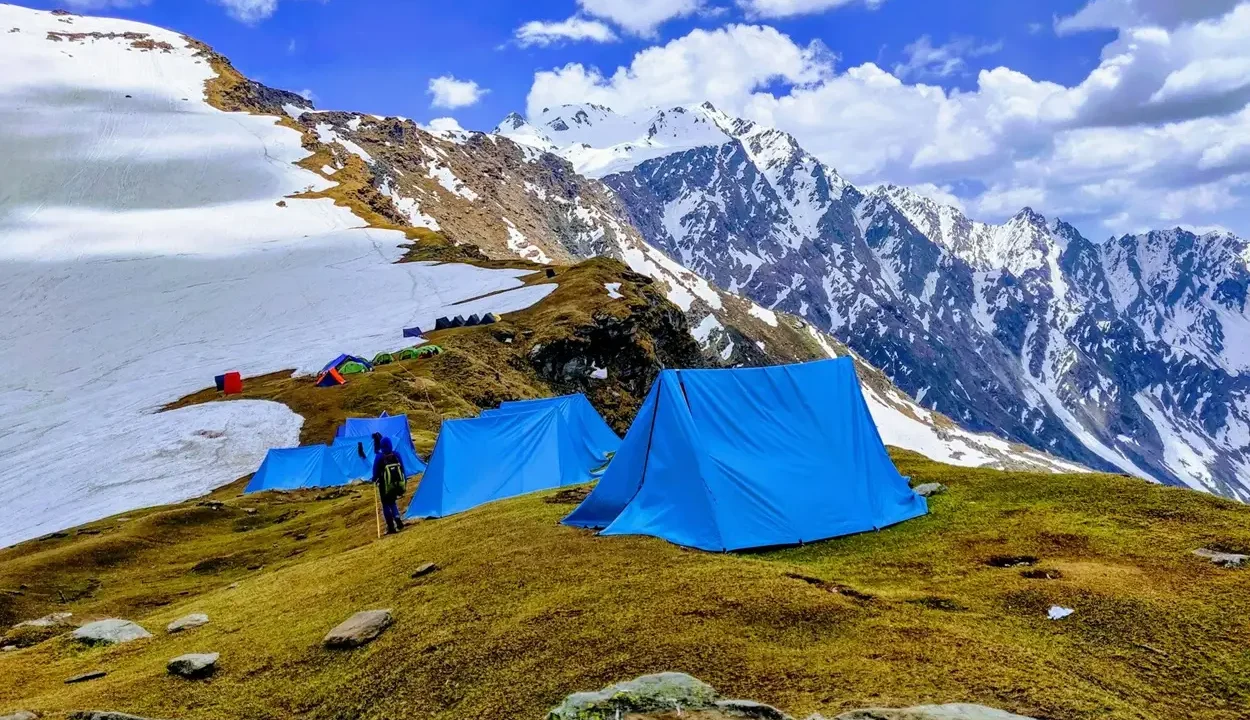
India might be the easiest country in the world to try trekking for the first time. You don’t need mountaineering experience, expensive gear, or weeks of vacation time. Some of the best beginner treks in India take just one weekend, cost less than a nice dinner out, and still deliver genuine Himalayan views.
That’s the real appeal here. India has treks for almost every fitness level — from a short walk to a mountain meadow, to a four-day snow trek that still counts as “beginner-friendly” with the right guide. What makes a trek beginner-friendly isn’t the scenery. It’s the terrain, the distance, and how well-marked the trail is.
In this guide, we’ll walk through 15 of the best easy treks in India for beginners. Each one includes real numbers — distance, altitude, cost, and difficulty — so you can pick a trek that actually matches your fitness level, not just your Instagram feed.
Quick Comparison Table: Best Beginner Treks in India
| Trek Name | State | Difficulty | Duration | Trek Distance | Highest Altitude | Best Season | Suitable For |
|---|---|---|---|---|---|---|---|
| Triund Trek | Himachal Pradesh | Easy | 1–2 days | 9 km one way | 2,875 m (9,432 ft) | Apr–Jun, Sep–Dec | First-timers, families |
| Nag Tibba Trek | Uttarakhand | Easy | 2 days | 7–8 km one way | 3,022 m (9,915 ft) | Year-round (except peak monsoon) | Weekend trekkers |
| Kedarkantha Trek | Uttarakhand | Easy–Moderate | 4–6 days | 20 km round trip | 3,800 m (12,500 ft) | Dec–Apr | Snow lovers, first Himalayan trek |
| Dayara Bugyal Trek | Uttarakhand | Easy–Moderate | 3–4 days | 8–9 km one way | 3,768 m (12,420 ft) | Dec–Apr, Apr–Jun | Meadow and snow lovers |
| Chopta Tungnath Trek | Uttarakhand | Easy | 1–2 days | 5 km one way (to Chandrashila) | 4,000 m (13,123 ft) | Apr–Jun, Sep–Nov | Photography, short trips |
| Valley of Flowers Trek | Uttarakhand | Moderate | 4–6 days | 17 km to Ghangaria + valley walk | 3,600+ m (11,800+ ft) | Jul–Sep only | Nature lovers |
| Beas Kund Trek | Himachal Pradesh | Easy–Moderate | 2–3 days | 7–8 km one way | 3,700 m (12,000 ft) | May–Jun, Sep–Oct | Couples, weekend trekkers |
| Brahmatal Trek | Uttarakhand | Moderate | 5–6 days | 22 km round trip | 3,800 m (12,250 ft) | Dec–Mar | Winter snow lovers |
| Kareri Lake Trek | Himachal Pradesh | Easy–Moderate | 2 days | 9 km one way | 2,934 m (9,600 ft) | Apr–Jun, Sep–Nov | Families, first-timers |
| Rajmachi Trek | Maharashtra | Easy | 1–2 days | 15 km | 825 m (2,710 ft) | Jun–Sep (monsoon) | Budget travelers, monsoon trekking |
| Tadiandamol Trek | Karnataka | Easy | 1 day | 7 km round trip | 1,748 m (5,735 ft) | Oct–Mar | South India first-timers |
| Sandakphu Trek | West Bengal | Moderate | 4–6 days | 32 km one way | 3,636 m (11,930 ft) | Oct–Dec, Mar–May | Photography, mountain views |
| Deoriatal Trek | Uttarakhand | Easy | 1 day | 2.5 km one way | 2,438 m (8,000 ft) | Year-round (except peak monsoon) | Families, quick trips |
| Prashar Lake Trek | Himachal Pradesh | Easy | 1–2 days | 5–6 km one way | 2,730 m (8,956 ft) | Mar–Jun, Sep–Nov | First-timers, day trips |
| Hampta Pass Trek | Himachal Pradesh | Moderate (fit beginners only) | 4–5 days | 35 km total | 4,270 m (14,000 ft) | Jun–Sep | Fit beginners with a guide |
How We Selected These Beginner Treks
Not every “easy trek” in India is actually easy. We picked these 15 based on:
- Easy terrain. No technical climbing, rope work, or glacier crossings.
- Well-marked trails. Routes that are hard to get lost on, even without deep trekking experience.
- Safe for beginners. A track record of being genuinely manageable for first-timers, not just marketed that way.
- Popular routes. Trails with established infrastructure — campsites, local guides, and other trekkers around if something goes wrong.
- Scenic beauty. Because your first trek should make you want a second one.
- Good accommodation or camping. Reliable places to sleep, whether that’s a homestay, forest rest house, or managed campsite.
- Accessible from major cities. Reachable within a day or two of travel from Delhi, Mumbai, Bangalore, or another major hub.
Related: Best Places to Visit in Uttarakhand
15 Best Beginner Treks in India
1. Triund Trek
Triund is probably India’s most popular first trek, and for good reason. It sits above McLeod Ganj near Dharamshala, and the views of the Dhauladhar mountain range are genuinely dramatic for how little effort it takes to get there.
- Why Beginners Love It: You can do the whole thing in a day, or camp overnight for sunset and sunrise views. The trail is busy enough that you’re never really alone, which helps if this is your first time on a mountain trail.
- Difficulty Level: Easy
- Trek Distance: 9 km one way from McLeod Ganj
- Trek Duration: 1–2 days
- Maximum Altitude: 2,875 m (9,432 ft)
- Best Time to Visit: April to June, September to December
- Starting Point: McLeod Ganj, near Dharamshala
- How to Reach: Fly into Kangra Airport (Gaggal) or take an overnight bus/train from Delhi to Dharamshala, then a short local taxi to McLeod Ganj.
- What You’ll See: Snow-capped Dhauladhar peaks, pine and oak forests, and (weather permitting) a genuinely spectacular sunset over the valley.
- Approximate Budget: $15–40 USD / ₹1,200–3,500 for a guided day trip; add $30–50 / ₹2,500–4,000 for overnight camping gear rental.
- Fitness Level Required: Basic — comfortable walking uphill for 4–5 hours.
- Is a Guide Required? No, the trail is well-marked, but a local guide adds context and safety, especially for first-timers.
- Pros: Short, scenic, doable in a single day, easy to combine with a Dharamshala/McLeod Ganj trip.
- Cons: Gets crowded on weekends and holidays.
- Insider Tips: Start early morning to avoid the midday heat and the busiest crowds. If you camp overnight, pack a proper sleeping bag — nights get cold even in summer.
2. Nag Tibba Trek
Nag Tibba, meaning “Serpent’s Peak,” is Uttarakhand’s answer to a genuinely easy weekend trek from Delhi. It’s short, forested, and rewards you with a proper mountain summit feeling without demanding much prior experience.
- Why Beginners Love It: It’s close enough to Delhi for a true weekend trip, and the trail runs through quiet oak and rhododendron forest that feels wilder than its short distance suggests.
- Difficulty Level: Easy
- Trek Distance: 7–8 km one way from Pantwari village
- Trek Duration: 2 days
- Maximum Altitude: 3,022 m (9,915 ft)
- Best Time to Visit: Year-round, except peak monsoon (July–August)
- Starting Point: Pantwari village, near Mussoorie
- How to Reach: Fly into Jolly Grant Airport, Dehradun, or take a train to Dehradun, then a shared taxi to Pantwari (about 3 hours).
- What You’ll See: Forested trails, a Himalayan summit view including glimpses of Bandarpoonch peak, and a genuinely peaceful campsite.
- Approximate Budget: $40–70 USD / ₹3,500–6,000 for a 2-day guided trek including camping.
- Fitness Level Required: Basic to moderate — the final summit push is a bit steeper than the rest of the trail.
- Is a Guide Required? Recommended but not strictly required, since the trail is fairly well-marked.
- Pros: Very accessible from Delhi, genuine mountain views for minimal effort, works well as a true weekend trip.
- Cons: Can get cold at night even outside winter.
- Insider Tips: Do the summit push before sunrise if you can — cloud cover tends to build by mid-morning.
3. Kedarkantha Trek
Kedarkantha is the classic first Himalayan winter trek. It’s genuinely a snow trek, but the trail and duration are manageable enough that thousands of first-timers complete it every winter season.
- Why Beginners Love It: It delivers everything people picture when they imagine a “real” Himalayan trek — snow, pine forest, and a genuine summit — without needing technical mountaineering skills.
- Difficulty Level: Easy–Moderate
- Trek Distance: 20 km round trip from Sankri
- Trek Duration: 4–6 days
- Maximum Altitude: 3,800 m (12,500 ft)
- Best Time to Visit: December to April
- Starting Point: Sankri village
- How to Reach: Fly into Jolly Grant Airport, Dehradun, or train to Dehradun, then a shared taxi to Sankri (roughly 9–10 hours).
- What You’ll See: Snow-covered pine forests, a 360-degree Himalayan summit view including Swargarohini and Bandarpoonch peaks.
- Approximate Budget: $150–250 USD / ₹12,500–21,000 for a guided package including permits, camping, and meals.
- Fitness Level Required: Moderate — you’ll need to be comfortable walking on snow for several hours a day.
- Is a Guide Required? Yes, strongly recommended given the winter conditions and altitude.
- Pros: A genuine snow-trekking experience that’s still realistic for beginners with reasonable fitness.
- Cons: Cold — temperatures regularly drop below freezing at night.
- Insider Tips: Rent proper snow boots and gaiters locally in Sankri rather than bringing your own from home — it’s cheaper and saves luggage space.
4. Dayara Bugyal Trek
Dayara Bugyal is one of the Himalayas’ largest and most beautiful alpine meadows, and the trek to reach it is short enough to make a great introduction to high-altitude trekking.
- Why Beginners Love It: The trail is gentle by Himalayan standards, and the payoff — an enormous open meadow with sweeping mountain views — feels disproportionate to the effort involved.
- Difficulty Level: Easy–Moderate
- Trek Distance: 8–9 km one way from Barsu or Raithal village
- Trek Duration: 3–4 days
- Maximum Altitude: 3,768 m (12,420 ft)
- Best Time to Visit: December to April for snow; April to June for green meadows
- Starting Point: Barsu or Raithal village, near Uttarkashi
- How to Reach: Fly into Jolly Grant Airport, Dehradun, or train to Dehradun/Rishikesh, then a shared taxi (about 7–8 hours) to Barsu.
- What You’ll See: Vast open meadows, forest trails, and views of Bandarpoonch and Kala Nag peaks.
- Approximate Budget: $120–200 USD / ₹10,000–17,000 for a guided package.
- Fitness Level Required: Moderate.
- Is a Guide Required? Recommended, especially during winter snow conditions.
- Pros: Genuinely stunning meadow views, less crowded than Kedarkantha.
- Cons: Winter version requires proper cold-weather gear.
- Insider Tips: Visit in early May if you want to see both leftover snow patches and fresh green meadow grass in the same trip.
5. Chopta Tungnath Trek
Chopta is the base for one of India’s most rewarding short treks — a walk up to the world’s highest Shiva temple, with an optional extension to a genuine Himalayan summit. Explore our full guide to Chopta hill station.
- Why Beginners Love It: It’s short enough to complete in half a day, but the summit views from Chandrashila rival treks that take three or four times as long.
- Difficulty Level: Easy
- Trek Distance: 3.5 km one way to Tungnath, plus 1.5 km further to Chandrashila summit
- Trek Duration: 1–2 days
- Maximum Altitude: 4,000 m (13,123 ft) at Chandrashila
- Best Time to Visit: April to June, September to November
- Starting Point: Chopta village
- How to Reach: Fly into Jolly Grant Airport, Dehradun, or train to Rishikesh, then a shared taxi or bus to Chopta (about 7–8 hours).
- What You’ll See: The Tungnath Temple, alpine meadows, and a 360-degree Himalayan panorama from Chandrashila.
- Approximate Budget: $30–60 USD / ₹2,500–5,000 for a guided trek and one night’s camping.
- Fitness Level Required: Basic.
- Is a Guide Required? Optional — the trail to Tungnath is paved and well-marked, though the Chandrashila stretch is steeper.
- Pros: Extremely accessible for a genuine Himalayan summit experience.
- Cons: Tungnath Temple itself closes for winter (roughly late November to April/May).
- Insider Tips: Start the trek by 7 AM to reach Chandrashila before clouds typically build later in the morning.
Related: Delhi to Chopta Travel Guide
6. Valley of Flowers Trek
A UNESCO World Heritage Site that’s only open during a narrow monsoon window, the Valley of Flowers rewards trekkers with a genuinely rare sight — hundreds of species of alpine flowers in full bloom.
- Why Beginners Love It: The trail itself isn’t technically difficult, and the reward — a valley carpeted in wildflowers — is unlike anything else on this list.
- Difficulty Level: Moderate
- Trek Distance: 9 km one way from Pulna village to Ghangaria base camp, plus additional walking within the valley itself
- Trek Duration: 4–6 days
- Maximum Altitude: 3,600+ m (11,800+ ft)
- Best Time to Visit: July to September only (peak bloom late July to mid-August)
- Starting Point: Govindghat is the transport hub, but the actual trek starts from Pulna village, about 4 km further by a motorable road.
- How to Reach: Fly into Jolly Grant Airport, Dehradun, or train to Rishikesh (where you can check out popular things to do in Rishikesh before heading up), then road to Govindghat (about 10 hours). From Govindghat, a shared jeep covers the 4 km to Pulna, where the walking trek to Ghangaria begins.
- What You’ll See: Hundreds of species of alpine wildflowers, glacier-fed streams, and dramatic valley walls.
- Approximate Budget: $180–300 USD / ₹15,000–25,000 for a guided package.
- Fitness Level Required: Moderate.
- Is a Guide Required? Recommended, and permits are required for the national park itself.
- Pros: A genuinely unique natural spectacle unavailable at any other time of year.
- Cons: Only accessible during monsoon, which means real rain and occasional landslide risk on approach roads.
- Insider Tips: Time your trip for late July through mid-August specifically — outside that window, the flower bloom is noticeably thinner. Ponies and porters are available at Pulna if you’d rather not carry your own pack for the Pulna-to-Ghangaria stretch.
7. Beas Kund Trek
Beas Kund is a glacial lake near Manali, considered the source of the Beas River, and the trek there is a solid introduction to high-altitude Himachal trekking.
- Why Beginners Love It: It’s close to Manali, which means minimal extra travel time, and the lake itself — framed by snow peaks — is a genuinely rewarding endpoint.
- Difficulty Level: Easy–Moderate
- Trek Distance: 7–8 km one way from Dhundi (near Solang Valley)
- Trek Duration: 2–3 days
- Maximum Altitude: 3,700 m (12,000 ft)
- Best Time to Visit: May to June, September to October
- Starting Point: Dhundi, near Solang Valley
- How to Reach: Fly into Bhuntar Airport, Kullu, or take an overnight Volvo bus from Delhi to Manali, then a short taxi to Dhundi.
- What You’ll See: Glacial lake views, surrounding peaks, and alpine meadow scenery along the way.
- Approximate Budget: $60–120 USD / ₹5,000–10,000 for a guided 2–3 day package.
- Fitness Level Required: Moderate.
- Is a Guide Required? Recommended, particularly for river crossings along the route.
- Pros: Easy access from Manali, a genuinely scenic glacial lake destination.
- Cons: River crossings can be tricky after heavy rain or snowmelt.
- Insider Tips: Check with local guides about river crossing conditions before setting out — they change significantly with recent weather.
8. Brahmatal Trek
Brahmatal is another classic winter snow trek, offering close-up views of Mt. Trishul and Nanda Ghunti alongside a frozen alpine lake.
- Why Beginners Love It: It has that “expedition” feeling — real snow, real cold, genuine mountain views — while still being realistic for a properly prepared first-timer.
- Difficulty Level: Moderate
- Trek Distance: 22 km round trip from Lohajung
- Trek Duration: 5–6 days
- Maximum Altitude: 3,800 m (12,250 ft)
- Best Time to Visit: December to March
- Starting Point: Lohajung village
- How to Reach: Fly into Jolly Grant Airport, Dehradun, or train to Kathgodam/Rishikesh, then a shared taxi (about 9–10 hours) to Lohajung.
- What You’ll See: Frozen Brahmatal Lake, close views of Mt. Trishul, snow-covered forest trails.
- Approximate Budget: $160–260 USD / ₹13,500–22,000 for a guided package.
- Fitness Level Required: Moderate.
- Is a Guide Required? Yes, strongly recommended given winter conditions.
- Pros: Dramatic peak views, a genuine winter trekking experience.
- Cons: Longer and colder than some other beginner options on this list — worth building up fitness with a shorter trek first if you’re brand new to trekking.
- Insider Tips: Layer clothing rather than relying on one heavy jacket — temperature swings between exertion and rest breaks are significant.
9. Kareri Lake Trek
Kareri Lake is a lesser-known alternative to Triund, offering a genuinely peaceful alpine lake experience without the same crowds.
- Why Beginners Love It: It’s quieter than the more famous treks in this region, and the destination — a still alpine lake surrounded by pine forest — feels like a real reward.
- Difficulty Level: Easy–Moderate
- Trek Distance: 9 km one way from Kareri village
- Trek Duration: 2 days
- Maximum Altitude: 2,934 m (9,600 ft)
- Best Time to Visit: April to June, September to November
- Starting Point: Kareri village, near Dharamshala
- How to Reach: Fly into Kangra Airport (Gaggal), or bus/train to Dharamshala, then taxi to Kareri village.
- What You’ll See: A calm alpine lake, forest trails, and Dhauladhar range views.
- Approximate Budget: $50–90 USD / ₹4,000–7,500 for a guided 2-day trek.
- Fitness Level Required: Basic to moderate.
- Is a Guide Required? Recommended, since the trail is less marked than Triund’s.
- Pros: Quieter alternative to more crowded Himachal treks.
- Cons: Less infrastructure along the route compared to Triund.
- Insider Tips: Camp by the lake overnight if your schedule allows — the reflection of the surrounding peaks at dawn is worth the extra day.
10. Rajmachi Trek
Rajmachi is a low-altitude Western Ghats trek near Mumbai and Pune, best known for its monsoon-season waterfalls and fort ruins.
- Why Beginners Love It: It’s one of the few genuinely great monsoon treks in India, and its low altitude means no acclimatization concerns at all.
- Difficulty Level: Easy
- Trek Distance: 15 km (varies by route chosen)
- Trek Duration: 1–2 days
- Maximum Altitude: 825 m (2,710 ft)
- Best Time to Visit: June to September (monsoon)
- Starting Point: Lonavala or Karjat
- How to Reach: Fly into Mumbai or Pune, then a local train to Lonavala or Karjat, followed by a short trek to the base.
- What You’ll See: Waterfalls, lush green Western Ghats scenery, and the Rajmachi Fort ruins.
- Approximate Budget: $20–40 USD / ₹1,700–3,500 for a guided day or overnight trip.
- Fitness Level Required: Basic.
- Is a Guide Required? Optional, though recommended during heavy monsoon for stream crossings.
- Pros: A genuine monsoon trekking experience close to two major cities.
- Cons: Trails get muddy and slippery — proper grip footwear matters more here than almost anywhere else on this list.
- Insider Tips: Wear trekking shoes with real grip, not sneakers — the monsoon mud genuinely catches people off guard.
11. Tadiandamol Trek
Tadiandamol is Coorg’s highest peak, and the trek to its summit is one of South India’s best introductions to trekking, set among rolling coffee estates and grasslands.
- Why Beginners Love It: It’s a single-day trek with a genuine summit feeling, set in South India’s most scenic hill region.
- Difficulty Level: Easy
- Trek Distance: 7 km round trip starting from the Nalknad Palace road head; if you start from the Kakkabe base/bus stop instead, it’s closer to 14 km round trip.
- Trek Duration: 1 day
- Maximum Altitude: 1,748 m (5,735 ft)
- Best Time to Visit: October to March
- Starting Point: Nalknad Palace, near Kakkabe, Coorg
- How to Reach: Fly into Mangalore Airport, or train to Mysore, then a taxi to Kakkabe (about 2.5–3 hours), and onward to Nalknad Palace if you want to start the shorter route.
- What You’ll See: Rolling grasslands, coffee and cardamom plantations, and panoramic Western Ghats views from the summit.
- Approximate Budget: $15–35 USD / ₹1,200–3,000 for a guided day trek.
- Fitness Level Required: Basic.
- Is a Guide Required? Recommended, since the grassland trail can be confusing in fog.
- Pros: A genuine South Indian trekking option, easy to combine with a Coorg holiday.
- Cons: Can get foggy and slippery, particularly right after monsoon.
- Insider Tips: Confirm with your guide or driver whether you’re being dropped at Nalknad Palace or just Kakkabe — it changes your total distance by roughly double.
12. Sandakphu Trek
Sandakphu is West Bengal’s highest peak, and the trek there offers something genuinely rare — views of four of the world’s five highest mountains from a single point.
- Why Beginners Love It: The reward here is unmatched: Everest, Kangchenjunga, Lhotse, and Makalu all visible on a clear day, from a trek that doesn’t require technical climbing skill.
- Difficulty Level: Moderate
- Trek Distance: 32 km one way from Manebhanjan
- Trek Duration: 4–6 days
- Maximum Altitude: 3,636 m (11,930 ft)
- Best Time to Visit: October to December, March to May
- Starting Point: Manebhanjan, near Darjeeling
- How to Reach: Fly into Bagdogra Airport, or train to New Jalpaiguri (NJP), then a shared taxi to Manebhanjan (about 2–3 hours).
- What You’ll See: Views of Everest, Kangchenjunga, Lhotse, and Makalu on a clear day, along with rhododendron forests in bloom (spring).
- Approximate Budget: $150–280 USD / ₹12,500–23,500 for a guided package.
- Fitness Level Required: Moderate — this is the longest trek on this list by distance, so build up stamina beforehand.
- Is a Guide Required? Recommended, though not strictly mandatory on the main route.
- Pros: Unmatched mountain views, well-established trekking infrastructure with tea houses along the way.
- Cons: Longer duration than most beginner treks — a genuine test of sustained walking rather than a short push.
- Insider Tips: Book your trek around a new moon for the clearest night skies, and check recent weather reports — Everest and Kangchenjunga visibility depends heavily on clear conditions.
13. Deoriatal Trek
Deoriatal is one of the shortest treks on this list, but the payoff — a lake that reflects the Chaukhamba massif on clear mornings — punches well above its effort level.
- Why Beginners Love It: You can do this trek in a single morning, making it perfect if you’re short on time but still want a genuine Himalayan trekking experience.
- Difficulty Level: Easy
- Trek Distance: 2.5 km one way from Sari village
- Trek Duration: 1 day
- Maximum Altitude: 2,438 m (8,000 ft)
- Best Time to Visit: Year-round, except peak monsoon (July–August)
- Starting Point: Sari village, near Ukhimath
- How to Reach: Fly into Jolly Grant Airport, Dehradun, or train to Rishikesh, then road to Sari village (about 7 hours).
- What You’ll See: Deoriatal Lake with a clear-morning reflection of Chaukhamba peak, forest trails.
- Approximate Budget: $10–25 USD / ₹800–2,000 for a guided day trip.
- Fitness Level Required: Basic.
- Is a Guide Required? Optional — the trail is short and well-marked.
- Pros: Extremely short and easy, ideal as a genuine first-ever trek.
- Cons: The famous lake reflection depends heavily on calm, clear morning conditions.
- Insider Tips: Reach the lake before 8 AM — wind picks up later in the day and disrupts the mirror-like reflection.
14. Prashar Lake Trek
Prashar Lake is known for its unusual floating island and a three-tiered pagoda-style temple right on the water’s edge, near Mandi in Himachal Pradesh.
- Why Beginners Love It: It’s short, scenic, and genuinely unusual — most people have never seen a lake with a floating island before.
- Difficulty Level: Easy
- Trek Distance: 5–6 km one way
- Trek Duration: 1–2 days
- Maximum Altitude: 2,730 m (8,956 ft)
- Best Time to Visit: March to June, September to November
- Starting Point: Baggi village, near Mandi
- How to Reach: Fly into Bhuntar Airport, Kullu, or train to Chandigarh, then road to Mandi and onward to Baggi (about 5–6 hours from Chandigarh).
- What You’ll See: Prashar Lake, its floating grass island, and the distinctive pagoda-style temple.
- Approximate Budget: $25–50 USD / ₹2,000–4,000 for a guided trek and overnight camping.
- Fitness Level Required: Basic.
- Is a Guide Required? Optional, since the trail is short and generally well-marked.
- Pros: A short, unusual, and genuinely photogenic first trek.
- Cons: Can get crowded on weekends given the short, accessible distance.
- Insider Tips: Camp overnight if possible — the lake area is genuinely peaceful once the day-trip crowds leave in the evening.
15. Hampta Pass Trek
Hampta Pass is the most demanding trek on this list, and it’s included specifically for fit beginners who want a bigger challenge with proper guided support. This trek crosses from Kullu Valley’s green forests into Lahaul’s stark desert landscape in a single dramatic transition.
- Why Beginners Love It: The landscape change is genuinely dramatic — lush green valley on one side of the pass, barren high-altitude desert on the other, in the span of a single day’s walk.
- Difficulty Level: Moderate (suitable for fit beginners with a guide, not recommended as a first-ever trek)
- Trek Distance: 35 km total
- Trek Duration: 4–5 days
- Maximum Altitude: 4,270 m (14,000 ft)
- Best Time to Visit: June to September
- Starting Point: Manali (Jobra base)
- How to Reach: Fly into Bhuntar Airport, Kullu, or overnight Volvo bus from Delhi to Manali.
- What You’ll See: Dramatic shifts from green alpine valley to stark high-altitude desert, river crossings, and views into Chandratal (optional extension).
- Approximate Budget: $180–320 USD / ₹15,000–27,000 for a guided package.
- Fitness Level Required: Moderate to high — this genuinely requires solid pre-trip fitness preparation.
- Is a Guide Required? Yes, essential. This is not a trek to attempt without a registered guide, given river crossings and altitude.
- Pros: A genuinely dramatic, rewarding trek for beginners who’ve built up some fitness and want more of a challenge.
- Cons: More demanding than everything else on this list — better attempted after completing at least one or two shorter treks first.
- Insider Tips: If this is your first trek ever, consider doing Beas Kund or Kareri Lake first to build confidence before attempting Hampta Pass.
Which Beginner Trek Should You Choose?
- Families: Deoriatal or Triund — short, low-risk, and manageable for a range of ages.
- Solo Travelers: Kedarkantha or Sandakphu, both popular enough to easily join a group trek and meet other trekkers.
- Couples: Prashar Lake or Beas Kund, both scenic and manageable in a short window.
- Photography: Sandakphu (for the mountain panorama) or Deoriatal (for the lake reflection).
- Snow Lovers: Kedarkantha, Dayara Bugyal, or Brahmatal.
- Weekend Trips: Nag Tibba, Triund, or Prashar Lake.
- Budget Travelers: Deoriatal, Rajmachi, or Tadiandamol, all under $40 USD for a guided trip.
- International Visitors: Triund or Kedarkantha — both have the most established infrastructure and English-speaking guide availability.
- First-Ever Himalayan Trek: Deoriatal or Triund, both genuinely low-risk introductions before attempting anything longer.
Best Time for Beginner Treks in India
Spring (March–April): Good for lower-altitude treks like Prashar Lake, Kareri Lake, and Tadiandamol, as snow melts and forests turn green.
Summer (May–June): The best window for many Himalayan treks before monsoon arrives — Triund, Beas Kund, and Nag Tibba are all excellent this time of year.
Monsoon (July–September): Most Himalayan treks are best avoided due to landslide risk, with two major exceptions — the Valley of Flowers (only accessible now) and Rajmachi in the Western Ghats, which is actually at its best during monsoon.
Autumn (October–November): Widely considered the best overall trekking season — clear skies, stable weather, and excellent visibility for Sandakphu, Chopta Tungnath, and Dayara Bugyal.
Winter (December–February): Snow trek season for Kedarkantha, Brahmatal, and Dayara Bugyal, while lower-altitude options like Tadiandamol and Rajmachi (dry season here) remain accessible.
Related: Best Time to Visit India
Fitness Tips Before Your First Trek
- Walking practice: Build up to 5–6 km of continuous walking, ideally on uneven or inclined terrain, a few weeks before your trek.
- Stair climbing: Climbing stairs repeatedly is one of the best ways to simulate uphill trekking without needing mountain access.
- Basic strength training: Focus on legs and core — squats, lunges, and planks all help with trekking stability.
- Hydration: Start drinking more water than usual in the weeks leading up to your trek, not just during it.
- Stretching: Regular stretching, especially of your calves and hamstrings, reduces soreness and injury risk on multi-day treks.
- Backpack practice: Walk with a loaded backpack (similar weight to what you’ll carry) at least a few times before your trip — the weight distribution takes getting used to.
Essential Packing List for Beginner Treks in India
- Backpack (40–60 liters for multi-day treks, smaller for day trips)
- Trekking shoes with ankle support and good grip
- Rain jacket or poncho
- Warm layers (fleece and a down or insulated jacket, even for “summer” treks)
- Water bottle (reusable, at least 1–2 liters)
- Trekking poles
- Snacks (energy bars, dry fruits, glucose biscuits)
- First-aid kit (including blister plasters and any personal medication)
- Power bank
- Sunscreen
- Sunglasses (UV-protective, essential at altitude)
- Headlamp or flashlight
- Personal medicines, clearly labeled
Related: Complete Trekking Packing List
Beginner Trekking Safety Tips
- Always inform someone of your trekking plans and expected return date before you set out.
- Choose a registered trekking operator or certified guide, especially for treks above 3,000 meters.
- Acclimatize properly on multi-day high-altitude treks — don’t rush your ascent.
- Carry more water than you think you’ll need, and drink regularly rather than waiting until you’re thirsty.
- Check the weather forecast the morning of your trek, not days in advance.
- Never trek alone on remote or poorly marked trails, particularly as a first-timer.
- Wear proper trekking shoes, not sneakers or sandals — ankle support matters more than people expect.
- Watch for early signs of altitude sickness (headache, dizziness, nausea) and descend if symptoms persist.
- Carry a basic first-aid kit and know how to use it.
- Download offline maps before you lose network coverage, which happens quickly outside major towns.
- Avoid trekking during or right after heavy rain, especially on landslide-prone Himalayan routes.
- Respect trail closures and permit requirements — they exist for genuine safety reasons.
- Pack layers rather than one heavy jacket, since mountain temperatures swing significantly through the day.
- Stick to marked trails — shortcuts are how most beginner trekkers get lost.
- Carry enough cash, since ATMs are rare or nonexistent near most trekheads.
- Respect local wildlife and never approach or feed animals you encounter on the trail.
Common Mistakes First-Time Trekkers Make
Overpacking. New trekkers often bring far more than they need, then struggle with a heavy pack on steep sections. Pack light, and prioritize layers over bulk.
Skipping fitness prep. Even easy treks feel much harder without any walking practice beforehand — a few weeks of preparation genuinely changes the experience.
Choosing the wrong season. Attempting a monsoon-closed trek, or a winter snow trek without proper gear, is one of the most common (and avoidable) planning mistakes.
Underestimating altitude. Even “easy” treks above 3,000 meters can trigger mild altitude symptoms — take it seriously, even on short trails.
Ignoring local guide advice. Guides know the terrain and current conditions far better than any blog post — their real-time advice should generally take priority.
Not breaking in trekking shoes. New shoes worn for the first time on a trek are a near-guaranteed way to end up with blisters.
Final Verdict
If this is genuinely your first trek, start small. Deoriatal, Triund, or Prashar Lake will teach you how your body handles altitude and sustained walking without demanding much in return. Once you’ve done one of those, treks like Kedarkantha or Beas Kund become realistic next steps, and eventually something like Sandakphu or Hampta Pass.
The best beginner trek in India isn’t necessarily the most famous one — it’s the one that matches your actual fitness level and gives you a genuinely good experience, so you actually want to do a second trek. Start easy, build confidence, and let the mountains earn more of your effort over time.
External reference suggestion: For official permit information and current trail conditions, check the Uttarakhand Forest Department (uafdc.uk.gov.in), Himachal Pradesh Forest Department, and India Hikes’ route-specific pages before booking any of the treks above.
Frequently Asked Questions
Deoriatal and Triund are widely considered the two easiest treks on this list — both are short, low-altitude by Himalayan standards, and well-marked.
Yes, many Himalayan treks are genuinely beginner-friendly, including Triund, Nag Tibba, and Kedarkantha, as long as you choose a trek that matches your fitness level and go with a guide.
It’s not always mandatory, but it’s strongly recommended, especially for multi-day treks, winter snow treks, or anything above 3,000 meters.
Some treks, like the Valley of Flowers and parts of the Kedarkantha route, require forest department permits, usually arranged by your trekking operator or at the trailhead.
Costs range from around $10–40 USD (₹800–3,500) for short day treks to $150–320 USD (₹12,500–27,000) for longer guided multi-day treks with camping and meals included.
Kedarkantha, Dayara Bugyal, and Brahmatal are the most reliable winter snow treks on this list, typically best from December to March.
Deoriatal and Triund are both considered very safe first treks, given their short distance, established infrastructure, and manageable altitude.
Yes, for the shortest and easiest options like Deoriatal, Tadiandamol, and Triund’s day-trip version, children with reasonable fitness can usually join, though it’s worth checking age recommendations with your trekking operator.
Yes, foreign nationals can trek in India, though certain border-adjacent or restricted areas require additional permits — none of the treks on this list require special foreign-national permits beyond the standard forest permits.
Nag Tibba is the most convenient genuine trek from Delhi, reachable within a day, making it ideal for a true weekend trip.