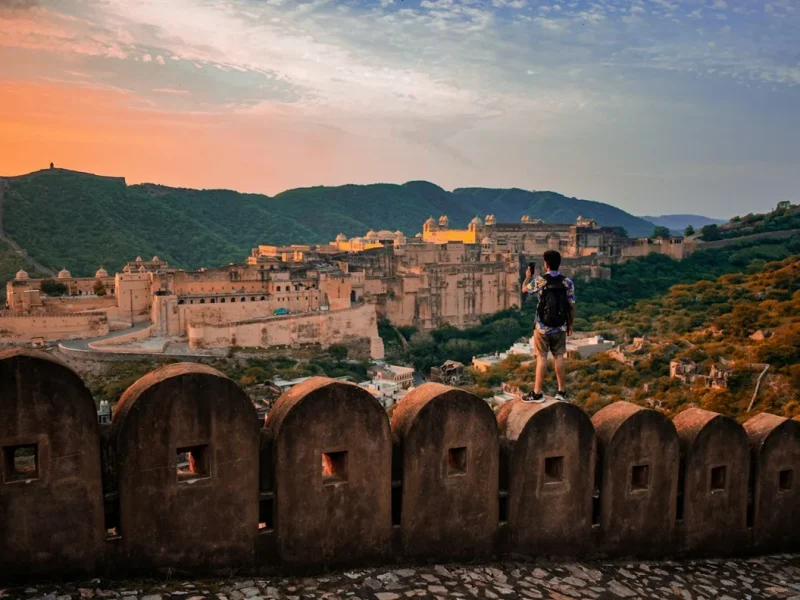
Summer in most of India means one thing: heat you’re actively trying to escape. The good news is the country has an unusually large number of places built for exactly that — misty hill stations, high-altitude cold deserts, and even a couple of islands that hit their best weather right before monsoon shuts them down. This guide sorts 18 of the best summer escapes by region, with the practical details — temperature, what to actually do there, how long to stay, and who it suits — that make the difference between a good trip and a rushed one.
Quick Comparison: Best Places to Visit in Summer in India
| Destination | Region | Avg. Summer Temp | Best Suited For |
|---|---|---|---|
| Manali | Himachal Pradesh | 15°C–25°C | Families, friends, adventure |
| Shimla | Himachal Pradesh | 15°C–28°C | Families, easy sightseeing |
| Leh-Ladakh | Ladakh | 10°C–25°C | Adventure seekers, solo riders |
| Srinagar & Gulmarg | Jammu & Kashmir | 10°C–25°C | Couples, honeymooners |
| Mussoorie | Uttarakhand | 15°C–25°C | Families, weekend travelers |
| Nainital | Uttarakhand | 15°C–27°C | Families, lake lovers |
| Spiti Valley | Himachal Pradesh | 5°C–20°C | Adventure seekers, road trippers |
| Ooty | Tamil Nadu | 15°C–25°C | Families, first-timers to South India hills |
| Munnar | Kerala | 15°C–25°C | Couples, nature lovers |
| Kodaikanal | Tamil Nadu | 15°C–24°C | Couples, peace seekers |
| Coorg | Karnataka | 18°C–28°C | Couples, families |
| Wayanad | Kerala | 20°C–30°C | Families, adventure |
| Gangtok & Pelling | Sikkim | 15°C–25°C | Couples, culture seekers |
| Darjeeling | West Bengal | 12°C–22°C | Families, tea lovers |
| Tawang | Arunachal Pradesh | 5°C–20°C | Offbeat adventure seekers |
| Shillong | Meghalaya | 15°C–25°C | Couples, offbeat travelers |
| Andaman & Nicobar | Bay of Bengal | 25°C–32°C | Couples, water sports lovers |
| Lakshadweep | Arabian Sea | 25°C–32°C | Couples, scuba enthusiasts |
Best months within summer are generally April and May for most hill destinations, with June marking the shift toward monsoon in many regions — check individual sections below for specifics.
North India & High Himalayas
1. Manali, Himachal Pradesh
Manali stays reliably cool even as the plains bake, with Solang Valley’s adventure activities and Old Manali’s café scene both in full swing during peak summer.
- Average Summer Temperature: 15°C–25°C
- Key Attractions: Solang Valley, Rohtang Pass (permit and weather-dependent), Old Manali cafés, Hadimba Temple
- Ideal Duration: 3–4 Days
- Best Suited For: Families, friend groups, adventure seekers
- How to Reach: Nearest airport is Bhuntar (Kullu); well connected by Volvo buses from Delhi ISBT
2. Shimla, Himachal Pradesh
The most accessible hill station from Delhi, with a genuinely lively Mall Road scene and comfortable summer weather that rarely feels extreme in either direction.
- Average Summer Temperature: 15°C–28°C
- Key Attractions: Mall Road and the Ridge, Kufri, the Kalka-Shimla toy train, Jakhoo Temple
- Ideal Duration: 2–3 Days
- Best Suited For: Families, easy weekend sightseeing
- How to Reach: Nearest railway station is Kalka, connected by the scenic toy train; regular buses from Delhi ISBT
If you’re weighing Shimla against other options within a few hours of Delhi, our Hill Stations Near Delhi guide covers several more side by side.
3. Leh-Ladakh
Ladakh’s high-altitude passes typically open by late May, making early summer the start of the region’s short but spectacular travel season — stark landscapes, turquoise lakes, and roads that stay dry all season since Ladakh sits in the Himalayan rain-shadow zone.
- Average Summer Temperature: 10°C–25°C
- Key Attractions: Pangong Lake, Nubra Valley, Khardung La, monastery visits
- Ideal Duration: 5–7 Days
- Best Suited For: Adventure seekers, solo riders, road trippers
- How to Reach: Kushok Bakula Rimpochee Airport, Leh; or a multi-day road trip via Manali
Given the altitude and physical demands here, if you’re traveling alone, our best places for a solo trip guide has specific safety and acclimatization notes worth reading first.
4. Srinagar & Gulmarg, Jammu & Kashmir
Srinagar’s Dal Lake houseboats and Gulmarg’s meadows (which trade their winter snow for wildflowers by summer) together make Kashmir one of India’s most classic summer escapes.
- Average Summer Temperature: 10°C–25°C (Gulmarg runs cooler than Srinagar)
- Key Attractions: Dal Lake shikara rides, Mughal Gardens, the Gulmarg Gondola, meadow walks
- Ideal Duration: 4–5 Days
- Best Suited For: Couples, honeymooners
- How to Reach: Srinagar Airport, with Gulmarg roughly a 1.5–2 hour drive away
5. Mussoorie, Uttarakhand
The “Queen of Hills” delivers sweeping valley views and a livelier Mall Road than most Uttarakhand hill towns, with the newly improved Delhi-Dehradun Expressway cutting travel time noticeably.
- Average Summer Temperature: 15°C–25°C
- Key Attractions: Mall Road, Kempty Falls, Gun Hill ropeway, Lal Tibba
- Ideal Duration: 2–3 Days
- Best Suited For: Families, weekend travelers from Delhi
- How to Reach: Nearest railway station and airport (Jolly Grant) both in Dehradun
6. Nainital, Uttarakhand
Built around the picturesque Naini Lake, Nainital blends boating and Mall Road strolls with easy access to the wider Kumaon region.
- Average Summer Temperature: 15°C–27°C
- Key Attractions: Naini Lake boating, Snow View Point ropeway, Naina Peak
- Ideal Duration: 2–3 Days
- Best Suited For: Families, lake and boating enthusiasts
- How to Reach: Nearest railway station is Kathgodam, followed by a short drive
7. Spiti Valley, Himachal Pradesh
Spiti is really only accessible June through September, once mountain passes clear — a stark, cold high-altitude desert landscape that feels closer to Ladakh than the rest of Himachal.
- Average Summer Temperature: 5°C–20°C
- Key Attractions: Key Monastery, Chandratal Lake, Kaza’s high-desert villages
- Ideal Duration: 5–6 Days
- Best Suited For: Adventure seekers, road trippers comfortable with basic amenities
- How to Reach: Via Manali (Kunzum Pass route) or Shimla-Kinnaur, both multi-day road journeys
South India Hill Stations
8. Ooty, Tamil Nadu
The Nilgiris’ most iconic hill station, connected to Coonoor and Mettupalayam by the UNESCO-listed Nilgiri Mountain Railway — a genuinely easy, comfortable summer escape for South Indian travelers avoiding the plains’ heat.
- Average Summer Temperature: 15°C–25°C
- Key Attractions: Nilgiri Mountain Railway, Ooty Lake, Botanical Gardens, Doddabetta Peak
- Ideal Duration: 2–3 Days
- Best Suited For: Families, first-timers to South Indian hill stations
- How to Reach: Nearest airport is Coimbatore; nearest railway station is Mettupalayam
9. Munnar, Kerala
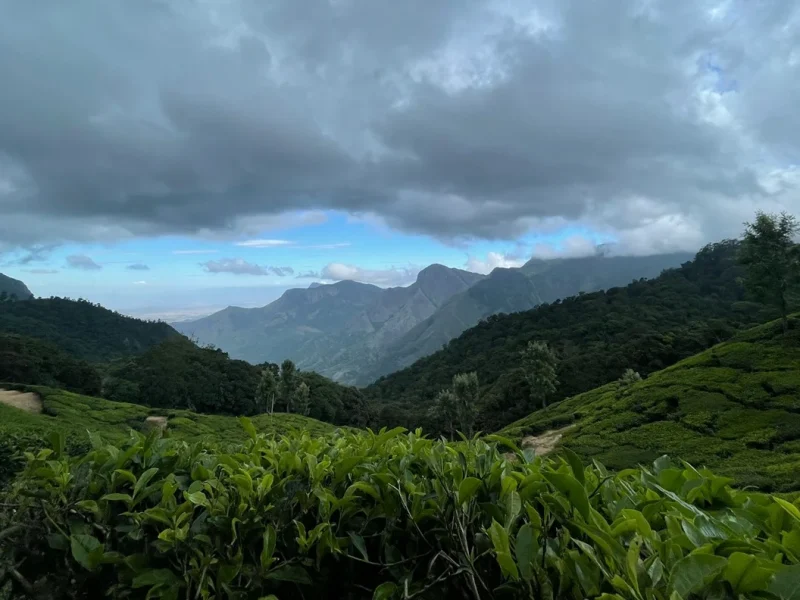
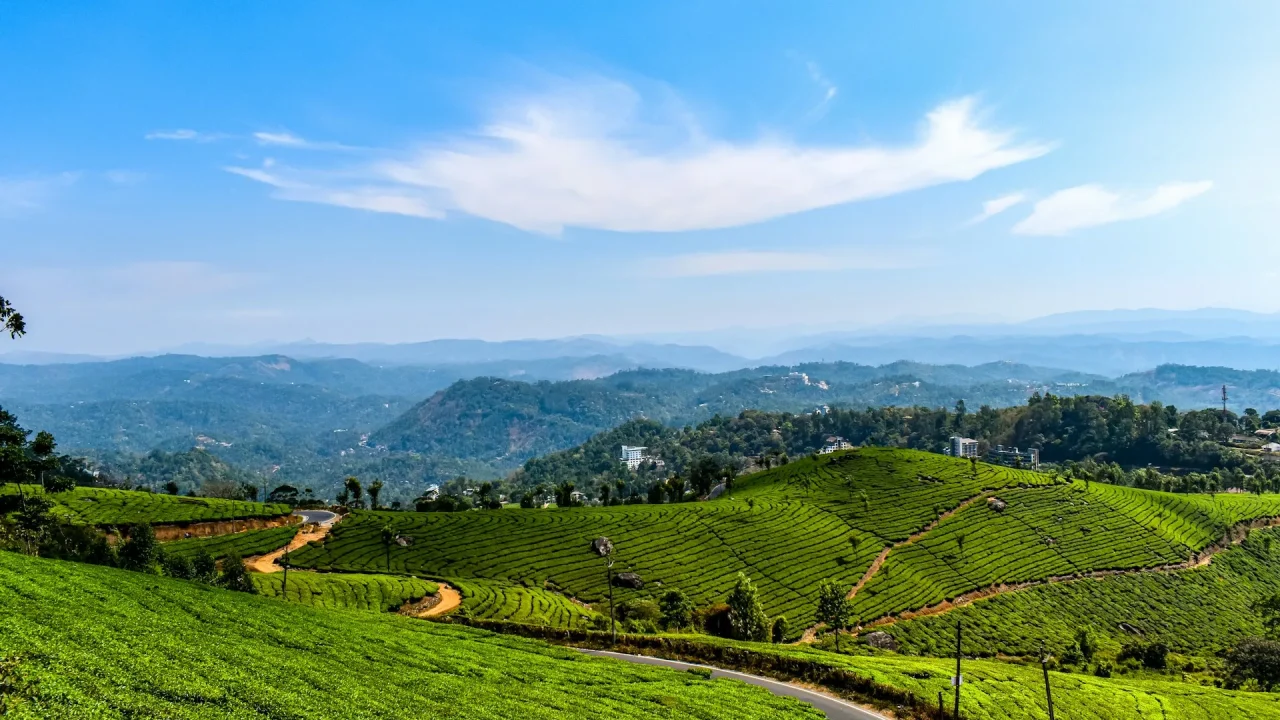
Munnar’s rolling tea estates stay green and cool through summer, making it one of the most reliably pleasant Western Ghats escapes in this season.
- Average Summer Temperature: 15°C–25°C
- Key Attractions: Kolukkumalai tea plantations, Eravikulam National Park, Mattupetty Dam
- Ideal Duration: 3–4 Days
- Best Suited For: Couples, nature lovers
- How to Reach: Nearest airport is Kochi (about 130 km)
10. Kodaikanal, Tamil Nadu
Known as the “Princess of Hill Stations,” Kodaikanal’s lake and pine forests offer a quieter alternative to Ooty with a similarly comfortable summer climate.
- Average Summer Temperature: 15°C–24°C
- Key Attractions: Kodai Lake boating, Coaker’s Walk, Pillar Rocks
- Ideal Duration: 2–3 Days
- Best Suited For: Couples, peace seekers
- How to Reach: Nearest railway station is Kodai Road; nearest airport is Madurai
11. Coorg, Karnataka
Coorg’s coffee estates stay pleasantly cool through summer, offering a relaxed pace built around plantation stays rather than heavy sightseeing.
- Average Summer Temperature: 18°C–28°C
- Key Attractions: Coffee estate walks, Abbey Falls, Raja’s Seat
- Ideal Duration: 2–3 Days
- Best Suited For: Couples, families wanting a slower pace
- How to Reach: Nearest airport is Mangalore; nearest railway station is Mysore
12. Wayanad, Kerala
A greener, more forest-heavy alternative to Munnar, with wildlife safaris and trekking that work well before the region’s heavier monsoon rains set in.
- Average Summer Temperature: 20°C–30°C
- Key Attractions: Wayanad Wildlife Sanctuary safaris, Chembra Peak trek, Edakkal Caves
- Ideal Duration: 3 Days
- Best Suited For: Families, adventure-minded travelers
- How to Reach: Nearest airport is Kozhikode (Calicut), approximately 85–95 km away via the Thamarassery ghat pass
North-East Escapes
13. Gangtok & Pelling, Sikkim
Sikkim pairs Gangtok’s walkable, café-friendly town center with Pelling’s more direct Kanchenjunga views — both genuinely comfortable through summer.
- Average Summer Temperature: 15°C–25°C
- Key Attractions: Tsomgo Lake, monastery visits, MG Marg café culture
- Ideal Duration: 4–5 Days
- Best Suited For: Couples, culture-focused travelers
- How to Reach: Nearest airport is Bagdogra, followed by a road journey
14. Darjeeling, West Bengal
Darjeeling’s tea gardens and Tiger Hill sunrise views over Kanchenjunga remain a summer classic, with noticeably cooler temperatures than most of this list.
- Average Summer Temperature: 12°C–22°C
- Key Attractions: Tiger Hill sunrise, Darjeeling Himalayan Railway, tea estate visits
- Ideal Duration: 3–4 Days
- Best Suited For: Families, tea enthusiasts
- How to Reach: Nearest airport is Bagdogra; nearest railway station is New Jalpaiguri (NJP)
15. Tawang, Arunachal Pradesh
One of India’s most offbeat high-altitude destinations, home to one of the largest Buddhist monasteries in the country — genuinely demanding to reach, but rewarding for travelers willing to make the trip.
- Average Summer Temperature: 5°C–20°C
- Key Attractions: Tawang Monastery, Sela Pass, Bumla Pass (permit-dependent)
- Ideal Duration: 4–5 Days
- Best Suited For: Offbeat adventure seekers
- How to Reach: Nearest airport is Guwahati, followed by a long, scenic road journey; permits required for both domestic and foreign travelers
16. Shillong, Meghalaya
Shillong’s cooler climate and distinct Khasi culture make it a genuinely different kind of summer hill escape, with a strong café scene and easy access to Meghalaya’s waterfalls and root bridges.
- Average Summer Temperature: 15°C–25°C
- Key Attractions: Ward’s Lake, Police Bazaar, day trips to Cherrapunji
- Ideal Duration: 3 Days
- Best Suited For: Couples, offbeat travelers
- How to Reach: Nearest airport is Guwahati (LGBI Airport, ~120 km / 3 hrs away); limited direct flights also operate to Shillong Airport (Umroi, SHL)
Beach & Island Exception
17. Andaman & Nicobar Islands
Late spring into early summer (roughly March to May) is actually one of the better windows for the Andamans, with calm seas and clear water ideal for scuba diving before monsoon rolls in around June.
- Average Summer Temperature: 25°C–32°C
- Key Attractions: Radhanagar Beach, scuba diving at Havelock Island, Cellular Jail
- Ideal Duration: 5–6 Days
- Best Suited For: Couples, water sports lovers
- How to Reach: Veer Savarkar International Airport, Port Blair
18. Lakshadweep
Lakshadweep’s tourist season typically runs through May before closing for monsoon, making early summer one of the last clear windows to visit before the islands shut down for several months.
- Average Summer Temperature: 25°C–32°C
- Key Attractions: Scuba diving and snorkeling at Agatti and Bangaram, lagoon boat rides
- Ideal Duration: 4–5 Days
- Best Suited For: Couples, scuba and diving enthusiasts
- How to Reach: Flights to Agatti Island from Kochi, or ships from Kochi to other islands; permits required for all visitors
Best Places by Traveler Type
- Family Vacations: Shimla, Nainital, Ooty, and Darjeeling offer easy accessibility, good resort options, and mild temperatures without demanding treks.
- Honeymooners & Couples: Srinagar/Gulmarg, Munnar, and Sikkim (Gangtok/Pelling) consistently rank among the most romantic, picturesque options on this list.
- Adventure Seekers & Youth: Leh-Ladakh, Spiti Valley, and Tawang cover high-altitude road trips and genuine off-the-beaten-path terrain.
For the fuller Himalayan and hill-station picture beyond just summer, our mountain places to visit in India guide covers the full range across all seasons.
Budget vs. Luxury Destinations
Mount Abu and Kasauli (both easily added to a Rajasthan or Himachal circuit) are among the most budget-friendly hill escapes on offer, with simple guesthouses and low daily costs. On the luxury end, Coorg’s estate resorts, Gulmarg’s premium properties near the gondola, and Sikkim’s boutique mountain hotels run considerably higher, particularly during peak May-June demand.
Practical Summer Travel Tips
Book Hotels Early
April through June is peak season for nearly every destination on this list, since it overlaps with school summer holidays across India. Book accommodation at least 3–4 weeks ahead for popular spots like Manali, Shimla, and Ooty, and earlier still for anything falling around a public holiday weekend.
Pack for Temperature Swings
Even in summer, high-altitude destinations (Leh-Ladakh, Spiti, Tawang, Gulmarg) see genuinely cold nights — pack light woolens and a proper jacket regardless of how warm the days feel. Lower hill stations (Ooty, Munnar, Coorg) need far less extreme packing, just light layers for cooler evenings.
Navigate Peak-Season Crowds
Weekday travel and early morning starts at major viewpoints (Kufri, Tiger Hill, Gun Hill) make a real difference during peak summer months, when weekend crowds at popular hill stations can be genuinely overwhelming.
Watch the Calendar for Monsoon Transition
Many of these destinations shift dramatically once monsoon arrives around June-July — some, like the Western Ghats hill stations, actually get better; others, like Lakshadweep, close entirely. If you’re curious about that transition, our places to visit in monsoon guide covers what happens next across these same regions.
Frequently Asked Questions
Manali, Shimla, and Ooty are consistently the most popular and accessible choices, each offering reliably cool weather, established tourist infrastructure, and easy connectivity from major cities.
April and May are generally the best months — pleasant temperatures across nearly all destinations on this list, with June marking the start of monsoon transition in many regions, particularly the Western Ghats and parts of the Himalayas.
Rohtang Pass near Manali and Zero Point near Yumthang Valley in Sikkim typically retain patches of snow into early summer, though exact conditions vary year to year.
Yes — summer (roughly late May through September) is actually the only window Leh-Ladakh is accessible by road, since high mountain passes stay snow-blocked the rest of the year.
Shimla, Nainital, Ooty, and Darjeeling are the easiest options for families, combining mild weather with manageable sightseeing that doesn’t demand serious trekking or high-altitude acclimatization.