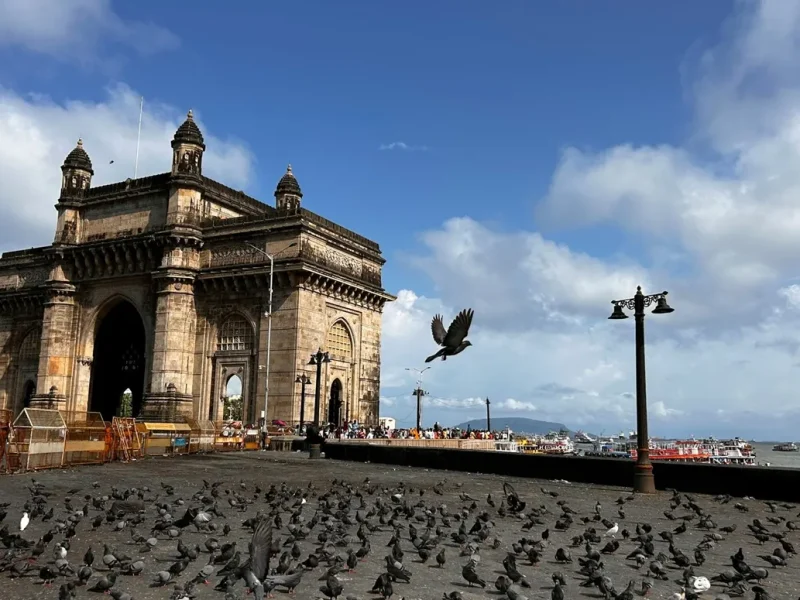
Deciding where to stay in Mumbai is the single most important planning decision for your trip. Because Mumbai is built along a narrow, 40-kilometer coastal peninsula, choosing the wrong base can easily trap you in grueling, two-hour cross-city commutes. The neighborhood you select determines not only how much time you spend in transit, but also the character of your daily experience—from quiet, colonial-era tree-lined avenues to bustling seaside boulevards or glossy modern financial quarters.
For first-time international visitors, historic South Mumbai (Colaba and Fort) provides immediate pedestrian access to colonial monuments and the Arabian Sea. In contrast, travelers seeking contemporary cafe culture, boutique nightlife, and coastal sunsets gravitate toward the Western Suburbs of Bandra and Juhu, while business travelers and short-stay flyers benefit from the modern towers of the Bandra-Kurla Complex (BKC) or the airport perimeter.
Overview: Mumbai Neighborhood Comparison Matrix
Before booking your accommodations, compare Mumbai’s primary neighborhoods by vibe, transit connectivity, and traveler suitability:
| Neighborhood | Primary Vibe | Best Suited For | Transit & Access | Typical Budget Range |
|---|---|---|---|---|
| Colaba & Fort | Colonial, heritage, bustling street markets | First-time visitors, history lovers, sightseers | Metered taxis, local trains (CSMT/Churchgate), Metro Line 3 | Budget guesthouses to iconic 5-star luxury |
| Marine Drive & Nariman Point | Scenic sea promenades, Art Deco boulevards | Luxury travelers, sunset lovers, couples | Churchgate railway station, direct coastal road access | Upscale to high-end luxury |
| Bandra West & Khar | Bohemian, trendy cafes, boutique shopping | Foodies, nightlife seekers, long-stay travelers | Bandra local station, Bandra-Worli Sea Link | Mid-range boutique hotels, apartments, luxury rentals |
| Bandra-Kurla Complex (BKC) | Corporate, wide glass avenues, high-end dining | Business executives, fine dining, upscale leisure | Metro Line 3, centrally positioned between north & south | Predominantly 5-star luxury international brands |
| Andheri East & Airport Zone | Commercial, transit-oriented, fast-paced | Layover travelers, early flights, short visits | Chhatrapati Shivaji Maharaj International Airport (BOM), Metro | Budget airport inns to full-service business hotels |
1. Colaba and Fort: Best for First-Time Visitors and Heritage Sightseeing
Positioned at the southernmost tip of the city, Colaba and the adjacent Fort financial quarter form the historic heart of colonial Bombay. Staying here places you within walking distance of Mumbai’s most famous monuments, Victorian Gothic avenues, and the ferry terminal to Elephanta Caves.
Why Stay in Colaba & Fort
- Immediate Walkability: Unlike the rest of sprawling Mumbai, you can comfortably explore the Gateway of India, the Chhatrapati Shivaji Maharaj Vastu Sangrahalaya (CSMVS Museum), and the Kala Ghoda art precinct on foot. To map out your daily itinerary from here, check out our complete guide to the top places to visit in Mumbai across both historic and modern districts.
- Distinctive Atmosphere: Grand British-era architecture, historic Irani cafes (such as Cafe Mondegar and Cafe Leopold), and bustling souvenir stalls along Colaba Causeway.
- Broad Range of Stays: Features everything from backpacker hostels tucked down residential lanes to world-renowned heritage properties like The Taj Mahal Palace.
Drawbacks to Consider
- Transit Restrictions: Three-wheeled auto-rickshaws are strictly banned from operating in South Mumbai; all street transit requires metered black-and-yellow cabs (*kaali-peelis*) or ride-hailing apps.
- Older Property Infrastructure: Budget and mid-tier accommodations often occupy aging heritage buildings with compact room layouts or historic plumbing quirks.
2. Marine Drive and Nariman Point: Best for Seaside Luxury and Scenic Vistas
Curving along the Arabian Sea from Nariman Point up toward Malabar Hill, Marine Drive provides panoramic views of Back Bay and Mumbai’s celebrated UNESCO-listed Art Deco residential facades. Nariman Point, at the southern corner, serves as South Mumbai’s original central business district.
Why Stay Along Marine Drive
- Spectacular Sea Views: Watching the sunset along the sea wall and seeing the sweep of the “Queen’s Necklace” illuminated at night is a quintessential Mumbai experience.
- Refined, Calmer Pace: The wide sea promenade feels spacious and breezy compared to the dense street markets of central Colaba.
- Proximity to Churchgate: Churchgate railway station provides immediate access to the Western suburban line for rapid northbound travel.
Drawbacks to Consider
- High Cost of Entry: Accommodations along the promenade are heavily skewed toward premium five-star hotels (such as The Oberoi and Trident Nariman Point), offering very few budget or mid-range alternatives.
3. Bandra West: Best for Cafe Culture, Nightlife, and Bohemian Energy
Known as the “Queen of the Suburbs,” Bandra West blends historic Portuguese village heritage with Mumbai’s most vibrant culinary, fashion, and artistic scenes. It is home to Bollywood actors, creative studios, and leafy enclaves like Pali Hill and Ranwar Village.
Why Stay in Bandra West
- Unmatched Dining and Nightlife: The highest concentration of artisanal coffee roasters, craft cocktail bars, sourdough bakeries, and coastal seafood dining rooms in the city. If exploring regional cuisines is high on your agenda, dive into our curated guide to the famous food to try in Mumbai, from street-side vada pav to coastal Malvani curries.
- Coastal Living: Walking distance to the Bandstand and Carter Road promenades, where residents gather at sunset overlooking the open ocean.
- Strategic Geographic Position: Situated right at the northern landing of the Bandra-Worli Sea Link, Bandra allows for quick taxi runs into South Mumbai while keeping you close to the airport.
Drawbacks to Consider
- Fewer Traditional Hotels: Bandra has a limited supply of large, full-service hotels; accommodations are dominated by boutique stays, serviced apartments, and guesthouses that book out weeks in advance.
4. Bandra-Kurla Complex (BKC): Best for Business and Modern Luxury
Constructed as a master-planned financial district, the Bandra-Kurla Complex is Mumbai’s modern commercial power center. Lined with landscaped corporate avenues, high-end conference venues (including the Jio World Centre), and luxury international hotel brands, it offers a stark architectural contrast to the colonial south.
Why Stay in BKC
- World-Class Hotel Standards: Houses premier international business luxury hotels (such as the Trident BKC, Sofitel, and nearby Grand Hyatt) featuring spacious modern rooms, spa centers, and award-winning dining.
- Central Connectivity: Centrally positioned between South Mumbai and the northern suburbs, with rapid access to the international airport and underground transit via Mumbai Metro Line 3 (Aqua Line).
- Safe and Modern Infrastructure: Wide sidewalks, reliable street lighting, and manicured commercial surroundings.
Drawbacks to Consider
- Lacks Historic Character: BKC is an office district; on weekends and late evenings, the streets quiet down substantially, lacking the organic street life and neighborhood markets found in older quarters.
5. Andheri East & Airport Corridor: Best for Layovers and Short Stays
The urban zone surrounding Chhatrapati Shivaji Maharaj International Airport (spanning Sahar, Andheri East, and Kurla) is designed for transit convenience. Packed with international hotel towers and serviced business inns, it is the practical choice for overnight flight connections or travelers arriving late at night.
Why Stay Near the Airport
- Stress-Free Flight Timing: Eliminates the anxiety of navigating Mumbai’s notorious highway traffic before early-morning international departures.
- Modern Transit Links: Well-connected via the elevated Mumbai Metro Line 1 and the underground Aqua Line (Line 3), connecting you easily across east-west corridors.
- Diverse Price Points: From reliable business chains (like the JW Marriott Mumbai Sahar and ITC Maratha) to budget-friendly boutique transit hotels.
Drawbacks to Consider
- Distanced from Primary Sights: Reaching the historic sights of South Mumbai (Colaba and Fort) requires at least 45 to 70 minutes depending on transit and time of day.
How to Choose the Right Area for Your Travel Style
- For First-Time Sightseers (3–4 Days): Base yourself in Colaba or near Churchgate. You can tour the Gateway of India, CSMT, and Kala Ghoda on foot, take early morning boat trips to Elephanta, and enjoy evening strolls along Marine Drive without cross-city taxi stress.
- For Solo Travelers and Backpackers: Look for social hostels and boutique guesthouses in Colaba or Bandra West. Bandra offers a welcoming, creative cafe scene, while Colaba offers immediate proximity to fellow international travelers and walking tours.
- For Luxury Vacationers and Honeymooners: Choose a sea-facing suite along Marine Drive or book a heritage room inside the historic Palace wing of The Taj Mahal Palace in Colaba.
- For Short Layover Stays (Under 24 Hours): Book a hotel directly adjacent to Terminal 2 in Andheri East / Sahar to avoid losing hours on the Western Express Highway.
Essential Practical Travel & Accommodation Advice
- Book Early for Peak Winter Months: The winter travel window between November and February brings pleasant weather and peak international tourism. Stays in South Mumbai and Bandra routinely sell out 6 to 8 weeks in advance during this window.
- Understand Local Transport Rules: Remember that three-wheel auto-rickshaws do not operate in South Mumbai (south of Sion and Mahim). If staying in Colaba, Fort, or Marine Drive, plan to hail metered black-and-yellow taxis (*kaali-peelis*) or book through Uber and Ola.
- Leverage the Underground Metro: The underground Mumbai Metro Line 3 (Aqua Line) connects Cuffe Parade and Churchgate in South Mumbai directly through Worli, BKC, and both international and domestic airport terminals, offering a reliable alternative to rush-hour road traffic.
- Verify State-Certified Stays: For government-approved heritage properties, verified homestays, and regional tourism lodging, consult the official Department of Tourism Maharashtra Accommodation Portal.
Frequently Asked Questions
If your primary goal is historical sightseeing, visiting colonial monuments (Gateway of India, CSMT), and walking to museums, South Mumbai (Colaba or Fort) is far better. If you prioritize independent cafes, contemporary fashion, energetic nightlife, and a relaxed coastal suburb atmosphere, choose Bandra West.
For a short layover, stay in Andheri East or Sahar directly adjacent to Chhatrapati Shivaji Maharaj International Airport (Terminal 2). Traveling down to South Mumbai can take over an hour each way during morning and evening rush hours, making an airport-adjacent stay much safer for tight flight connections.
No. By municipal traffic regulations, auto-rickshaws are prohibited from operating south of Mahim and Sion. When staying in Colaba, Fort, or along Marine Drive, you must use metered black-and-yellow taxis (*kaali-peelis*), local trains, or ride-hailing apps like Uber and Ola.
Mumbai is widely considered one of the safest metropolitan cities in India. For solo travelers, Colaba and Fort offer active street presence and walkable tourist infrastructure, while Bandra West (especially residential areas like Pali Hill and Bandstand) provides a welcoming, walkable neighborhood with vibrant cafes and safe evening dining.