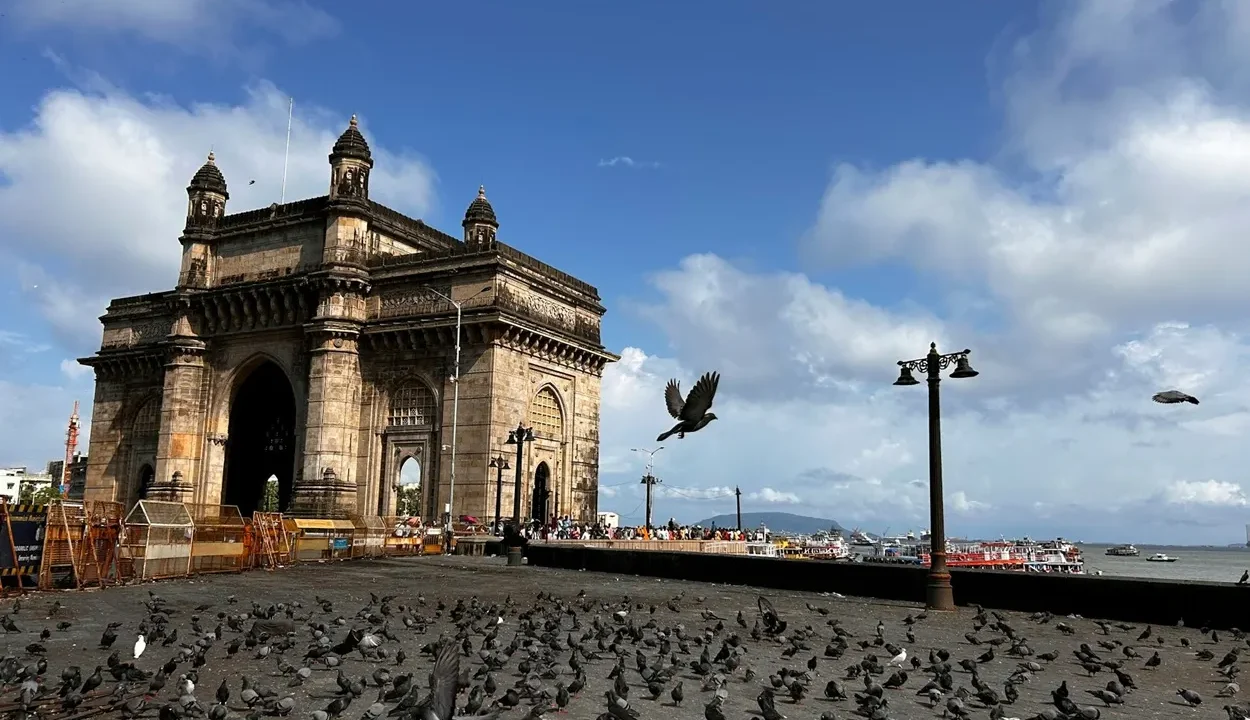
Finding the top places to visit in Mumbai requires understanding the rhythm of India’s most energetic coastal metropolis. Built across seven historic islands that were gradually reclaimed and bridged over centuries, Mumbai stretches along a long north-south peninsula where Victorian Gothic landmarks, bustling seaside promenades, sacred island shrines, and thriving creative neighborhoods sit side by side.
Because the city spans more than 40 kilometers from the southern harbor to the northern national park, haphazard sightseeing will leave you stranded in traffic. Grouping your itinerary into distinct geographic zones—historic South Mumbai, the central sea fronts, and the vibrant western suburbs—ensures an efficient, rewarding travel experience. To minimize daily commute times across these districts, explore our curated guide on where to stay in Mumbai to select the best neighborhood base for your travel style.
Overview: Mumbai’s Top Attractions at a Glance
Before planning your daily routes, review how Mumbai’s primary landmarks compare in location, visit duration, and operational schedules:
| Attraction | Zone | Nearest Station / Landmark | Typical Duration | Weekly Closure |
|---|---|---|---|---|
| Gateway of India | South Mumbai (Colaba) | Churchgate / CSMT Station | 45 – 60 minutes | Open Daily |
| Chhatrapati Shivaji Maharaj Terminus (CSMT) | South Mumbai (Fort) | CSMT Railway Station | 45 minutes | Open Daily (functioning terminal) |
| Elephanta Caves | Mumbai Harbour (Island) | Ferry from Gateway of India | 4 – 5 hours (incl. ferry) | Mondays |
| Marine Drive & Chowpatty | South Mumbai | Marine Lines / Churchgate | 1 – 2 hours | Open Daily |
| CSMVS Museum | South Mumbai (Kala Ghoda) | Churchgate / CSMT | 2 – 2.5 hours | Open Daily (check holidays) |
| Haji Ali Dargah | Worli Coast | Mahalaxmi Station | 1 – 1.5 hours | Open Daily (tide dependent) |
| Bandra Bandstand & Pali Hill | Western Suburbs | Bandra Station | 2 – 3 hours | Open Daily |
| Sanjay Gandhi National Park | Northern Suburbs (Borivali) | Borivali Station | Half to full day | Mondays |
Historic South Mumbai: Colonial Architecture and Maritime Heritage
South Mumbai (SoBo) contains the historic core of Bombay. Lined with broad avenues, heritage banyan trees, and colonial buildings, this district is best explored on foot or via metered black-and-yellow taxis.
1. Gateway of India
Erected to commemorate the landing of King George V and Queen Mary in 1911, the Gateway of India is an imposing 26-meter basalt arch built in the Indo-Saracenic style, blending traditional Hindu and Muslim decorative motifs with European triumphal architecture. Positioned on the waterfront overlooking Mumbai Harbour, it stands directly opposite the historic Taj Mahal Palace Hotel.
- Location: Apollo Bunder, Colaba.
- Time Required: 45 to 60 minutes.
- Visitor Tip: Arrive early in the morning (around 07:00 AM) to photograph the arch and watch fishing boats in the harbor before the plaza fills with tourists, photographers, and boat operators.
2. Chhatrapati Shivaji Maharaj Terminus (CSMT)
A UNESCO World Heritage Site designed by British architect F. W. Stevens and completed in 1887, CSMT (formerly Victoria Terminus) is an exceptional example of Victorian Gothic Revival architecture blended with Indian classical craftsmanship. The exterior features ornate stone carvings, pointed arches, stained-glass windows, and a high central masonry dome topped by a statue representing Progress.
- How to Experience: While millions pass through its gates daily as a functioning commuter terminal, architecture enthusiasts can admire the facade from the dedicated viewing gallery on the plaza across the street. The building is illuminated in vibrant colors every evening.
- Time Required: 30 to 45 minutes for exterior viewing and photography.
3. Elephanta Caves
Located on Gharapuri Island in Mumbai Harbour roughly 10 kilometers east of the mainland, the UNESCO World Heritage-listed Elephanta Caves feature rock-cut cave temples dating from the 5th to 7th centuries. The main cave (Cave 1) contains monumental relief panels dedicated to Lord Shiva, dominated by the renowned 6-meter-tall three-headed Sadashiva (Trimurti) sculpture representing the creator, preserver, and destroyer aspects of the divine.
- Transport: Ferries depart regularly from the jetties behind the Gateway of India. The crossing takes approximately one hour each way.
- Important Notice: The caves and ferry services are closed every Monday.
- Time Required: 4 to 5 hours round trip, including ferry transit and climbing the island steps.
4. Chhatrapati Shivaji Maharaj Vastu Sangrahalaya (CSMVS)
Formerly the Prince of Wales Museum, CSMVS is Mumbai’s premier art and history museum, set within landscaped heritage gardens in the Kala Ghoda art precinct. Designed by George Wittet, the building features an impressive Indo-Saracenic tiled dome. Inside, curated galleries house over 50,000 artifacts, including ancient Indus Valley relics, medieval Indian bronzes, Tibetan thangkas, and miniature paintings.
- Combine With: The surrounding Kala Ghoda Art Precinct, which is filled with independent art galleries, heritage bookstores, and open-air cafes.
- Time Required: 2 to 2.5 hours.
The Waterfronts: Promenades, Sunsets, and Sea Shrines
5. Marine Drive and the Queen’s Necklace
Curving along the Arabian Sea for 3.6 kilometers from Nariman Point to Malabar Hill, Marine Drive is Mumbai’s most beloved public space. Flanked by a wide pedestrian promenade and one of the world’s largest collections of Art Deco residential buildings, it transforms at night into the “Queen’s Necklace,” when streetlights trace the curve of the bay like glowing pearls.
- Girgaon Chowpatty: The northern curve of the drive ends at Chowpatty Beach, famous for evening crowds gathering to eat local street snacks such as bhel puri, sev puri, and kulfi.
- Best Time: Late afternoon to sunset, when cooling sea breezes sweep across the Arabian Sea.
6. Haji Ali Dargah
Constructed in the 19th century on a small rocky islet off the coast of Worli, the Haji Ali Dargah is a revered Indo-Islamic shrine and tomb of the wealthy merchant-turned-Sufi saint Pir Haji Ali Shah Bukhari. The white marble complex is connected to the mainland by a narrow 500-meter paved causeway that is submerged by water during high tide, making visits dependent on tidal conditions.
- Visitor Etiquette: Open to visitors of all faiths. Modest dress covering shoulders and legs is required, and shoes must be removed before entering the courtyard.
- Safety Tip: Check regional tide tables before walking along the causeway; crossing is restricted during extreme high tide and heavy monsoon surges.
The Western Suburbs: Creative Quarters and Coastal Life
7. Bandra: Heritage Villages and Bandstand
Connected to South Mumbai via the eight-lane Bandra-Worli Sea Link cable-stayed bridge, Bandra is the cultural capital of the suburbs. Known for its historical Portuguese colonial heritage, the area preserves narrow winding lanes in the villages of Ranwar and Chimbai, adorned with colorful modern street art and centuries-old wooden cottages.
- Bandstand Promenade: Walk along the seaside past the historic Castella de Aguada (Bandra Fort) and the residences of prominent Bollywood actors.
- Mount Mary Basilica: A celebrated Roman Catholic basilica built on a hillock overlooking the sea, drawing pilgrims of diverse faiths.
- Time Required: Half day for walking, heritage discovery, and cafe visits in Pali Hill.
8. Juhu Beach
Located further north in the western suburbs, Juhu Beach is a broad expanse of sand where local families, joggers, and street food stalls gather. While not suited for swimming due to currents, it offers an authentic look into the city’s informal public life, particularly in the late afternoon when vendors serve freshly roasted corn on the cob (bhutta), pav bhaji, and sugarcane juice.
- Duration: 1 to 1.5 hours.
Nature and Ancient Roots: The Northern Wilderness
9. Sanjay Gandhi National Park and Kanheri Caves
Spanning over 100 square kilometers within the northern metropolitan boundaries of Borivali, Sanjay Gandhi National Park (SGNP) is one of the world’s few protected wilderness zones enclosed entirely within a megacity. Deep inside the forested interior sit the Kanheri Caves, a complex of 109 rock-cut Buddhist temples and monasteries carved out of basalt cliffs between the 1st century BCE and the 10th century CE.
- Access: Electric buses and rental bicycles run from the main park gates up to the base of the Kanheri Caves.
- Important Notice: SGNP and the caves are closed Mondays.
- Time Required: Half to full day.
Curated Sightseeing Recommendations by Interest
- For Architecture Enthusiasts: Take a morning walking tour through the Fort district, visiting the Bombay High Court, the Rajabai Clock Tower, Flora Fountain, and the residential Art Deco enclaves around Oval Maidan.
- For Food Lovers: Sample classic Parsi and Irani cafe staples like bun maska and berry pulao around Fort, or explore Mohammed Ali Road for traditional Mughlai kebabs and sweets. Don’t miss our comprehensive culinary guide to the top famous food to try in Mumbai covering street bites, coastal curries, and iconic desserts.
- For Cultural Shoppers: Browse Colaba Causeway for jewelry and brassware, explore Crawford Market for regional spices and dry fruits, or visit the designer boutiques of Pali Hill in Bandra.
- For Spiritual Observers: Visit the Siddhivinayak Temple in Prabhadevi (dedicated to Lord Ganesha) and the historic 19th-century Mahalaxmi Temple along the sea.
How to Plan Your Days: A Practical 2-Day Route
To avoid spending hours in cross-city traffic, divide your visit strictly along geographical corridors:
Day 1: Colonial Heritage and South Mumbai Waterfronts
- Morning (08:30 AM – 12:30 PM): Arrive at the Gateway of India and take the harbor ferry to explore the ancient rock sculptures of Elephanta Caves.
- Afternoon (01:30 PM – 04:00 PM): Return to the mainland for lunch at a heritage cafe in Colaba, followed by a visit to the CSMVS Museum and a walk through the Kala Ghoda Art Precinct.
- Late Afternoon / Evening (04:30 PM – 07:30 PM): Admire the illuminated facade of CSMT, then head to Marine Drive to watch the sunset from the sea wall and sample street snacks at Girgaon Chowpatty.
Day 2: Coastal Shrines, Sea Bridges, and Suburban Culture
- Morning (09:00 AM – 11:30 AM): Visit the historic Haji Ali Dargah during low tide, followed by the nearby Mahalaxmi Temple.
- Midday (12:00 PM – 02:30 PM): Drive north across the architectural Bandra-Worli Sea Link into Bandra for lunch in Pali Hill.
- Afternoon (03:00 PM – 06:00 PM): Explore the Portuguese street murals of Ranwar Village, visit Mount Mary Basilica, and stroll along the Bandra Bandstand promenade.
- Evening (06:30 PM onwards): Dine at a coastal seafood restaurant in Bandra or Juhu, sampling regional Malvani and coastal Maharashtrian dishes.
Practical Travel Advice: Transport, Safety, and Seasons
- Understanding Local Transit Rules: Auto-rickshaws operate exclusively in the suburbs (north of Mahim and Sion); they are strictly prohibited in South Mumbai. In South Mumbai, rely on metered black-and-yellow taxis (*kaali-peelis*), app-based rides (Uber or Ola), or the suburban railway network.
- Navigating the Trains: The Mumbai Suburban Railway (Western, Central, and Harbour lines) is exceptionally fast for north-south movement, but avoid traveling during morning (08:30 AM – 11:00 AM) and evening (05:30 PM – 08:30 PM) peak commute hours when trains experience extreme overcrowding. Dedicated first-class and women-only coaches are available. For state-curated tourism maps and district advice, check the official Department of Tourism Maharashtra Mumbai City Guide.
- Best Seasons to Visit: The ideal travel window spans November through February, when temperatures range between 20°C and 32°C with lower humidity. March through May brings high humidity and daytime heat, while the monsoon season (June through September) brings intense, continuous downpours that frequently inundate low-lying roads and disrupt ferry services.
Frequently Asked Questions
Major attractions closed on Mondays include the Elephanta Caves (as well as island ferry services) and the Sanjay Gandhi National Park / Kanheri Caves complex. If your itinerary includes a Monday, schedule visits to open sites like the Gateway of India, Marine Drive, Haji Ali Dargah, and heritage walks through South Mumbai.
No. By municipal regulation, auto-rickshaws are not allowed to operate south of Mahim and Sion. When traveling within South Mumbai (such as Colaba, Fort, Marine Drive, or Malabar Hill), you must use metered taxis, ride-hailing apps, or local trains.
Plan for roughly 4 to 5 hours total. The ferry ride from the Gateway of India takes about 60 minutes each way, and exploring the cave temples, climbing the 120 stone steps from the jetty, and viewing the museum exhibits requires approximately 2 to 2.5 hours on the island.
Mumbai is widely recognized as one of India’s safest metropolitan cities, with active street life well into the late evening. Standard travel precautions apply: use metered taxis or verified ride apps rather than unmetered private vehicles, keep valuables secure in crowded train stations and markets, and drink bottled or purified water.

