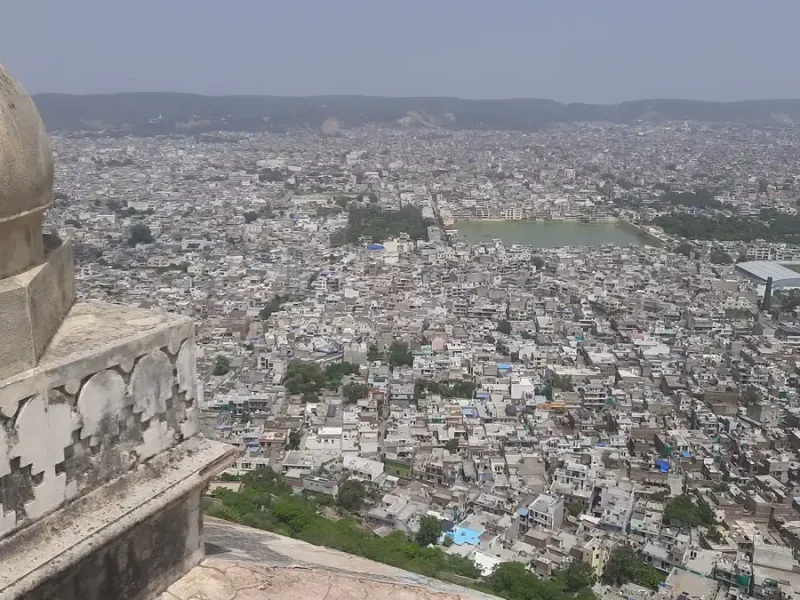
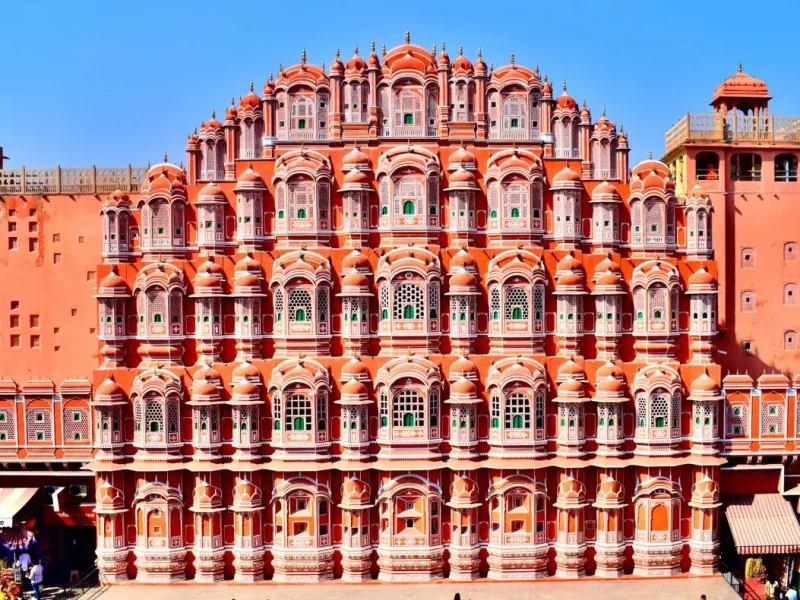
Deciding where to stay in Jaipur is essential to shaping your experience in Rajasthan’s capital. While the 18th-century Walled City holds the city’s most famous monuments—including Hawa Mahal and the City Palace—the vast majority of travelers choose to stay in the greener, quieter neighborhoods just outside the historic gates. Jaipur offers an extraordinary spectrum of accommodations, ranging from modest family-run Rajput havelis (traditional mansions) to former royal palaces and contemporary boutique hotels.
Because the city spans dense historic bazaars, relaxed residential quarters, and the outer hill valleys leading to the Aravalli forts, your chosen base dictates how easily you navigate city traffic. Organizing your options by neighborhood—whether you prioritize the leafy haveli enclave of Bani Park, the contemporary cafe culture of C-Scheme, the palatial grandeur of Civil Lines, or the resort corridors near Amber Fort—ensures a seamless and comfortable stay.
Overview: Jaipur Neighborhood Comparison Matrix
Before booking your accommodations, compare Jaipur’s primary lodging districts by character, budget range, and transit accessibility:
| Neighborhood | Primary Vibe | Best Suited For | Transit & Accessibility | Typical Budget Range |
|---|---|---|---|---|
| Bani Park | Leafy, residential, historic havelis | Heritage lovers, first-time visitors, budget to mid-range | 5–10 mins to Jaipur Junction; easy cab pickups | Budget guesthouses to mid-range boutique havelis |
| C-Scheme & Ashok Nagar | Trendy, upscale, cafe-lined, cosmopolitan | Foodies, shoppers, modern boutique seekers | Central location; walkable avenues; metro access nearby | Mid-range boutique to upscale contemporary hotels |
| Civil Lines | Exclusive, diplomatic, lush, serene | Luxury travelers, honeymooners, quiet retreats | Civil Lines Metro Station; wide, secure boulevards | High-end luxury and authentic palace estates |
| The Walled Pink City | Bustling, historic, sensory, compact | Backpackers, photographers, total immersion | Choti/Badi Choupad Metro; narrow alleys restrict cars | Budget hostels, modest heritage inns |
| Amer Road & Kukas | Scenic, mountain backdrop, expansive | Destination weddings, fort sightseers, resort stays | 15–30 mins north of city center; private vehicle required | Heritage luxury resorts to grand palace hotels |
1. Bani Park: Best for Restored Heritage Havelis and Mid-Range Value
Located just northwest of Jaipur Junction railway station, Bani Park is a peaceful residential quarter developed in the mid-20th century. Today, it is famous for housing the city’s highest concentration of restored Rajput havelis converted into boutique heritage hotels.
Why Stay in Bani Park
- Authentic Rajput Architecture: Accommodations in Bani Park frequently feature traditional stone jharokhas (overhanging enclosed balconies), scalloped arches, hand-painted floral frescoes, and central courtyard swimming pools.
- Quiet After Sightseeing: Unlike the bustling market corridors of the Old City, Bani Park’s residential lanes are quiet at night, offering peaceful sleep away from auto-rickshaw horns.
- Exceptional Price-to-Quality Ratio: You can stay in a full-service, atmospheric heritage property with leafy gardens and courtyard dining for the price of a standard modern hotel elsewhere.
Trade-Offs to Consider
- Bani Park is primarily residential; while it has reliable hotel restaurants and rooftop dining, it lacks the dense cluster of independent third-wave cafes and designer boutiques found in neighboring C-Scheme.
2. C-Scheme and MI Road: Best for Foodies, Nightlife, and Walkability
Positioned immediately southwest of the Walled City, C-Scheme (alongside neighboring Ashok Nagar and Mirza Ismail Road) is Jaipur’s most stylish and cosmopolitan district. It serves as the social epicenter for local creatives, entrepreneurs, and discerning travelers.
Why Stay in C-Scheme
- Premier Dining and Cafe Scene: Staying here puts you within walking distance of the city’s best artisanal coffee roasters, sourdough bakeries, craft cocktail lounges, and celebrated traditional sweet shops like LMB and Rawat Mishtan Bhandar on nearby MI Road.
- Designer Boutiques: The neighborhood is filled with concept stores showcasing contemporary Rajasthani block prints, ethical apparel, silver jewelry, and handcrafted homewares.
- Central Convenience: C-Scheme sits at the geographic center of the city, making taxi rides to both the Walled City monuments (10 minutes) and southern cultural spots like Albert Hall Museum exceptionally short.
Trade-Offs to Consider
- Hotels in C-Scheme tend toward modern boutique aesthetics or business luxury rather than sprawling historic garden estates.
3. Civil Lines: Best for Royal Palace Stays and Unrivaled Luxury
Civil Lines is Jaipur’s high-security administrative and diplomatic enclave, home to government ministers, the Governor’s official residence, and historic royal properties. It is characterized by wide, tree-shaded avenues, high compound walls, and manicured green spaces.
Why Stay in Civil Lines
- World-Class Historic Palaces: The neighborhood and its immediate borders house some of India’s most celebrated heritage palace hotels, including former residences of the Maharaja of Jaipur. These properties feature sprawling Mughal gardens where peacocks roam freely, marble pavilions, and world-class spa facilities.
- Maximum Peace and Security: It is the quietest and most strictly maintained district in central Jaipur, offering complete sanctuary from the bustling city streets.
- Metro Connectivity: Served by the Civil Lines station on the Jaipur Metro Pink Line, providing quick, direct rail transit into the Walled City.
Trade-Offs to Consider
- Accommodations here are predominantly weighted toward five-star luxury brands and grand heritage hotels, offering very few budget or economy options.
4. The Walled Pink City: Best for Cultural Immersion and Budget Travelers
Enclosed within fortified gates, the historic Pink City is the beating cultural heart of Jaipur. Staying inside the walls places you directly amidst historic bazaars, ancient temples, spice stalls, and terracotta-pink facades.
Why Stay in the Pink City
- Immediate Monument Access: You can walk out your door directly to Hawa Mahal, Jantar Mantar, and the City Palace before daytime tour buses arrive.
- Photographic and Sensory Immersion: Ideal for travelers who want to absorb traditional street life, sample morning street food (such as pyaaz kachori), and browse historic artisan markets on foot.
- Budget Accommodations: Features lively backpacker hostels and modest heritage guesthouses tucked into quiet lanes off the main thoroughfares.
Trade-Offs to Consider
- Noise and Density: The streets are active from dawn until late evening, with constant traffic, street vendors, and market bustle.
- Vehicle Inaccessibility: Many guesthouses are set along narrow pedestrian alleys where regular passenger cars and Uber cabs cannot enter, requiring you to carry luggage from the nearest main road or gate.
5. Amer Road and Kukas: Best for Resort Living and Hill Fort Excursions
Stretching north along the corridor toward Amber Fort and the rural enclave of Kukas, this valley district sits nestled between the rugged ridges of the Aravalli hills.
Why Stay Along Amer Road & Kukas
- Dramatic Scenery: Stays here offer views of historic fort battlements, craggy hillsides, and the quiet waters of Man Sagar Lake (facing Jal Mahal).
- Resort Amenities: Kukas is home to expansive luxury wellness resorts featuring extensive acreage, private pool villas, equestrian facilities, and traditional folk performance courtyards.
- Early Fort Access: Positioned just minutes from Amber Fort, Jaigarh Fort, and the stepwell of Panna Meena ka Kund, allowing you to beat the morning traffic arriving from central Jaipur. For full details on exploring the palace courtyards, Sheesh Mahal, and uphill transit, consult our detailed Amber Fort guide.
Trade-Offs to Consider
- Located 15 to 30 minutes north of central Jaipur; reaching the restaurants, shopping, and evening cafe life of C-Scheme requires a dedicated taxi ride each way.
How to Choose the Right Base for Your Travel Style
- For First-Time Sightseers (2–3 Days): Book a heritage haveli in Bani Park or a boutique stay in C-Scheme. You get a central location, easy cab pickups, reliable dining, and a quiet night’s rest after touring monuments. To organize your daily sightseeing and museum passes, check our complete guide on the best places to visit in Jaipur.
- For Honeymooners and Luxury Seekers: Choose a heritage palace suite in Civil Lines or a private pool villa resort in the hills of Kukas.
- For Solo Travelers and Backpackers: Look for social hostels inside the Walled City or near MI Road, which offer walking tours, bike rentals, and direct access to street markets.
- For Food and Nightlife Lovers: Stay in C-Scheme to enjoy Jaipur’s finest dining, cafes, and rooftop lounges right on your doorstep.
Practical Booking and Travel Advice
- Book Heritage Stays Well in Advance: The peak winter travel season runs from October through March. Intimate heritage havelis in Bani Park and luxury palace suites often sell out two to three months ahead. Book early to secure your preferred room category.
- Look for a Swimming Pool: Even in transitional months like March, October, and early April, daytime temperatures in Jaipur can reach 32°C to 36°C. Having a hotel courtyard pool offers welcome relief during midday breaks between morning and late-afternoon sightseeing.
- Understand App Cabs and Local Rickshaws: Uber and Ola operate reliably throughout Jaipur, especially in Bani Park, C-Scheme, and Civil Lines. In the dense Walled City, three-wheeled e-rickshaws and auto-rickshaws navigate narrow lanes far faster than four-wheeled cabs.
- Verify Heritage Certification: For state-accredited heritage properties, royal palace listings, and regional travel advisories, consult the official Rajasthan Tourism Department Accommodations & Heritage Portal.
Frequently Asked Questions
Most travelers find it far more comfortable to stay just outside the Pink City walls in neighborhoods like Bani Park or C-Scheme. The interior of the Pink City is crowded and noisy, and narrow bazaar streets prevent taxis from dropping luggage directly at hotel doors. Staying in Bani Park or C-Scheme gives you quiet surroundings and better amenities while keeping you only a 10-minute taxi ride from the historic gates.
Bani Park and C-Scheme are widely considered the safest and most comfortable neighborhoods for solo travelers. Both areas are leafy, well-lit, and residential, with established boutique stays, welcoming cafe environments, and simple street navigation.
If you have a quick 24-hour stopover, stay in C-Scheme or along MI Road. This location places you midway between the historic Pink City monuments and the railway station, surrounded by top-rated Rajasthani dining rooms for quick evening meals.
Not necessarily. While world-renowned royal palaces command luxury rates, Jaipur features dozens of family-run heritage havelis in areas like Bani Park that offer authentic courtyards, traditional decor, and pool amenities at very accessible mid-range and budget price points.