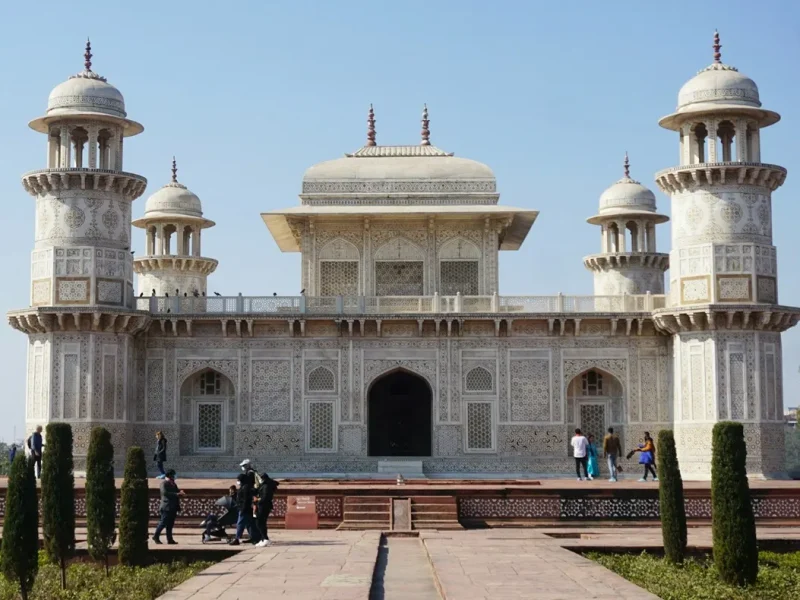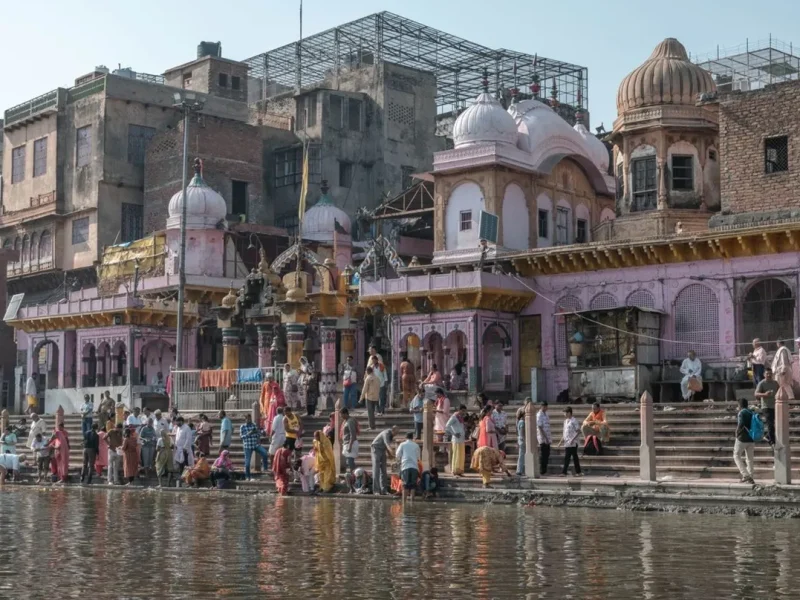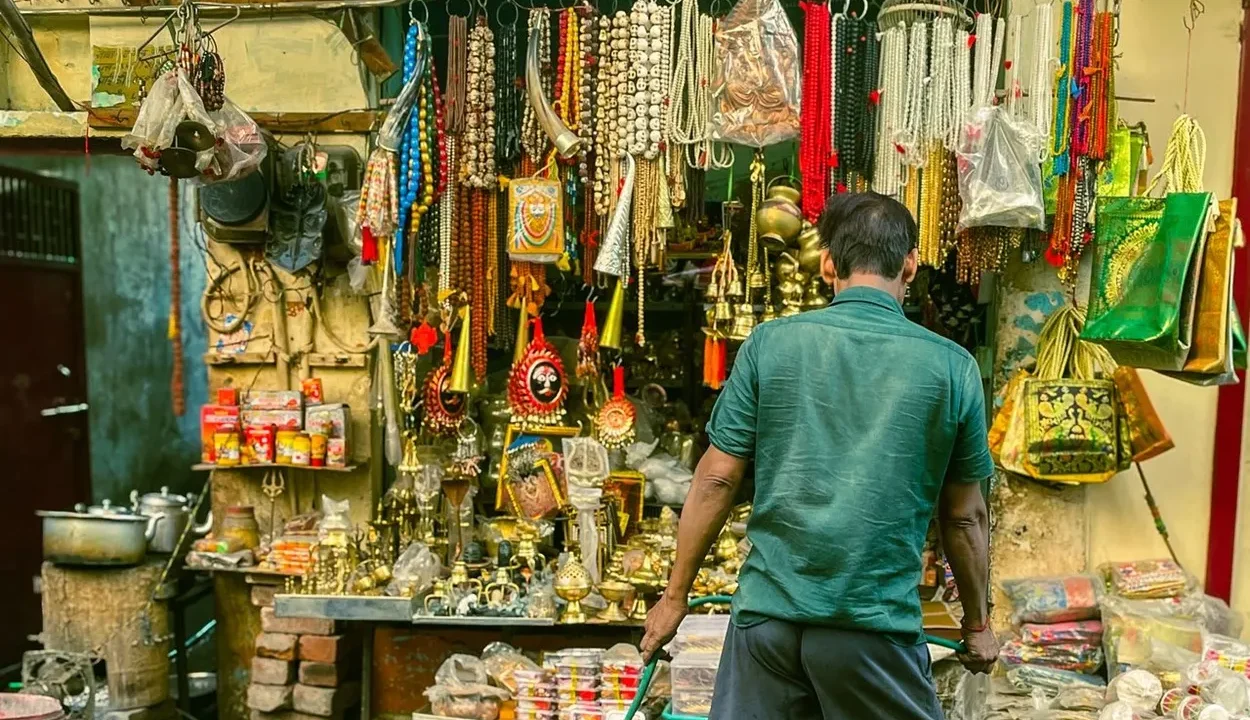
Beyond being home to world-famous Mughal monuments like the Taj Mahal and Agra Fort, Agra has been a thriving center of artisan craftsmanship since the 16th century. Under royal Mughal patronage, master craftsmen from Persia, Central Asia, and across India settled in Agra, establishing traditions of stone carving, intricate embroidery, and leatherwork that continue to flourish today.
Whether you are seeking a hand-carved marble inlay tabletop, genuine leather jackets, zardozi embroidered textiles, or world-famous local sweets, navigating Agra’s bustling bazaars can be an exhilarating highlight of your trip. This comprehensive Agra Shopping Guide: Best Markets & What to Buy provides actionable advice, market locations, price benchmarks, quality tests, and scam-prevention strategies for both Indian and international travelers.
What to Buy in Agra: 5 Authentic Handicrafts & Souvenirs
1. Marble Inlay Work (Parchin Kari)
Marble inlay work—locally known as Parchin Kari—is Agra’s signature handicraft. It is the exact same stone inlay art form used to decorate the walls of the Taj Mahal and Itmad-ud-Daulah’s Tomb. Craftsmen carve fine grooves into white Makrana marble and fit cut semi-precious stones such as lapis lazuli, jasper, malachite, mother-of-pearl, and carnelian into elaborate floral patterns.
- Popular Items: Coasters, jewelry boxes, chess sets, decorative plates, flower vases, and luxury tabletops.
- How to Spot Genuine Marble vs. Soapstone: Many street stalls sell cheap soft soapstone (gorara stone) labeled as “real marble.” Genuine Makrana marble remains cool to the touch, is translucent when exposed to a smartphone flashlight, and cannot be easily scratched with a pocket key.
2. Zardozi & Dabka Embroidery
Zardozi is an opulent form of metallic hand-embroidery that uses gold, silver, or copper wire to create heavy, three-dimensional patterns on velvet, silk, or satin fabrics. Originally crafted for Mughal royalty, local artisans in Agra produce stunning zardozi wall hangings, clutch bags, cushion covers, and traditional evening wear.
3. Leather Goods
Agra is one of Asia’s largest hubs for leather manufacturing and shoe exports. You can find high-quality genuine leather products at prices substantially lower than in North America or Europe.
- Popular Items: Handmade leather shoes, boots, jackets, travel duffel bags, belts, and wallets.
- Where to Buy: Sadar Bazar and specialized leather markets around the Hing ki Mandi wholesale area.
4. Agra Petha (Famous Local Sweet)
No trip to Agra is complete without tasting or buying Petha, a translucent candy made from ash gourd (white pumpkin) boiled in sugar syrup. According to legend, Petha was created in the royal kitchens of Emperor Shah Jahan to keep construction workers energized while building the Taj Mahal.
- Popular Flavors: Plain (Angoori Petha), Kesar (saffron), Paan, Mango, and Chocolate Petha.
- Buying Tip: Always purchase from authentic Panchhi Petha main branches (located at Sadar Bazar or Hari Parbat) to ensure quality and freshness. Be cautious of dozens of small street stalls using fake “Panchhi” signboards.
5. Brassware & Carpet Weaving
Agra’s metal crafters produce detailed brass statues, oil lamps, and decorative plates. Additionally, traditional hand-knotted Persian-style carpets made of wool or silk are produced in workshops surrounding the old city.
Top 6 Markets to Shop in Agra
1. Sadar Bazar (Best for Clean, Hassle-Free Shopping)
Located near Agra Cantt Railway Station, Sadar Bazar is the most modern, pedestrian-friendly, and popular shopping hub in the city. It offers a clean blend of traditional handicraft shops, branded shoe stores, leather boutiques, cafes, and authentic sweet shops.
If you arrive via a Delhi to Agra train or are deciding where to stay in Agra, staying near Sadar Bazar gives you easy evening access to dining and shopping. It is an ideal starting point for international visitors who prefer fixed-price or low-pressure shopping environments.
2. Kinari Bazar (Best for Textiles, Zardozi & Wholesale Shopping)
Situated behind the historic Jama Masjid in the heart of Old Agra, Kinari Bazar is a colorful maze of narrow lanes bursting with energy. It is the ultimate market for textiles, embroidered fabrics, bridal wear, spices, brassware, and traditional jewelry.
Visiting Tip: Kinari Bazar is packed with local shoppers. It is best reached by auto-rickshaw or bicycle rickshaw rather than a full-size car.
3. Subhash Bazar (Best for Silk & Sarees)
Subhash Bazar, located near the Northern Gate of Agra Fort, is renowned among local residents for purchasing silk sarees, ethnic wear, and dress materials at fair local prices.
4. Tajganj Bazaars (Best for Quick Souvenirs Near the Monument)
The streets immediately surrounding the Taj Mahal’s Eastern and Western gates form the Tajganj market area. Here, hundreds of small shops sell mini marble Taj Mahal replicas, leather knick-knacks, postcards, and small trinkets. It is a convenient place to buy quick gifts, but active bargaining is essential here.
Explore nearby attractions in our guide to places to visit in Agra near Taj Mahal.
5. Shahganj Bazar (Best for Local Footwear & Daily Goods)
Shahganj is a bustling local market off the tourist trail, offering high-value leather shoes, garments, and daily household items without inflated tourist markups.
6. UP Handloom & Government Emporiums (Best for Certified Quality)
For visitors from the USA, UK, Australia, or Europe who prefer certified quality, fixed pricing, and hassle-free international shipping, government-approved emporiums like Gangotri (UP Handlooms) along Taj Road offer authenticated marble inlay, silk carpets, and brass artwork.
How to Avoid Shopping Scams & Driver Commissions
Shopping in Agra requires awareness, as tourist-targeted commission networks are active across the city. Here is how to shop smart and avoid common traps:
1. The Auto-Rickshaw / Tour Guide Commission Trap
Many auto-rickshaw drivers, private cab drivers, and self-appointed tour guides offer to take tourists to “exclusive factory outlets” or “government heritage workshops.” In reality, these shops pay drivers a 20% to 40% commission on everything you buy, which is added directly to your purchase price.
How to avoid: Decide on markets independently (like Sadar Bazar or Kinari Bazar), use app-based cabs (Uber/Ola), or insist on being dropped off at a central street landmark rather than inside a specific shop.
2. Fake Soapstone Sold as Real Marble
Unscrupulous street vendors around tourist monuments often sell soft soapstone or alabaster carvings claiming they are “pure Makrana marble.” Soapstone is fragile, porous, and easily scratched with a nail or key.
How to avoid: Always perform the light test with your phone flashlight or buy high-value marble items from established shops that issue proper tax receipts and certificates of authenticity.
3. Bargaining Rules for Street Markets
- At street stalls in Tajganj or Kinari Bazar, vendors often start with inflated prices for tourists. Start negotiating at roughly 40%–50% of the initial quote.
- Maintain a friendly, respectful attitude while bargaining.
- At fixed-price stores, government emporiums, or branded boutiques in Sadar Bazar, prices are non-negotiable.
Practical Advice for International Travelers
1. Payment Methods & Currency
Major stores in Sadar Bazar and government emporiums accept international Visa and Mastercard credit cards. However, smaller market stalls in Kinari Bazar and Tajganj deal almost exclusively in cash (Indian Rupees – INR). Carry small denominations (₹100, ₹200, ₹500 notes) for street shopping and rickshaw fares.
2. International Shipping & Customs
If you purchase heavy items like marble tabletops or carpets, reputable emporiums can organize insured door-to-door international shipping through reliable carriers like DHL or FedEx. Ensure the store provides a clear written invoice containing tax codes, shipping tracking numbers, and insurance coverage details.
3. Combining Shopping with Sightseeing
Shopping fits naturally into broader travel schedules. If you are taking a Delhi to Agra road trip or exploring central sights like Agra Fort and Mehtab Bagh, dedicate late afternoons (after 5:00 PM) to market walks when temperatures cool down and bazaars come alive.
Fitting Shopping into Your Agra Itinerary
Explore these practical ways to weave shopping into your overall itinerary:
- Agra 1-Day Plan: Finish sightseeing at the Taj Mahal and Agra Fort, then spend 1.5 hours in the evening browsing Sadar Bazar before heading back. Check our Agra 1-day itinerary.
- Agra 2-Day Plan: Reserve Day 1 evening for casual browsing at Sadar Bazar and tasting local street food (see our Agra food guide). On Day 2, explore Old Agra’s Kinari Bazar after visiting Akbar’s Tomb at Sikandra or returning from a trip to Fatehpur Sikri. See our Agra 2-day itinerary.
To plan your overall travel budget, transport costs, and accommodation options, consult our companion guides on Agra trip costs, Agra travel tips, and our master Agra travel guide.
Frequently Asked Questions
The two most famous items to buy in Agra are Marble Inlay handicrafts (Parchin Kari, made from Makrana marble) and Agra Petha (a sweet made from ash gourd). Leather shoes and Zardozi textiles are also popular.
Yes. While the Taj Mahal is closed to visitors every Friday, most major shopping markets in Agra—including Sadar Bazar and Kinari Bazar—remain open on Fridays.
Buy Petha from official, main branches of Panchhi Petha (such as the main outlet at Sadar Bazar or Hari Parbat). Avoid unbranded roadside stalls that use similar logo designs.
Yes. Major established emporiums and certified marble workshops provide insured door-to-door international courier services via DHL, FedEx, or specialized freight forwarders.
Yes. Many travelers shop after returning from regional excursions like day trips from Agra, trips from Agra to Mathura and Vrindavan, or routes along Agra to Bharatpur and places to visit near Agra.