Agra, situated along the banks of the Yamuna River in Uttar Pradesh, is home to three UNESCO World Heritage Sites and stands as one of India’s most celebrated historic destinations. As a prime anchor of the world-famous Golden Triangle tourist circuit (alongside Delhi and Jaipur), Agra draws millions of domestic and international visitors each year. Whether you are visiting from within India or traveling from abroad, our comprehensive Agra Travel Guide: Complete Guide to Planning Your Trip provides everything you need to build a seamless, stress-free itinerary.
This master guide covers trip logistics, high-speed rail and highway routes from Delhi, monument entry rules, hotel neighborhood reviews, local Mughlai dining, shopping markets, budget estimations, and essential safety advisories.
Getting to Agra: Rail vs. Road Transit
Reaching Agra from Delhi is fast and convenient due to world-class modern transit corridors. Depending on your preferences, budget, and travel style, you can choose between high-speed rail or highway expressways:
- By Express Train: Semi-high-speed trains like the Gatimaan Express and Vande Bharat Express cover the distance from Delhi to Agra Cantt (AGC) in just 1 hour and 40 minutes. Learn more in our detailed Delhi to Agra train guide.
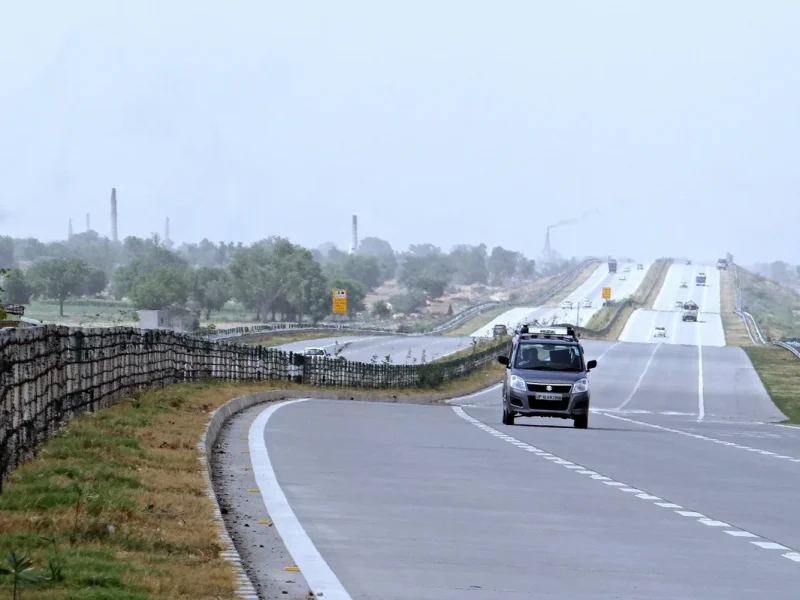
- By Road & Self-Drive: Taking a private taxi or rental vehicle via the 6-lane Yamuna Expressway takes approximately 3 to 3.5 hours. Review route options, toll rates, and pitstops in our Delhi to Agra road trip guide.
- Transit Route Overview: For a step-by-step breakdown comparing all travel modes, consult our master resource on how to reach Agra from Delhi.
Iconic Monuments & Sightseeing Attractions
Agra’s historical landscape offers far more than just a single monument. To get the most out of your visit, plan to explore the city’s rich collection of architectural landmarks:
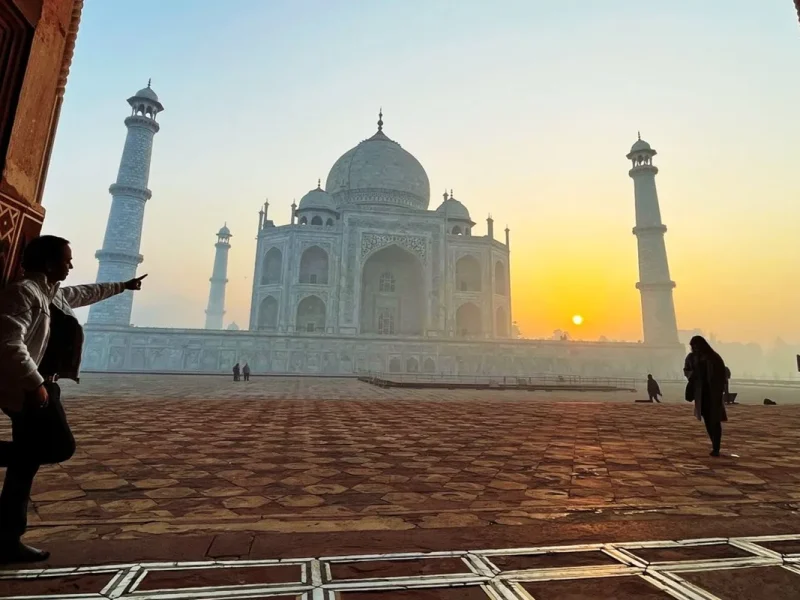
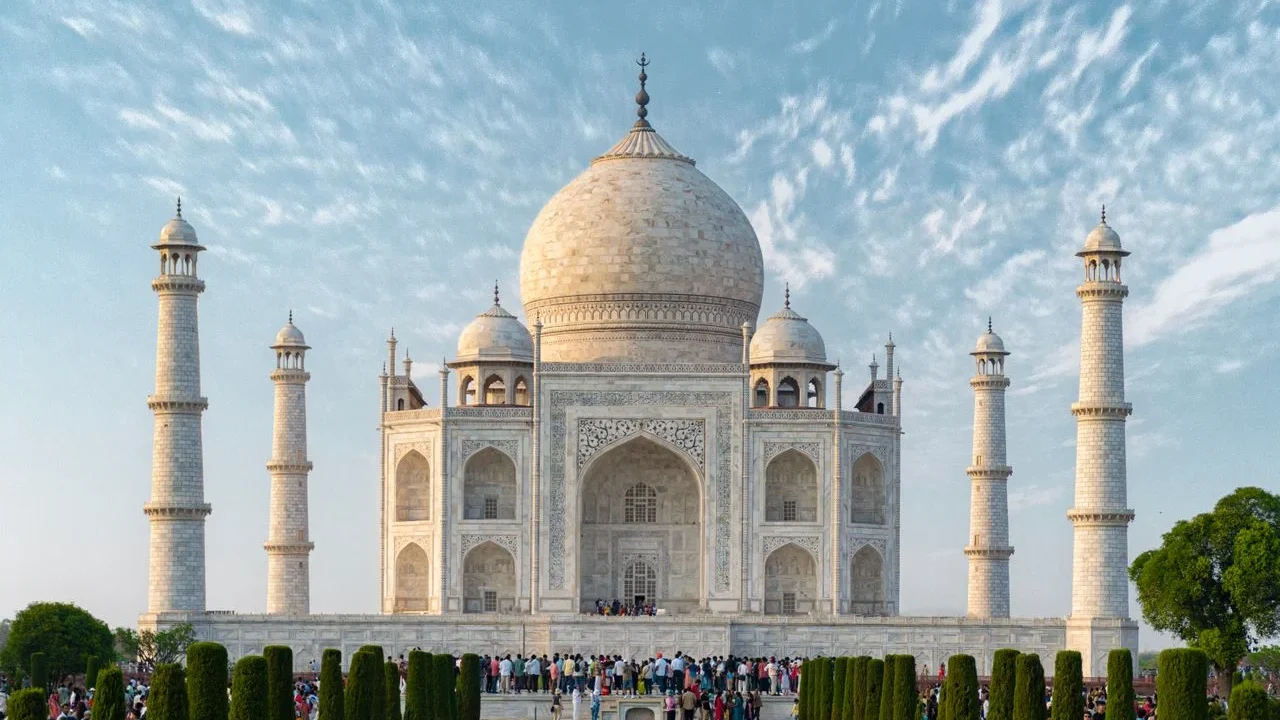
- The Taj Mahal: Shah Jahan’s white marble masterpiece built for Mumtaz Mahal. Sunrise is the best time to visit for minimal crowds and incredible light. Plan ahead with our dedicated Taj Mahal guide.
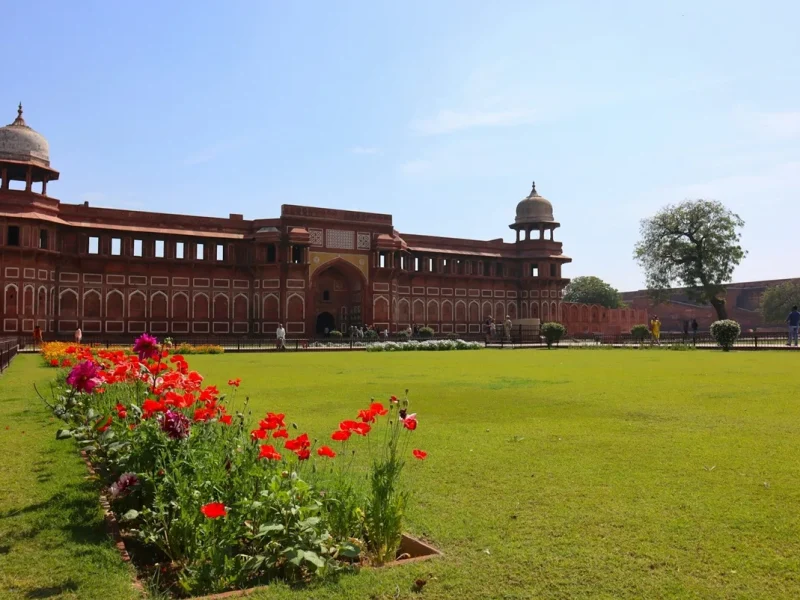
- Agra Fort: A massive red sandstone fortress that served as the primary seat of the Mughal Dynasty. Read our full Agra Fort guide for key historical context.
- Itmad-ud-Daulah (Baby Taj): The delicate tomb of Mirza Ghiyas Beg, known for its intricate marble inlay work. Discover visiting hours in our Itmad-ud-Daulah guide.
- Mehtab Bagh: A scenic charbagh garden complex across the river, offering spectacular sunset views of the Taj Mahal. Plan your visit using our Mehtab Bagh guide.
- Akbar’s Tomb, Sikandra: Located on the outskirts of Agra, this peaceful garden tomb showcases unique red sandstone and marble architecture. Check our Akbar’s Tomb Sikandra guide.
- Fatehpur Sikri: Emperor Akbar’s perfectly preserved 16th-century ghost city, located 40 km west of Agra. Explore the site with our Fatehpur Sikri guide.
For additional architectural sites, review our general roundups on places to visit in Agra and places to visit in Agra near Taj Mahal.
Trip Planning & Multi-Day Itineraries
Structuring your time effectively is key to enjoying Agra without feeling rushed. Choose an itinerary length based on your schedule:
- 1-Day Same Day Trip: Ideal for travelers short on time. Covers sunrise at the Taj Mahal, mid-morning at Agra Fort, lunch, and a quick afternoon stop at Itmad-ud-Daulah before returning. Follow our Agra 1-day itinerary.
- 2-Day Overnight Trip (Recommended): Allows a relaxed pace to experience sunrise at the Taj Mahal, sunset at Mehtab Bagh, an afternoon excursion to Fatehpur Sikri, and evening heritage walks. Follow our Agra 2-day itinerary.
- Best Seasons to Visit: October through March offers pleasant, cool weather for sightseeing. Review seasonal weather patterns, fog warnings, and festival dates in our guide on the best time to visit Agra.
Where to Stay: Best Neighborhoods & Hotels
Choosing the right hotel location makes navigating Agra much easier. The city offers two primary accommodation districts:
- Taj Ganj (Near Eastern & Western Gates): Perfect for early risers who want to walk directly to the Taj Mahal at sunrise. Options range from budget backpacker hostels to mid-range boutique hotels.
- Fatehabad Road & Cantonment: Home to luxury 5-star resorts (including the Oberoi Amarvilas, ITC Mughal, and Taj Hotel), upscale dining, quiet streets, and high-end amenities.
For specific property recommendations across all budgets, check our guide on where to stay in Agra.
Food, Dining & Local Souvenir Bazaars
Agra’s local culture is deeply tied to its imperial culinary heritage and traditional craftsmanship:
- Local Culinary Delights: Sample iconic local specialties like Mughlai mutton biryani, creamy chicken korma, Bedai and Jalebi breakfasts, and Agra’s famous sweet snack, Petha (made from ash gourd). Read our recommendations in the Agra food guide.
- Shopping & Artisans: Agra is famous for Pietra Dura (marble inlay craftsmanship passed down from Mughal artisans), leather goods, brassware, Zardozi embroidery, and traditional carpets. Learn how to negotiate and find authentic markets using our Agra shopping guide.
- Experiential Tours: Beyond monuments, try guided street-food walks, heritage bazaars, and boat rides on the Yamuna. See our full list of things to do in Agra.
Agra Trip Budget & Estimated Costs
Understanding entry fees, transport prices, and meal costs helps you plan a realistic travel budget:
| Traveler Category | Accommodation (Per Night) | Food & Meals (Daily) | Monument Entry Fees | Estimated Daily Total |
|---|---|---|---|---|
| Budget Backpacker | ₹600 – ₹1,500 ($8 – $18 USD) | ₹500 – ₹800 ($6 – $10 USD) | ₹1,100 – ₹1,500 ($13 – $18 USD) | ₹2,500 – ₹4,000 ($30 – $48 USD) |
| Mid-Range Traveler | ₹3,500 – ₹8,000 ($42 – $96 USD) | ₹1,500 – ₹3,000 ($18 – $36 USD) | ₹1,500 – ₹2,500 ($18 – $30 USD) | ₹6,500 – ₹13,500 ($78 – $162 USD) |
| Luxury Traveler | ₹18,000 – ₹45,000+ ($216 – $540+ USD) | ₹4,000 – ₹8,000 ($48 – $96 USD) | ₹2,500 – ₹3,500 ($30 – $42 USD) | ₹25,000 – ₹60,000+ ($300 – $720+ USD) |
For a detailed breakdown of monument ticket prices for foreign vs. domestic visitors, transit fares, and guide rates, refer to our Agra trip cost guide.
Regional Day Trips & Nearby Destinations
If you have extra time in Agra, consider exploring surrounding historical and nature destinations:
- Mathura & Vrindavan: Explore these sacred twin towns along the Yamuna River, celebrated as the birthplace and childhood home of Lord Krishna. Plan your visit with our guide on Agra to Mathura & Vrindavan.
- Keoladeo National Park, Bharatpur: A world-famous UNESCO bird sanctuary ideal for rickshaw safaris and spotting migratory birds. See our excursion guide on Agra to Bharatpur.
- Nearby Attractions: For additional regional itineraries, check our guides on places to visit near Agra and day trips from Agra.
Essential Tourist Tips & Cultural Guidelines
- Friday Closure Warning: The Taj Mahal is closed to general visitors every Friday. Plan your trip schedule carefully to avoid arriving on a Friday.
- Monument Security: Large backpacks, electronic devices (except smartphones/cameras), tripods, food items, lighters, and tobacco are strictly prohibited inside the Taj Mahal complex. Free/paid cloakrooms are available at ticket booths.
- Dress Code & Etiquette: Wear modest clothing covering shoulders and knees out of respect for active religious sites. Comfortable walking shoes are essential for exploring large stone complexes.
- Safety & Touts: Politely decline unsolicited offers from persistent street vendors or unofficial guides. Always use pre-paid taxi desks or rideshare apps (Uber/Ola) to avoid price disputes. Review our full list of safety advice in Agra travel tips.
Frequently Asked Questions
Yes, a 1-day trip from Delhi is sufficient to see the top two highlights: the Taj Mahal and Agra Fort. However, staying overnight (2 days) allows you to experience sunrise at the Taj Mahal, visit Fatehpur Sikri, and explore at a much more relaxed pace.
The standard ticket price for foreign tourists is ₹1,100 (plus ₹200 optional fee to step onto the main mausoleum structure). For domestic Indian citizens, the standard entry ticket is ₹50 (plus ₹200 for the main mausoleum).
The best time to visit Agra is during the winter months from October to March, when temperatures are comfortable for outdoor sightseeing (ranging between 10°C and 25°C).
Agra is generally safe for international travelers. However, standard safety precautions apply: avoid unlit streets late at night, use trusted rideshare apps (Uber/Ola), book hotels in established areas like Fatehabad Road or Taj Ganj, and dress modestly.