Combining the Mughal splendor of Agra with the sacred heritage of Mathura and Vrindavan is one of Northern India’s most rewarding travel experiences. Located just north of Agra along the banks of the Yamuna River, the dual holy cities of Mathura (the birthplace of Lord Krishna) and Vrindavan (where Krishna spent his early youth) make for an effortless day trip or a convenient transfer point en route to Delhi.
Whether you are an Indian pilgrim, a road tripper, or an international tourist visiting from the USA, UK, Europe, or Australia, this complete Agra to Mathura & Vrindavan: Distance, Transport & Travel Guide breaks down every transit option, estimated cost, temple timing strategy, and insider tip you need to plan a smooth journey.
Distance & Travel Time Matrix
Understanding the exact mileage between these destinations helps you choose the right transport mode and calculate journey times:
| Route Segment | Approx. Distance | Driving Time (Car/Taxi) | Public Transit Time |
|---|---|---|---|
| Agra City Center to Mathura | 50 – 55 km (31–34 miles) | 50 min – 1 hr 15 min | 45 min – 1 hr (Train to Mathura Jn) |
| Agra City Center to Vrindavan | 65 – 75 km (40–46 miles) | 1 hr 20 min – 1 hr 45 min | 2 hrs – 2.5 hrs (Train/Bus + Auto-Rickshaw) |
| Mathura to Vrindavan (Between Cities) | 10 – 12 km (6–7 miles) | 20 – 30 min | 15 – 25 min (E-Rickshaw / Auto) |
How to Travel from Agra to Mathura & Vrindavan
1. By Private Taxi or Rental Car (Most Convenient)
Hiring a private cab is the most hassle-free option for families, small groups, and international visitors who want to cover both Mathura and Vrindavan in a single day without waiting for public transport schedules.
- Best Route: Highway **NH-19** (formerly NH-2) offers a direct, smooth connection straight into Mathura. Alternatively, you can take the **Yamuna Expressway** and use the Mathura/Vrindavan interchange exit.
- Estimated Taxi Fares:
- Sedan (Dzire/Etios): ₹1,800 – ₹2,500 ($22 – $30 USD) for a 1-way drop; ₹2,800 – ₹3,500 ($34 – $42 USD) for a full-day round trip.
- SUV (Ertiga/Innova): ₹2,800 – ₹4,500 ($34 – $54 USD) for a round trip.
If you enjoy self-driving or continuous road journeys, read our guide on taking a Delhi to Agra road trip for insights on toll charges and expressway conditions.
2. By Train (Fastest Budget Option)
Taking a train from Agra to Mathura Junction (MTJ) is extremely affordable and avoids road traffic. Dozens of express and passenger trains run daily between Agra Cantt (AGC) or Agra Fort (AF) stations and Mathura Junction (MTJ).
- Train Travel Time: 35 to 55 minutes.
- Ticket Fare: ₹60 – ₹150 ($0.70 – $1.80 USD) for Unreserved/General class; ₹200 – ₹500 ($2.40 – $6.00 USD) for AC Chair Car or Express classes.
- Connecting to Vrindavan: There are no major direct express train routes right into Vrindavan’s main temple zones. Once you alight at Mathura Junction, hire an auto-rickshaw or electric rickshaw (E-rickshaw) to reach Vrindavan (12 km away, costing ₹150–₹250 for a private ride or ₹30 per head for a shared ride).
For additional details on Indian Railways booking and tourist quotas, check our guide on the Delhi to Agra train network.
3. By Intercity Bus
Government roadways buses (UPSRTC) and private operators run continuous services between Agra and Mathura/Vrindavan.
- Boarding Point in Agra: Idgah Bus Stand or Bhagwan Talkies crossing.
- Drop-off Point: Mathura New Bus Stand or Vrindavan Chhatikara exit along NH-19.
- Bus Fare: ₹90 – ₹200 ($1.10 – $2.40 USD) per seat. Travel time is approximately 1.5 to 2 hours depending on city traffic.
Recommended 1-Day Excursion Itinerary & Temple Timings
The single most important factor when traveling from Agra to Mathura and Vrindavan is temple afternoon closure times. Almost all major temples close their doors between 12:00 PM / 12:30 PM and 4:00 PM / 4:30 PM. Structure your day carefully to avoid locked gates:
Morning Slot: Mathura Highlights (8:00 AM – 12:00 PM)
- 08:00 AM: Depart Agra early via NH-19.
- 09:15 AM: Visit Shri Krishna Janmabhoomi Temple Complex in Mathura (the birth site of Lord Krishna). Expect strict security screenings.
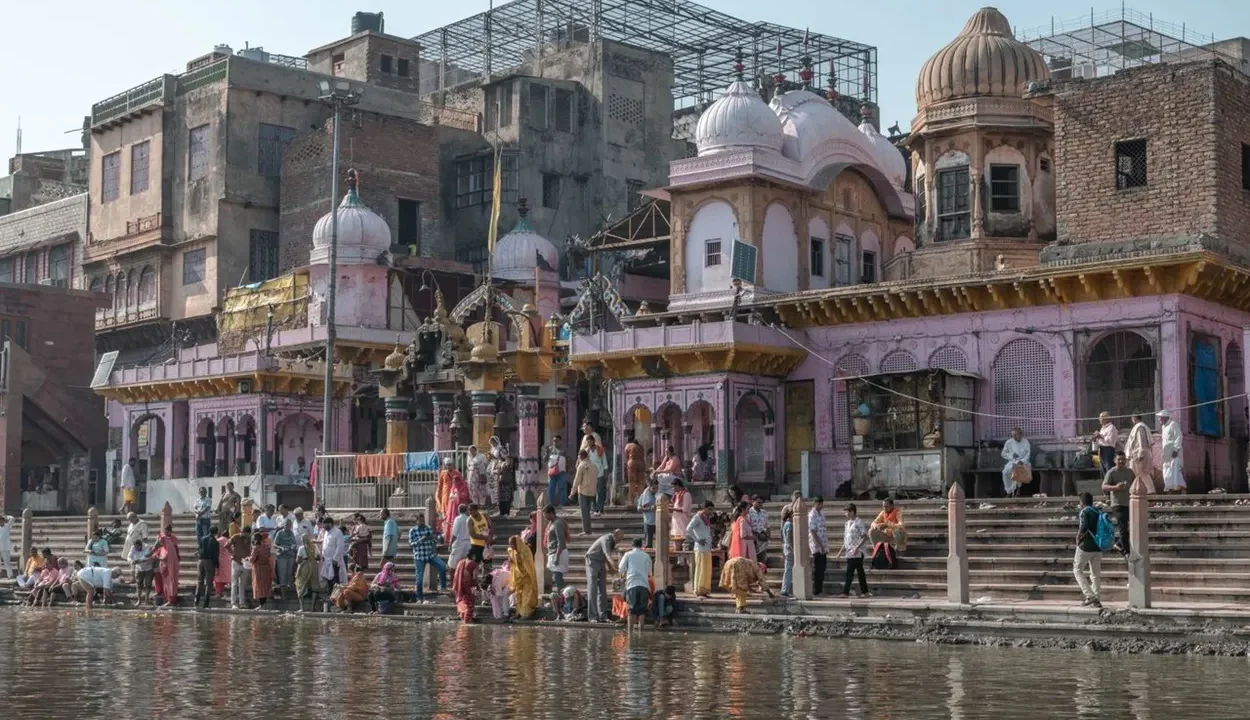
- 11:00 AM: Stroll through the historic Dwarkadhish Temple near Vishram Ghat along the banks of the Yamuna River.
Midday Lunch Break (12:30 PM – 3:30 PM)
Enjoy a traditional pure-vegetarian North Indian lunch or sample authentic local delicacies like crisp Kachoris, Bedai, and rich Mathura Peda. Use this afternoon gap to drive the short 30-minute distance from Mathura to Vrindavan while temples are closed.
Late Afternoon & Evening: Vrindavan Highlights (4:00 PM – 8:00 PM)
- 04:00 PM: Visit Banke Bihari Temple in Vrindavan as doors reopen. Experience the vibrant devotional energy.
- 05:30 PM: Explore the serene, marble-carved ISKCON Temple (Krishna Balaram Mandir).
- 06:40 PM: End your tour at the breathtaking Prem Mandir to see its grand musical fountain and glowing LED illumination after sunset.
- 08:00 PM: Return to Agra or continue your highway drive onward to Delhi.
Crucial Travel Tips for International Visitors
- Monkey Caution in Vrindavan: Vrindavan is famous for its mischievous rhesus macaque monkeys. Always remove eyeglasses, sunglasses, hats, and unzippered bags before walking down narrow temple lanes. They frequently snatch glasses to barter for food!
- Temple Dress Code: Wear modest clothing covering shoulders and knees when visiting sacred places of worship in Mathura and Vrindavan. Slip-on shoes are ideal as you must remove footwear at all temple entrances.
- Security & Electronic Restrictions: Cell phones, smartwatches, leather belts, and cameras are strictly prohibited inside the main inner sanctum of the Shri Krishna Janmabhoomi complex in Mathura. Use the official locker counters outside the temple.
- E-Rickshaws for Inner Lanes: Cars and large vehicles cannot enter the tight, historic lanes of Vrindavan. Park your cab in designated multi-level parking grounds near Prem Mandir or Chhatikara Road and rely on electric rickshaws (₹20–₹50 per ride) for internal commuting.
Exploring Beyond Mathura & Vrindavan
If you wish to expand your regional sightseeing beyond this spiritual corridor, consider exploring other scenic day trips from Agra or nearby places to visit near Agra. Nature lovers can plan an excursion from Agra to Bharatpur to see the bird sanctuary at Keoladeo National Park, or stop by the UNESCO World Heritage ghost city of Fatehpur Sikri.
Back in Agra, organize your architectural sightseeing using our detailed Taj Mahal guide, Agra Fort guide, Itmad-ud-Daulah (Baby Taj), Mehtab Bagh, and Akbar’s Tomb at Sikandra. To structure your entire stay efficiently, follow our Agra 1-day itinerary or Agra 2-day itinerary.
For practical travel planning, review our full breakdown of how to reach Agra from Delhi, estimated expenses in our Agra trip cost analysis, top neighborhood recommendations in where to stay in Agra, and general safety tips in our Agra travel tips post. Don’t forget to sample regional treats with our Agra food guide, explore markets using our Agra shopping guide, check the best time to visit Agra, browse major places to visit in Agra (including key places to visit in Agra near Taj Mahal), and see top activity picks in our things to do in Agra summary along with the master Agra travel guide hub.
Frequently Asked Questions
While technically possible if you leave Delhi by 5:00 AM, it makes for a very rushed day. The best way is to spend 1 full day exploring Agra’s monuments and a separate full day exploring Mathura and Vrindavan.
Vrindavan is only about 10 to 12 km (6–7 miles) north of Mathura. Driving between the two cities takes just 20 to 30 minutes via auto-rickshaw, cab, or private car.
Most major temples close after morning prayers around 12:00 PM or 12:30 PM and reopen in the afternoon between 4:00 PM and 4:30 PM. Plan your travel or lunch during these afternoon hours.
Photography is generally restricted or prohibited inside the main sanctums of temples like Shri Krishna Janmabhoomi and Banke Bihari. However, photo taking is allowed in the outer courtyards of complexes like ISKCON and Prem Mandir.