Everything you need to plan the perfect trip using our complete Agra travel guide, from weather breakdowns and seasonal festivals to practical advice for domestic and international travelers.
Introduction
Agra, home to the iconic Taj Mahal, Agra Fort, and Fatehpur Sikri, is one of the most visited destinations in the world. However, your experience in this historic city can vary drastically depending on when you choose to go. From sweltering summer heat waves to dense winter morning fog, timing is everything.
Choosing the best time to visit Agra depends on what you prioritize: pleasant weather, fewer crowds, budget-friendly prices, or cultural festivals. Beyond picking the right month, managing your total Agra trip cost effectively comes down to how well you plan ahead. This guide covers every season in detail, offering practical, actionable advice for both Indian tourists and international travelers from the US, UK, Australia, and beyond.
Quick Summary: When is the Best Time to Visit Agra?
- Peak Season (October to March): The absolute best weather, with daytime temperatures ranging between 10°C and 25°C (50°F–77°F). Ideal for sightseeing, though tourist crowds and hotel rates peak.
- Shoulder Season (July to September): The monsoon season brings high humidity and occasional heavy rain, but fewer tourists, lush greenery, and good hotel discounts.
- Off-Peak Season (April to June): Extreme summer heat exceeding 40°C–45°C (104°F–113°F). Recommended only for extreme budget travelers willing to sightsee at dawn.
Detailed Seasonal Breakdown
1. Winter in Agra (October to March) — Peak Season
Winter is universally considered the overall best time to visit Agra. The sweltering heat subsides, leaving cool breezes and clear skies—perfect for spending long hours outdoors exploring top places to visit in Agra, as well as nearby hidden gems and historical stops among places to visit in Agra near Taj Mahal.
- Temperature: Ranges from 8°C (46°F) at night to 25°C (77°F) during the day. December and January are the coldest months.
- Why Visit: Comfortable walking weather, ideal conditions for photography, and major cultural events like the Taj Mahotsav (held every February in Shilpgram). It is also the ideal season to check out top things to do in Agra without feeling exhausted by heat.
- Things to Watch Out For:
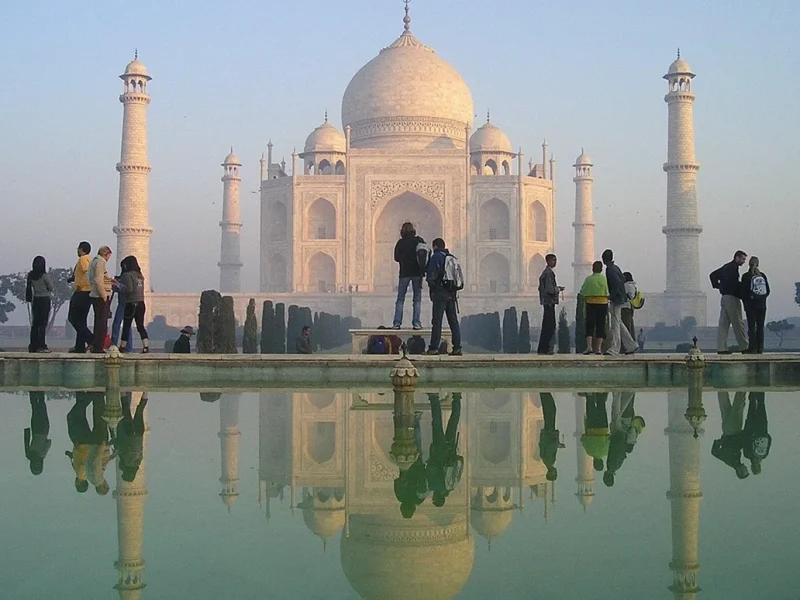
- Dense Morning Fog (Dec–Jan): Morning fog can obscure views of the Taj Mahal until late morning. If visiting during these months, plan your Taj visit for mid-morning or late afternoon rather than dawn.
- Higher Costs: Accommodations and flight prices peak during this window. Knowing where to stay in Agra and booking early is essential to secure reasonable rates.
2. Summer in Agra (April to June) — Off-Peak Season
Summers in Northern India are harsh, dry, and intense. Unless you are accustomed to high temperatures or on a strict budget, this is generally the least recommended time to visit.
- Temperature: Frequently reaches 40°C to 45°C (104°F to 113°F).
- Why Visit: Extremely cheap hotel tariffs, empty monuments, and zero waiting times at entry gates.
- Survival Tips:
- Start sightseeing at sunrise (5:30 AM – 6:00 AM) and finish by 10:00 AM.
- Stay hydrated with bottled electrolyte fluids or fresh coconut water. Avoid street food that has been exposed to the heat, though sampling indoor local spots via an Agra food guide is still a great way to escape mid-day temperature peaks.
3. Monsoon in Agra (July to September) — Shoulder Season
The monsoon brings relief from the extreme summer heat, turning the city greens vibrant and freshening the air. While humidity remains high, rain in Agra usually comes in short spells rather than continuous downpours.
- Temperature: Ranges from 25°C to 35°C (77°F to 95°F) with high humidity.
- Why Visit: Lower accommodation rates, fewer crowds, and stunning rainy reflections of the Taj Mahal in the surrounding pools and Mehtab Bagh gardens.
Agra Climate & Travel Matrix
| Month | Avg Temp (°C / °F) | Crowd Level | Travel Recommendation |
|---|---|---|---|
| October | 20°C – 34°C (68°F – 93°F) | Moderate | Great time to visit; weather is cooling down, crowds are manageable. |
| November | 12°C – 29°C (54°F – 84°F) | High | Excellent weather; highly recommended for sightseeing. |
| December – January | 7°C – 22°C (45°F – 72°F) | Peak | Pleasant weather, but expect heavy morning fog and high hotel rates. |
| February | 10°C – 26°C (50°F – 79°F) | High | Ideal month. Clear skies, Taj Mahotsav festival, and perfect temperatures. |
| March | 15°C – 32°C (59°F – 90°F) | Moderate | Good time before summer heat sets in; enjoyable evenings. |
| April – June | 25°C – 45°C (77°F – 113°F) | Very Low | Extreme heat. Budget option only; restrict visits to early morning. |
| July – September | 25°C – 35°C (77°F – 95°F) | Low–Moderate | Monsoon season; humid, but great for discounted luxury stays. |
Essential Taj Mahal Visiting Tips (Avoid Common Pitfalls)
Planning the best time to visit Agra involves more than just checking the weather forecast—it requires knowing how the monuments operate. Reviewing a few crucial Agra travel tips before setting off will save you time and hassle.
- Friday Closure: The Taj Mahal is closed every Friday for prayer services. Ensure your itinerary accounts for this.
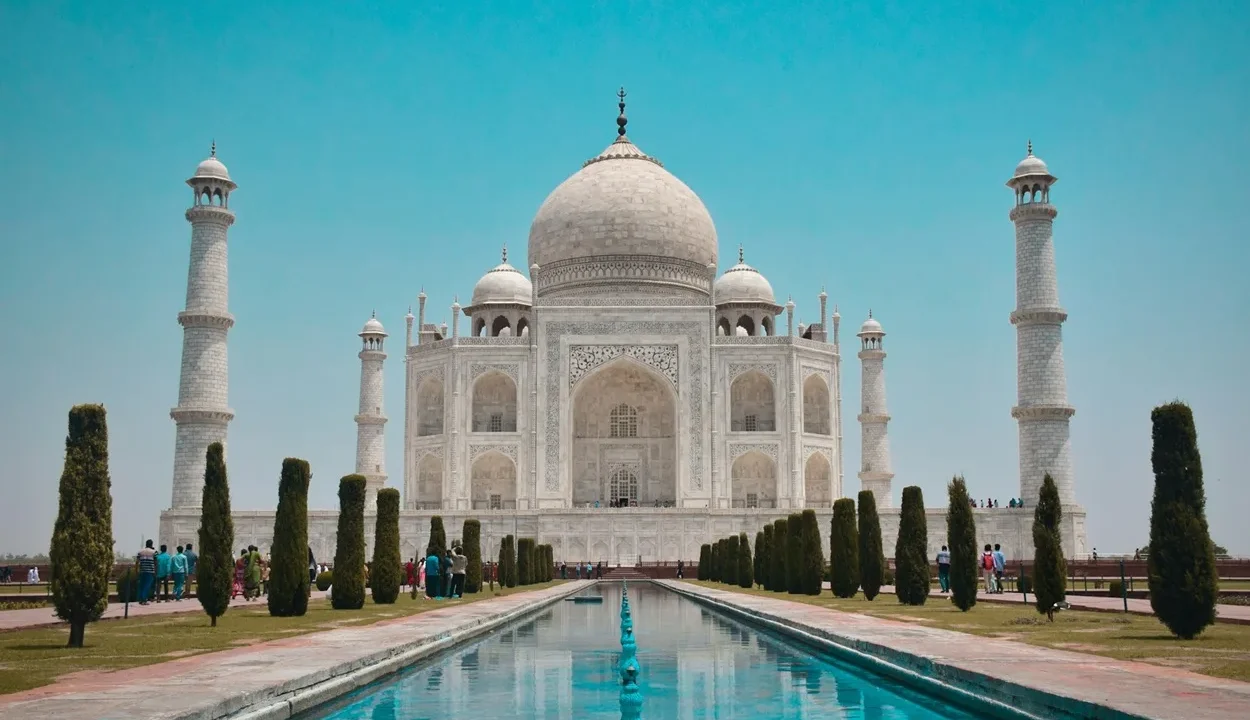
- Sunrise vs. Sunset: Sunrise is the absolute best time for clear lighting, cooler temperatures, and shorter security queues. Sunset offers magical ambient light from across the Yamuna River at Mehtab Bagh.
- Night Viewing: Full moon viewing of the Taj Mahal is permitted five nights a month (the night of the full moon, plus two nights before and after). Tickets must be booked in advance via the official Archaeological Survey of India (ASI) portal.
Practical Advice for International Travelers (USA, UK, Australia & Beyond)
1. Reaching Agra from Delhi
Agra is located approximately 200 km (124 miles) south of New Delhi, making it easily accessible via the Golden Triangle route. Knowing how to reach Agra from Delhi makes planning seamless.
- By Express Train (Recommended): Taking the Delhi to Agra train options like the Gatimaan Express or Vande Bharat Express from Hazrat Nizamuddin Railway Station to Agra Cantt takes only 1 hour and 40 minutes. They are clean, punctual, and air-conditioned.
- By Road: A Delhi to Agra road trip via the Yamuna Expressway takes about 3 to 3.5 hours by private taxi or express bus.
2. Currency, Payments & Tipping
- While credit/debit cards (Visa/Mastercard) are accepted at luxury hotels and major restaurants, carry Indian Rupees (INR) for local transport (Auto-rickshaws), exploring local markets using an Agra shopping guide, and paying minor entry fees.
- Entry tickets for foreign passport holders are higher (around ₹1,100 + ₹200 for main mausoleum), but this ticket includes a high-value queue priority and shoe covers.
3. Cultural Considerations & Safety
- Dress Code: While there is no strict dress code for the Taj Mahal, modest clothing that covers shoulders and knees is recommended out of respect for local customs, especially when visiting active religious sites like Fatehpur Sikri.
- Touts & Guides: Only hire official, ASI-approved tour guides carrying government identity badges. Avoid unverified street touts offering “fast-track” access.
Beyond the Taj Mahal: Expanding Your Agra Itinerary
To make the most of your trip, consider whether an Agra 1-day itinerary fits a quick stop, or if an Agra 2-day itinerary works better to explore nearby sights at a relaxed pace:
- Agra Fort: A massive red sandstone fortress detailed in our Agra Fort guide that served as the main residence of the Mughal Emperors until 1638.
- Fatehpur Sikri: Located 40 km from Agra, this UNESCO World Heritage Site covered in our Fatehpur Sikri guide is a perfectly preserved red sandstone ghost city built by Emperor Akbar.
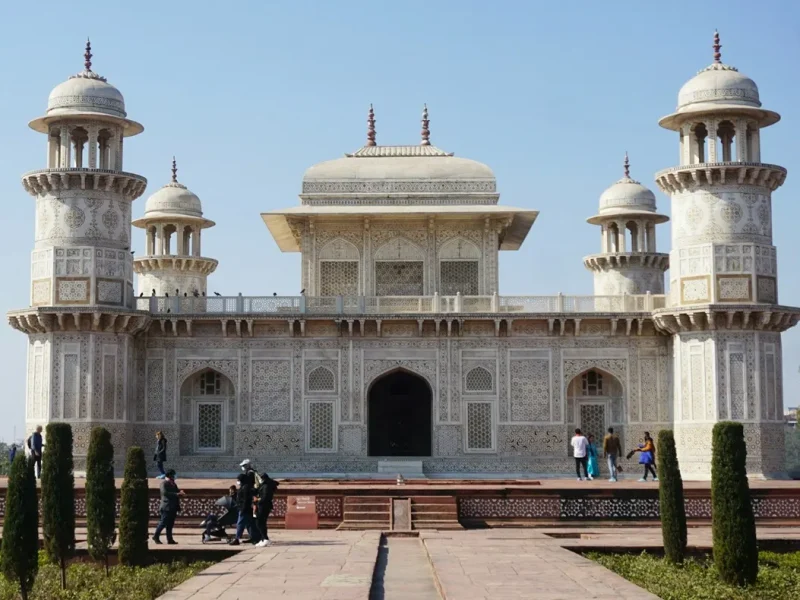
- Itmad-ud-Daulah (Baby Taj): Often considered a draft of the Taj Mahal, the Itmad-ud-Daulah tomb features intricate marble inlay work with far fewer tourist crowds.
- Akbar’s Tomb (Sikandra): Located on the outskirts of the city, Akbar’s Tomb in Sikandra is an architectural masterpiece blending Hindu, Christian, Islamic, and Jain styles.
- Sheroes Hangout: An inspiring café run by brave women who are survivors of acid attacks, located near the Taj Mahal.
If you have extra time, consider taking day trips from Agra to explore major places to visit near Agra. Popular options include spiritual journeys like traveling from Agra to Mathura & Vrindavan or wildlife excursions from Agra to Bharatpur.
Frequently Asked Questions
No, the Taj Mahal is closed to regular visitors every Friday. It is open on all other days from sunrise to sunset.
1 to 2 days are sufficient. A 2-day itinerary allows you to see the Taj Mahal at sunrise, explore Agra Fort and Fatehpur Sikri without rushing, and enjoy local food markets.
February, March, October, and November offer clear skies, comfortable sunlight, and minimal fog, making them the best months for photography.
During late December and January, avoid arriving at early dawn as fog often conceals the monument. Aim for late morning (around 10:30 AM to 11:30 AM) when the sun burns off the fog.
It is strongly recommended to book official entry tickets online beforehand via the Archaeological Survey of India (ASI) official portal to avoid long queues and potential international payment gateway glitches at the site counter.